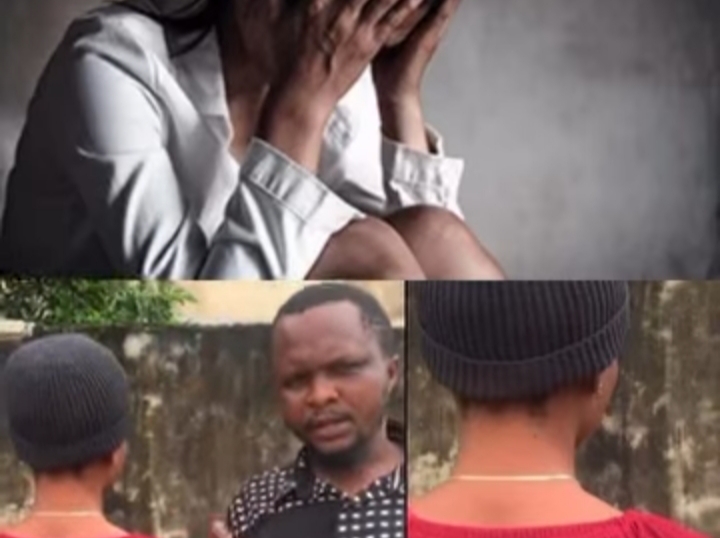

The Kogi State Police Command has arrested a 33-year-old man, Jacob Irewa, for allegedly setting his wife on fire during a fight at their home in Lokoja.
Police say the fight happened on Friday, August 14, at about 8:30 p.m. The trouble reportedly started when Irewa’s wife, Mrs Berida Irawo, burnt some of his old clothes without asking him first. She said she believed he no longer needed them.
Police say Irewa got angry, threatened his wife, took petrol from his motorcycle, and poured it on her before setting her on fire. She survived and is being treated for burns at Honey Gold Hospital in Felele.
What Police Say Happened
Operatives of the police’s B Division Surveillance Team in Felele rushed to the scene after getting a distress call and arrested Irewa on the spot. In his statement to police, Irewa admitted to setting his wife on fire. Some reports say Irewa described himself as an ordained pastor and teacher who was in Lokoja on vacation, and that he and his wife had been married for many years without children.
The Kogi Commissioner of Police, CP Naziru Bello Kankarofi, called the attack “barbaric and unacceptable” and said the command has zero tolerance for domestic violence. Police say Irewa will be charged with attempted culpable homicide (trying to kill someone) once investigations are complete.
Nigeria’s Long History of Domestic Fire Attacks
This is not an isolated case. In January 2025, a man in Anambra State poured petrol on his wife, Chioma Nwaka, and set her on fire during a fight in front of their six children. She died from her injuries the next day. Around the same time, a 47-year-old man in the Federal Capital Territory was arrested for allegedly setting his partner ablaze during a disagreement.
A survey by the CLEEN Foundation, a Nigerian non-profit that studies crime and safety, found that one in every three people surveyed said they had experienced domestic violence. In Kogi State itself, the Ministry of Women Affairs and Social Development set up a special committee in July 2025 to handle cases of gender-based violence and provide support to survivors, showing that authorities already knew this was a growing problem before this latest attack.
Why This Keeps Happening — and Who Pays the Price
Cases like this often start small — an argument over money, chores, or, as in this case, clothes — before escalating into life-threatening violence. Researchers who study gender-based violence in Nigeria point to a mix of causes: economic dependency that traps women in unsafe marriages, weak enforcement of existing protections, and communities that treat domestic disputes as private matters rather than crimes.
The effects fall hardest on the victims, who are left with severe burns, lasting trauma, and sometimes death. But the damage does not stop there. Weak enforcement of domestic violence law across Nigeria discourages other victims from reporting abuse, since they see attackers rarely face real consequences. This erodes public trust in the justice system and adds to Nigeria’s difficulty in meeting international human rights commitments, which can affect the country’s standing with foreign partners and investors who track its record on protecting citizens.
What Could Stop the Next Attack
Nigeria already has a law meant to prevent cases like this: the VAPP Act (Violence Against Persons Prohibition Act), signed in 2015. It allows courts to issue protection orders against abusers and provides penalties, including up to three years in prison, for spousal battery. But the law still has not been fully adopted in every state, and even where it has, protection orders are rarely used because many police officers and survivors do not know they exist.
Advocates say closing this gap requires more than passing laws. States need to properly fund shelters and support services for survivors, train police to use the protection orders already available to them, and run community awareness campaigns — especially in rural areas where knowledge of these rights is lowest. Kogi’s Case Management Committee is a step in that direction, but its ability to actually help survivors will depend on whether it has the staff and funding to work efficiently.
A Pattern We Cannot Keep Excusing
We at Visiotalks believe an argument over clothes should never end with a woman fighting for her life. What happened in Lokoja is shocking, but it is far from rare, and that is the most troubling part of this story. Nigeria has the law it needs to hold abusers accountable; what it lacks is the consistent will to enforce that law in every state, every police division, and every home. Until protection orders are used the way they were designed to be, and until survivors trust that reporting abuse will actually protect them, cases like this will keep repeating themselves under different names and in different towns. We hope Mrs Irawo recovers fully, and we hope her case becomes one of the ones that actually reaches court.
Published by Ejoh Caleb