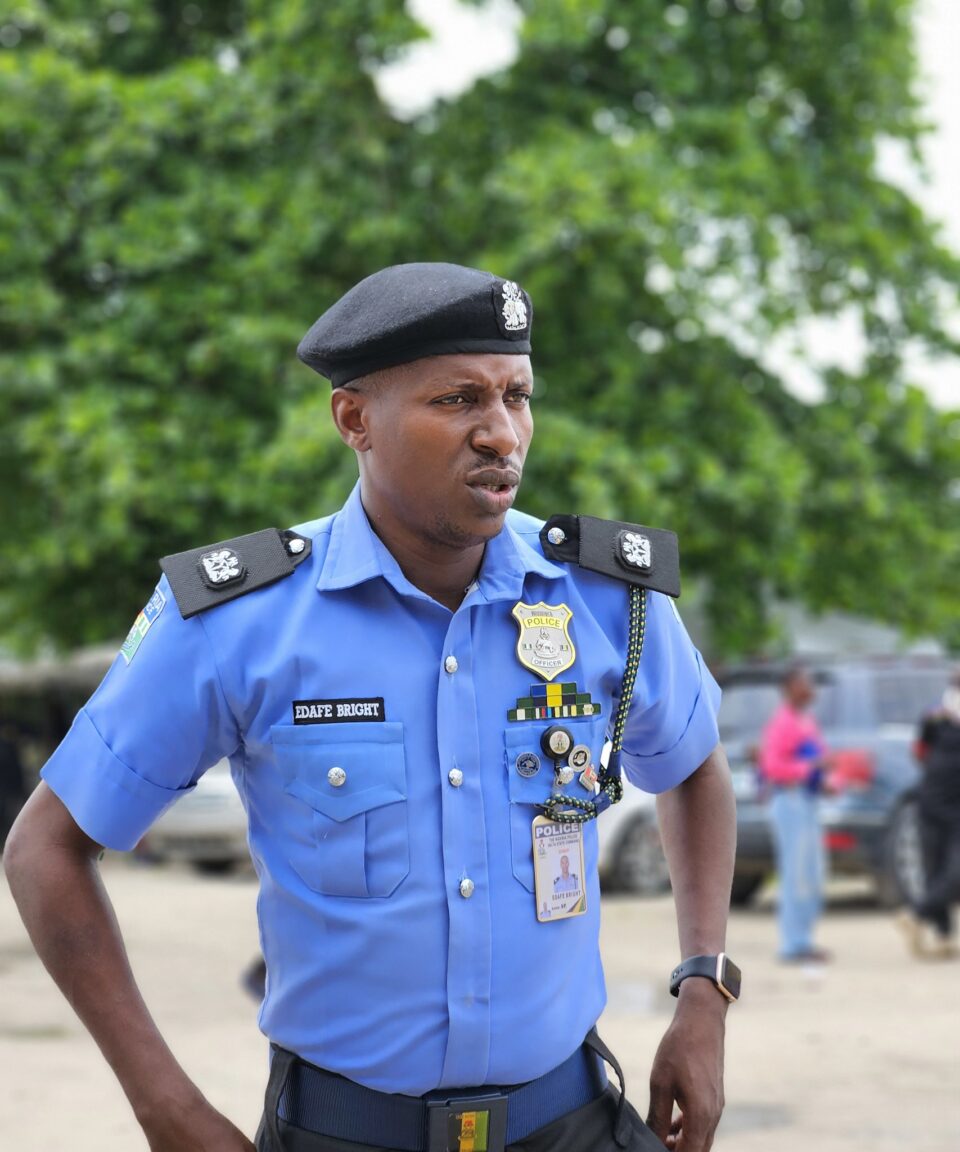

The Katsina State Police Command has arrested 14 suspects over an attack on a convoy of All Progressives Congress (APC) supporters in Malumfashi Local Government Area. The convoy was heading to Funtua for a campaign flag-off ahead of the 2027 elections. The attack happened on Wednesday, October 28, along the Yashi–Funtua road.
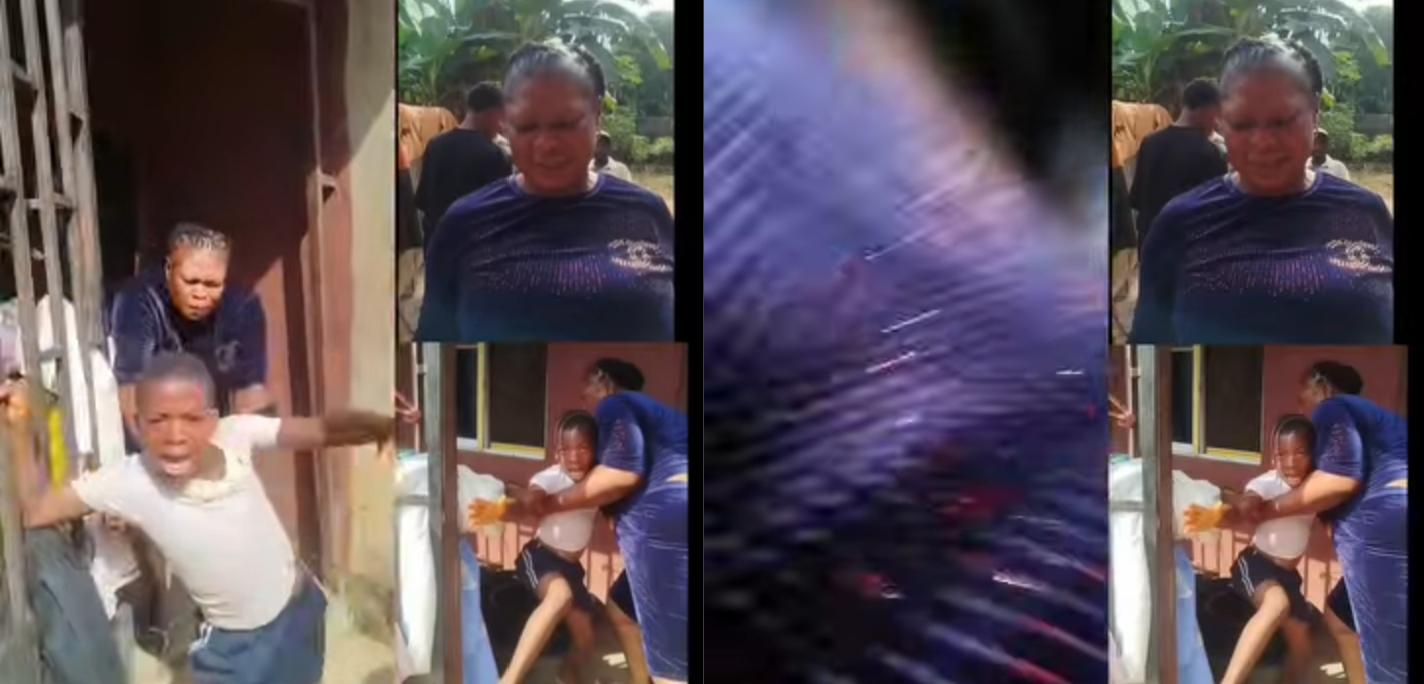
Police said the suspected attackers carried knives and stones, damaged several vehicles and injured a female motorist travelling in a commercial vehicle. Leadership newspaper reported that police on the route fired tear gas to scatter the crowd, which let travellers continue. Some vehicles in the governor’s convoy were also targeted.
Who Attacked and Why? A Question No One Has Yet Answered (Motive Means the Reason Behind an Act)
The police have arrested 14 people, but no report we found says who they are or why they acted. Leadership noted that the identities, political affiliation and motive of the attackers had not been independently established when it reported the incident.
Competing claims exist. Naija News reported that party sources linked the attack to disagreements inside the APC itself, and expressed confidence that these would be settled. Another report said the attackers chanted “Ba mu yi”, a Hausa phrase meaning “we do not agree”.
Victims told a different story. They said angry youths attacked them with stones, bottles, knives and machetes without provocation, and that phones, clothing and other items were destroyed. Katsina’s APC chairman declared the Funtua flag-off itself peaceful, according to Premium Times. These accounts can all be partly true, since the road incident and the rally venue were different places. The police investigation should settle the facts.
A Season of Clashes: Earlier Attacks on Campaign Events and Supporters
This attack comes in a month of reported violence against party events in several states. In Ebonyi, an attack on the convoy of a candidate of the Nigeria Democratic Congress left at least one person dead, according to police. In Delta, supporters of the same party reported that suspected thugs disrupted their march in Effurun, and the state government ordered an investigation.
In August, suspected thugs attacked a Peoples Democratic Party rally in Ikwuato Idembia, Ebonyi State, and also assaulted journalists. The state APC chairman denied party involvement. These cases involve different parties on different sides, which shows that the problem is not limited to one group.
Tensions Inside Katsina: Billboards, Rivalries and Heated Politics
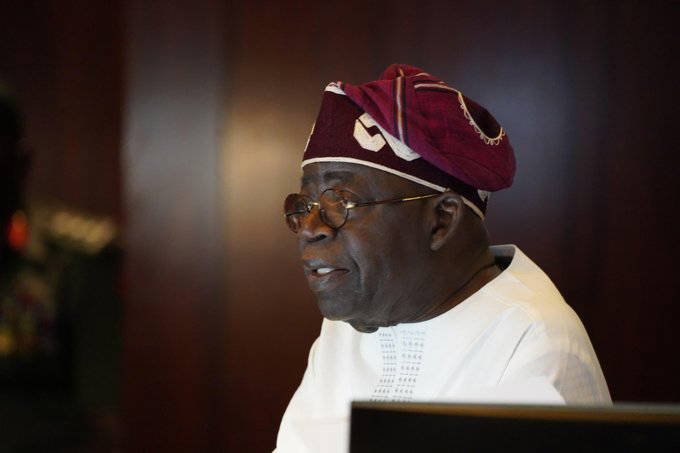
Katsina has already seen political tension this year. In September, a Katsina resident was charged with treasonable felony after he was accused of pulling down billboards of President Tinubu. He denied the claim, and lawyers questioned whether such a charge fits the act. [] That case does not explain Wednesday’s attack. But it shows that political feelings in the state run high, including within the ruling party.
What Drives Violence on the Campaign Road: Rivalry, Grievance and Hired Muscle (Political Intolerance Means Refusing to Accept Opposing Views)
Several forces can combine. Competition for party tickets and influence can leave groups feeling shut out. Anger over local issues can turn into attacks on whoever represents power. Some young people may be paid or encouraged by sponsors, and a crowd can grow bolder in a group.
Open roads add risk. A convoy is hard to protect, and a few people with stones or knives can cause panic. When violence in one state goes unpunished, others may copy it. That is why arrests matter. They show that attacks have a cost.
What Is at Stake: Safe Travel, Fair Campaigns and Confidence in the Vote
The first harm falls on victims. A motorist travelling in a commercial vehicle was hurt, and others lost property. Ordinary travellers who share the road with a political convoy are drawn into risk they did not choose.
The wider cost reaches the country. If rallies and roads become unsafe, fewer people will take part in politics, and the quality of the contest falls. Repeated attacks also weaken trust in the 2027 election and raise fears of retaliation. Foreign partners and investors who watch Nigeria’s election season will also notice.
Turning Arrests Into Justice: Open Findings, Fair Trials and Cooling the Rivalry
The police should publish who the 14 suspects are, what each is accused of, and when they will appear in court. They should also say whether any sponsor or organiser is being sought. The suspects have the right to a fair hearing, and the court should decide on evidence.
Party leaders must also act. The APC and other parties should tell their supporters in public to avoid violence. If the dispute is internal, as some party sources claim, then leaders should resolve it by dialogue. Peace pledges, joint security briefings before each rally and clear convoy routes can all reduce risk.
No Cause Justifies a Stone Thrown at a Traveller: Our Reading of a Dangerous Trend
We commend the police for acting quickly and for arresting suspects. We also note that arrests are the start of justice and not the end of it.
We do not know why this attack happened, and we do not assign blame to any party or group. The claims are conflicting, and only a proper investigation can sort them out. If the attackers were hired, those who paid them must be found. If the cause was a quarrel within a party, then its leaders must repair it.
What we ask is plain. Every party should be able to travel to its rallies in safety, and every ordinary traveller should reach home unharmed. Our democracy depends on that basic rule.
Published by Ejoh Caleb