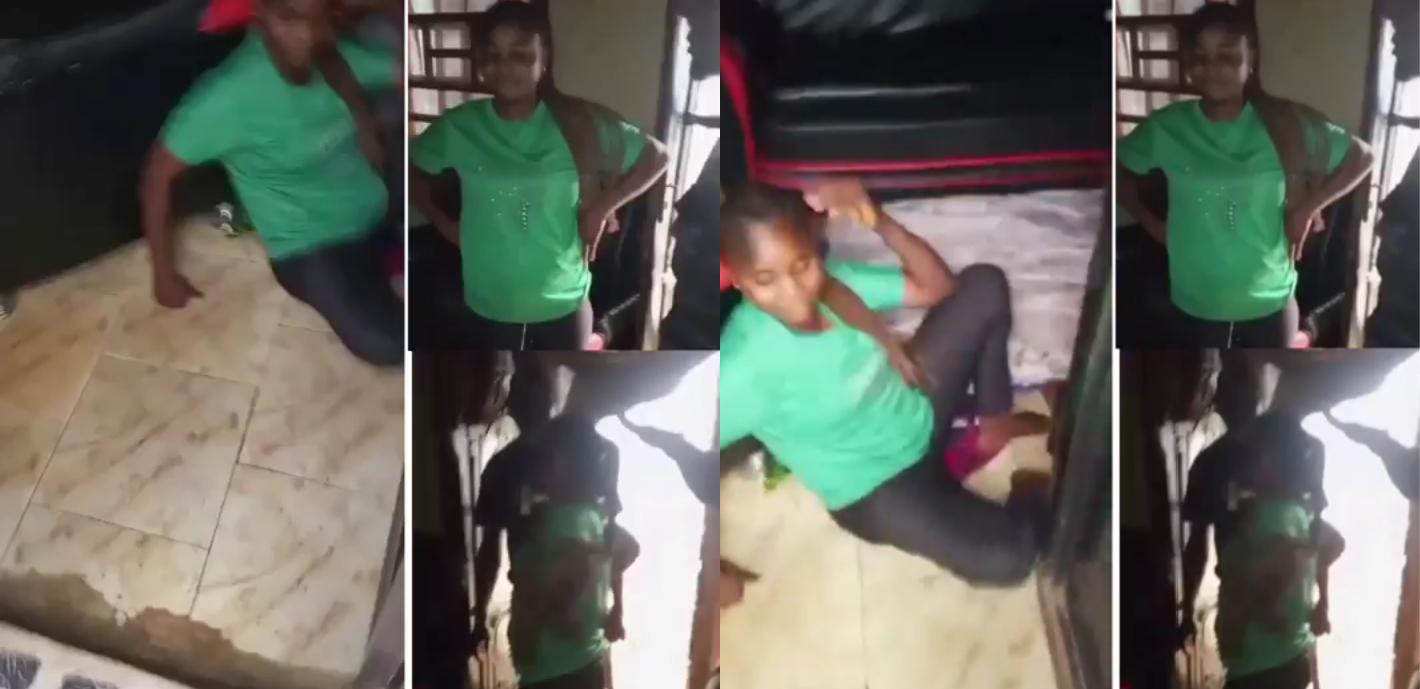
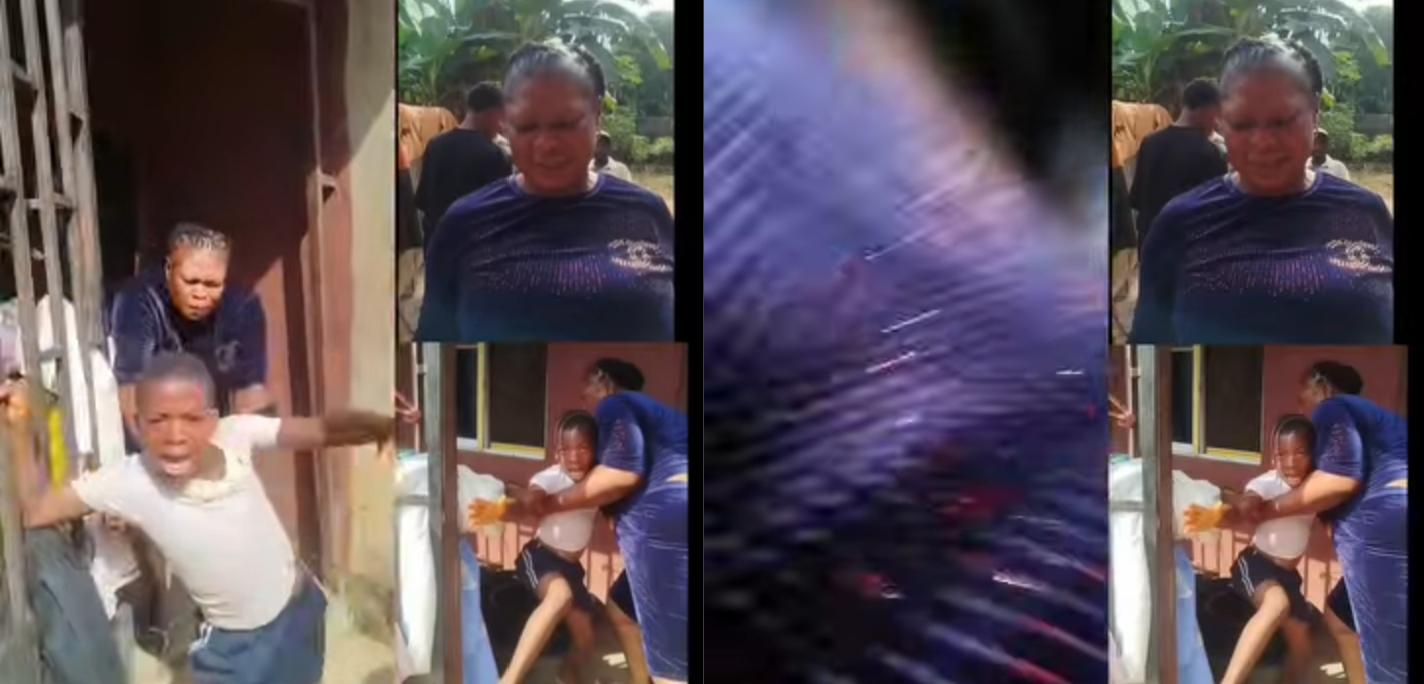
A man has reportedly rescued a 10-year-old girl who was being beaten by the aunt she lived with in Ogidi, Anambra State. He said he had heard the child’s cries for a long time before deciding to step in.
What Is Alleged and What Still Needs Checking (Allegation Means a Claim Not Yet Proven)
The rescuer’s account is the main source. It says the child was beaten and that the neighbour heard her cry over time. It is a serious claim, but it has not been tested by officials. The aunt has the right to be heard, and the girl needs a medical check and a careful interview by trained people.
The video also raises a care issue. Filming a child in distress can protect her by providing evidence, but sharing it widely can harm her. Her face, name and home should be kept private, because a viral clip can follow a child for years. Readers should wait for official information before judging anyone.
Not an Isolated Case: Earlier Child Abuse Cases in Anambra
Anambra has dealt with similar cases. Earlier this year, a 10-year-old boy in Awada, Onitsha, was reportedly severely beaten by his guardians. State officials removed him from the home, and the guardians were arrested. The state First Lady, Nonye Soludo, said he was recovering and urged residents to break the culture of silence that lets abusers operate behind closed doors.
In an earlier case, an 11-year-old house helper, Happiness Nwafor, was rescued after she was allegedly brutalised by her employer in Onitsha. She was first taken to a hospital in Ogidi, and the state’s Women and Social Welfare Commissioner stepped in. A relative said the woman boasted that nothing would happen to her because she was a lawyer. These cases suggest that rescue often depends on a viral video or a brave bystander.
Behind the Closed Door: Why Abuse of Children Often Happens at Home (Harsh Discipline Means Using Violence to Teach or Punish)
Most violence against children comes from people they know. The 2014 national survey found that six in ten Nigerian children suffer physical, sexual or emotional violence before age 18, and half experience physical violence. It also found that the violence often happens in the home.
UNICEF says social norms play a part. Violent discipline, violence against women and some community beliefs raise children’s risk. A girl who lives with a relative instead of her parents may also be easier to hide. Some children are sent to relatives for schooling or work, and if the arrangement goes wrong, there may be no one to check on them.
The Cost of Silence: Hurt Children, Lost Futures and a Weaker Nation
A beaten child can suffer physical injury and long-term fear. She may struggle in school, trust fewer people and carry the harm into adulthood. UNICEF notes that fewer than five per cent of child victims of violence receive any help.
The harm reaches the whole country. UNICEF’s child protection chief said in July that official national data still show six in ten Nigerian children face some form of abuse. A nation with so many hurt children pays later through weaker health, lower learning and more violence in the next generation. The Federal Government has itself called the figures alarming.
When a Neighbour Steps In: The Benefits and Limits of Bystander Action (A Bystander Is a Person Who Sees a Problem but Is Not Directly Involved)
The neighbour’s choice deserves credit. Children often have no one to speak for them, and a bystander who acts can save a life. The man’s account also shows how long some children suffer before anyone acts.
There are limits to consider. Entering a home or removing a child without authority can lead to conflict, and a heated confrontation can put the child at more risk. A better path is to ensure the child is safe, call the police or the state welfare ministry at once, and let trained officers handle the case. Neighbours should avoid beating or humiliating the suspect, as that creates a second wrong.
Safer Childhoods: Quick Reporting, Welfare Checks and Support for Carers
Communities need a simple, trusted way to report suspected abuse. States can publish hotline numbers and make sure social welfare officers respond fast. Hospitals, schools and churches can train staff to spot signs of abuse and refer cases.
Families also need support. Relatives who take in a child may be under financial stress, and some may lack skills for calm discipline. Parenting programmes, small support grants and local counselling can help prevent abuse. The Child Rights Act, which UNICEF says every state has now passed, protects children from physical and emotional abuse. The challenge is enforcement and public awareness.
A Child’s Cry Is a Call to Act: Our Reading of a Neighbour’s Intervention
We commend the man who chose to act. We also ask why it took so long. A child’s cry should prompt someone to call for help early.
We make no claim about the aunt beyond what has been alleged. She should have a fair hearing, and the facts must be established by officials. But the girl’s safety comes first. She needs medical care, a safe place to stay and trained people to listen to her.
We urge the Anambra police and the State Ministry of Women Affairs and Social Welfare to look into this case and say what they find. We also urge every reader to remember that child protection is a shared duty. If you hear a child crying behind a wall, do not wait. Report it.
Published by Ejoh Caleb