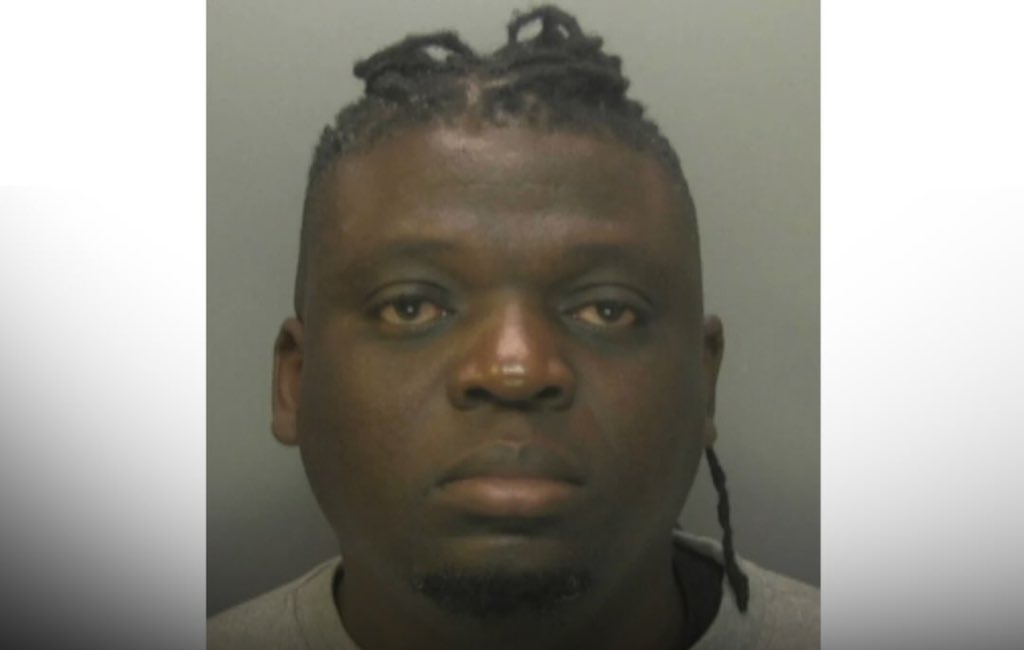

Security operatives reportedly stormed the office of a man who calls himself a pastor in Oju, Benue State. A married woman was reportedly assaulted in the process. The man is accused of having sexual relations with several married women.
Sorting What Is Alleged From What Is Proven (Accusations Are Not Court Findings)
Right now, almost everything rests on a short video report. The accusation against the man has not been tested by police or a court, and we have not heard his side. The report also does not say whether the women involved made the claims themselves or whether other people made them on their behalf.
The assault on the woman is a separate matter. Even if the allegations against the man turn out to be true, hurting a woman during a raid is not justified. If she was assaulted by security personnel, by a crowd or by anyone else, that act needs its own investigation. Her identity and privacy should also be protected, because a video can follow a person for years.
A Pattern Seen Elsewhere: Earlier Cases of Self-Styled Pastors Facing Public Anger and the Law (Self-Styled Means Naming Oneself Without Recognised Authority)
This is not the first time a pastor in Nigeria has faced public anger over marriage claims. In June 2026, the Anambra State Government arrested Pastor Harrison Charles Anazodo of Day Spring Assembly in Onitsha, after a viral video accused him of taking dozens of married women as wives. State officials said the claims included wife-swapping among church members, and that police were investigating with the state government.
That case has moved slowly into the courts. In October, he was on trial on a seven-count charge, and his supporters were reported to have attacked journalists at the court. The case shows two things. Claims against a religious leader can take years to settle, and a leader’s followers may fight back when he is challenged.
Complaints also go through formal channels when families choose them. In Lagos, a church member petitioned the police in July over an alleged abuse by a pastor, and the commissioner ordered a full investigation. That is a different crime from the Benue claim, but it shows how a petition can start a proper inquiry without a raid.
Trust, Power and Vulnerability: What Makes Religious Settings Open to Abuse (Spiritual Authority Means a Leader Seen as Speaking for God)
A leader who is seen as speaking for God holds great influence. Followers may trust him with private problems, including troubled marriages. If he misuses that trust, some people may find it hard to refuse, report or leave.
Anyone can call himself a pastor in Nigeria, and many churches start with no outside check. That does not make every small church suspect. But it does mean families have few ways to confirm a leader’s record before sharing personal matters. Social pressure also matters. A woman who speaks up may face blame from her husband, family or church, so many cases stay hidden until a video appears.
The Damage to Homes, Faith and the Country
If the claims are true, marriages and children are the first to suffer. A husband who feels betrayed may react with anger, and a family can break apart. Women may also face shame, threats or violence after a scandal becomes public.
The harm reaches the wider country as well. Every scandal involving a religious leader makes it harder for people to trust honest clergy. Honest pastors then face suspicion, and people in real need of spiritual help may keep away. If raids and beatings become a way of settling such claims, the public also loses faith in the courts and the police. A society that punishes first and asks questions later is a less safe place for women, for suspects and for everyone else.
Raids Versus Reports: The Risks and Benefits of Acting Before the Police Do (Due Process Means Fair Legal Steps Before Punishment)
There is an understandable case for quick action. Families who feel ignored may think a raid is the only way to be heard. Evidence can also be lost if a suspect is warned.
But a raid without clear authority carries serious risks. People can be hurt, as the reported assault shows. Evidence can be damaged, and an innocent person can be punished before facts are known. If the security personnel were not police, their power to enter an office also needs to be explained. A proper complaint to the police or the state’s social welfare office gives the accused a fair hearing and protects the complainant.
Safer Paths for Complainants and Communities
Families and women who feel harmed should be able to report to the police, a lawyer or a women’s rights group without fear of shame. State governments can set up simple reporting lines and shelters, and train officers to handle such cases with care. Church bodies and religious councils can also help by publishing standards for pastors and offering a place to file complaints about leaders in their networks.
The community has a role too. Neighbours and relatives can listen to women who raise concerns, instead of dismissing them. They can also refuse to share raw videos of victims, which add to the harm.
A Closing Word on Faith, Fairness and the Rule of Law
We take no side on the truth of the allegations, because the facts are not yet known. The man must be heard, and any evidence against him must be tested properly.
At the same time, we are clear on one point. A woman who is assaulted during any raid is a victim, whatever the accusations around her. If security personnel or a crowd hurt her, they must answer for it.
We urge the police to confirm what happened, name those involved and say whether charges will follow. We also urge Benue’s leaders and religious bodies to speak plainly. Faith should protect the weak. It should never become cover for abuse, and neither should a raid become cover for violence.
Published by Ejoh Caleb