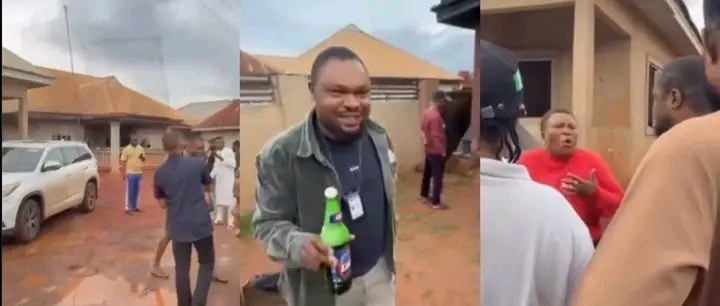
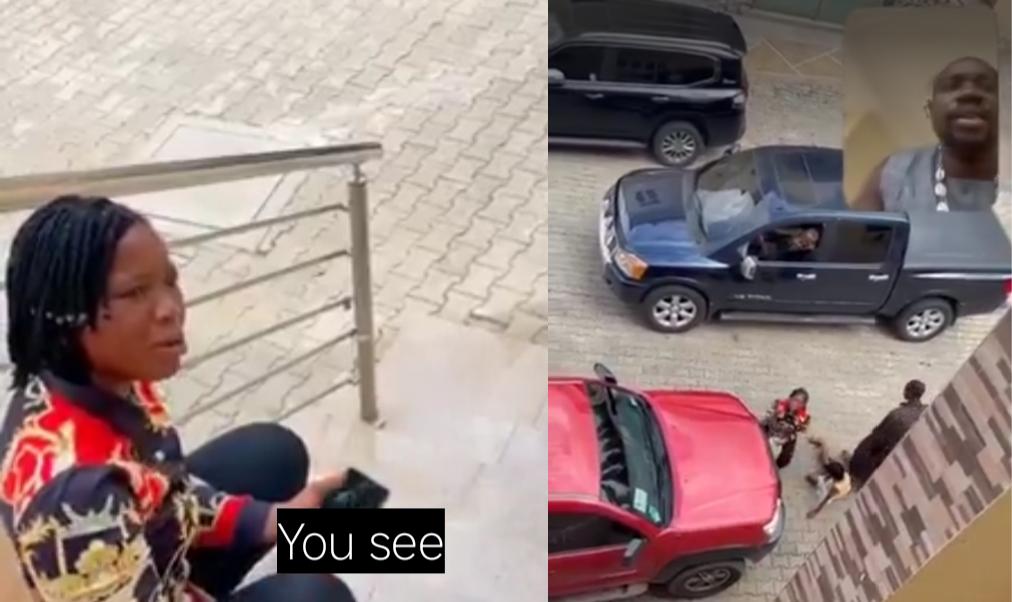
A woman caused a scene at the office of social media activist VeryDarkMan (real name Martins Otse) in Abuja, after her request for help was reportedly not attended to immediately. According to the account shared online, the woman, who said she was a single mother, had travelled from Lagos to Abuja claiming her child had been molested. However, when she was asked to provide evidence to support the claim, she reportedly said that was not why she had come, and instead insisted she needed financial empowerment from VDM’s NGO.
VDM was seen telling her, while she argues with his employees, “It’s not by force to help anybody, get out of this place,”.
It has not been independently confirmed what, if anything, happened to the woman’s child, and VDM’s office has not issued a public statement on the incident at the time of this report.
A Pattern of People Approaching VDM for Help
VeryDarkMan has become known in recent times as someone Nigerians turn to for urgent help, from legal disputes to financial hardship. Earlier this year, he personally gave out $1,000 to a group of elderly women he found stranded in Abuja after they said they had been promised financial empowerment for attending a political event but were left without transport money. His growing public profile as a helper appears to have also made his office a destination for people seeking assistance for all kinds of reasons, not always ones that match what his NGO is set up to verify and handle.
Why Verification Matters for Advocacy Organisations
Serious allegations, like a child being molested, require careful, evidence-based handling, both to protect the child involved and to avoid the allegation being used or misused for unrelated purposes. When an organisation cannot immediately verify a claim, asking for evidence is a standard and necessary step, not a refusal to help. At the same time, incidents like this show the difficult position advocacy groups can find themselves in, needing to take every abuse claim seriously while also protecting their limited resources from being redirected toward unrelated requests.
What This Means for People Seeking Help and the Organisations Trying to Provide It
On a personal level, situations like this can complicate things for genuine victims and their families, since public scenes involving unverified or shifting claims may make some people more skeptical of future cases, even legitimate ones.
On a broader level, as more Nigerians turn to individual activists and their NGOs for the kind of support that formal social welfare systems often fail to provide, these organisations are likely to keep encountering situations where they must quickly tell apart urgent, genuine cases from requests for general financial help.
Moving Forward
Advocacy offices that deal with sensitive allegations, particularly those involving children, generally benefit from having clear, published steps for how a case will be reviewed, so that both genuine victims and the public understand what evidence or process is required. This protects the organisation’s ability to focus on verified cases, while still leaving room for people in genuine financial distress to be pointed toward other forms of support.
Published by Ejoh Caleb