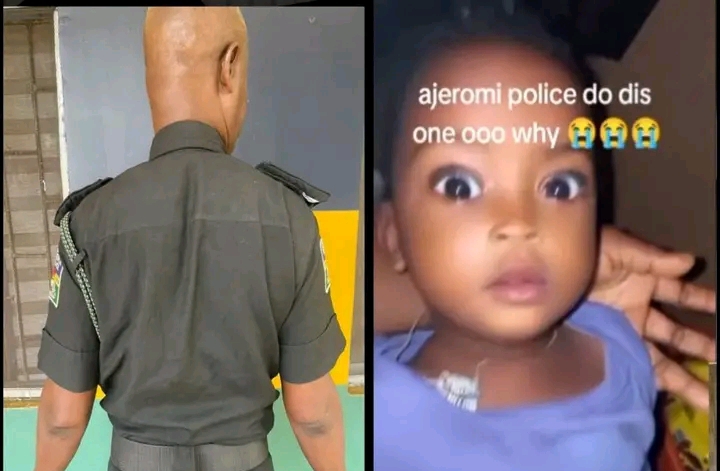
A little girl, Omole Taiwo, has died after a police officer’s firearm was discharged during an operation in the Nosamu area of Ajegunle, Lagos. Another girl was injured. The Lagos State Police Command confirmed this in a statement on Saturday, November 7, 2026.
Her grieving mother posted on social media, “Ajeromi Police officer, you did this to my child.”
What the Police Statement Says and What It Leaves Open (Preliminary Findings Are Early Conclusions That May Change)
Police said the incident happened on Thursday, November 5, between 9:30 p.m. and 10:00 p.m. They said officers were deployed after a distress call about a violent clash between two groups, the Nosamu Boys and the Alayabiagba Boys, reportedly fighting over toll collection. The groups were said to be armed with cutlasses and other dangerous weapons.
According to the statement, ASP Omotayo Olajide discharged his firearm during the operation and the bullet struck two girls. Both were rushed to Ajeromi General Hospital, and one was transferred to the Lagos State University Teaching Hospital (LASUTH), Ikeja, where she died. The other is in stable condition.
The command said the officer has been disarmed and detained, and that the State Criminal Investigation Department (SCID) has taken over the case. Commissioner of Police Tijani Fatai visited the bereaved family and promised that anyone found culpable would not be shielded.
The statement does not explain why the officer fired, what he was aiming at or whether the clash was still going on at that moment. These are the questions the investigation must answer. The officer is under investigation and has not been charged, and we have not heard his account.
A Test the Police Have Failed Before and Say They Will Now Pass: The Effurun Case (Extrajudicial Killing Means a Killing by Officials Outside the Law)
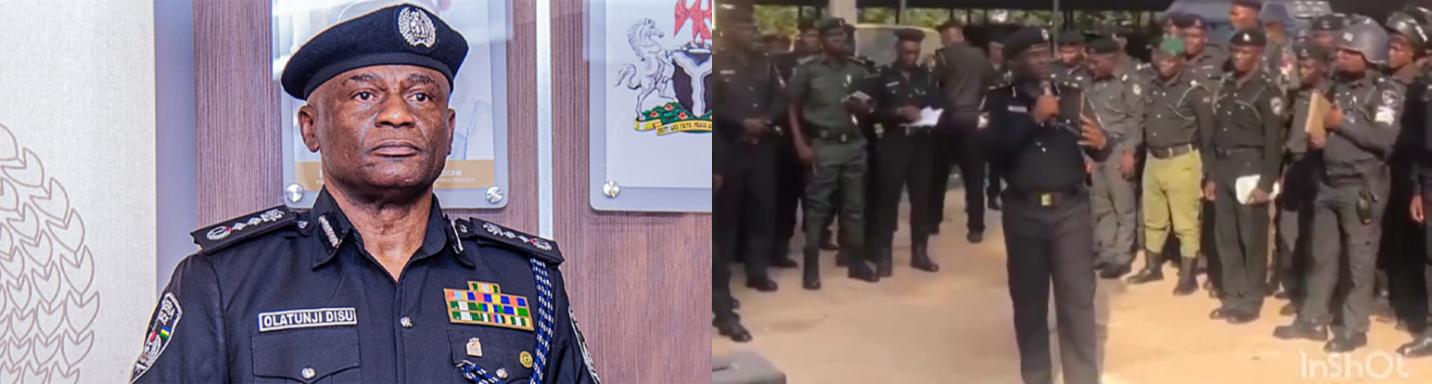
Earlier this year, another officer’s use of a gun led to a major national reaction. On April 26, 2026, ASP Nuhu Usman allegedly shot a restrained suspect, Mene Ogidi, in Effurun, Delta State. After a video went viral, the Inspector-General of Police, Olatunji Disu, approved his dismissal and prosecution and called the act criminal.
A few days later, the IGP said the era of impunity was over. “Any officer who misuses his weapon, who kills a citizen without lawful justification, will be dismissed and prosecuted. Not transferred. Not queried. Not redeployed,” he said.
The cases differ. The Effurun killing was caught on video and was described by police as extrajudicial. In the Ajegunle case, police say the shooting occurred during a clash, and the cause is still to be established. But the IGP’s own words create a standard against which the public will measure what happens next.
Why Shootings During Clashes Hurt Bystanders: Crowded Streets, Armed Groups and Night Operations (Bystanders Are People Who Are Nearby but Not Involved)
Police who respond to a fight between armed groups face real danger. Cutlasses can kill, and officers may feel they must act quickly. In crowded neighbourhoods, though, a fired gun can reach people who are nowhere near the fighting, including children.
Poor lighting at night, fast-moving crowds and weak control of firearms make errors more likely. Rules of engagement are designed to limit when and how an officer may shoot. Whether those rules were followed here is the central question. We cannot answer it without the investigation.
The Hidden Background: Street Groups, Toll Collection and Neglected Neighbourhoods (Toll Collection Often Means Groups Charging Drivers or Traders Without Legal Authority)
The police said the two groups were fighting over toll collection. In many Lagos neighbourhoods, informal groups collect money from drivers, traders or residents, and rivals sometimes fight over who controls the money. We do not have details of how it worked here.
Such disputes can become violent when no one else regulates them. Residents may fear the groups, and the police may be called only after a clash has erupted. A longer-term fix needs the local government, the police and community leaders to deal with illegal levies before they become gang wars.
The Cost of a Bullet That Missed Its Mark: A Family’s Loss and a Community’s Fear
A mother has lost her child, and another family is waiting for a girl to recover. Nothing in the police statement or in the reports suggests either child was involved in the clash.
The wider cost reaches the country. When a police bullet kills a child, trust in officers suffers, especially in crowded and low-income communities. Fear of police can make residents less willing to report crimes or share information, and that makes both policing and safety harder. National faith in the justice system depends on how cases like this end.
Credit and Caution: Reading the Police Response Fairly (Accountability Means Being Answerable for One’s Actions)
There are things the police did that deserve recognition. They confirmed the incident within two days, named the officer, detained him, disarmed him and moved the case to a specialised department. The Commissioner visited the family.
But a detention is a beginning. Past cases have shown that officers can be transferred or queried without public follow-up. The test is whether the SCID publishes its findings, whether a prosecution follows if the evidence supports it, and whether the family sees justice. The mother’s accusation is an allegation, and it is for investigators and a court to weigh.
Practical Steps for Safer Policing: Clear Rules, Better Training and Independent Eyes
Police can publish a timeline for the investigation and report progress to the family. They can also review the rules on firing in crowded areas and train officers on alternatives. Independent bodies, such as the Police Service Commission and the National Human Rights Commission, can monitor the case.
The state government can support the family with medical help and counselling for the surviving child. Community leaders and local councils can work with police to stop illegal toll collection, so that fights over it are less likely to erupt. Body cameras for officers on operations would also give investigators a clearer record of what happened.
Justice for a Child Cannot Wait: Our Reading of a Night in Ajegunle
We offer our deepest sympathy to the family of Omole Taiwo, and we wish the other girl a full recovery. A child should never pay the price of a street fight.
We do not decide the officer’s guilt, because the facts are still being gathered. But we say plainly that a police officer who fires a gun answers to the public for every bullet. We note the Commissioner’s promise that no one found culpable will be shielded, and we note the Inspector-General’s own words in April.
We urge the SCID to complete its work quickly and make the findings public. We urge the police to keep the family informed. And we urge every officer to remember that a gun is a trust. Justice for this child will be judged by what happens next, not by what is said now.
Published by Ejoh Caleb