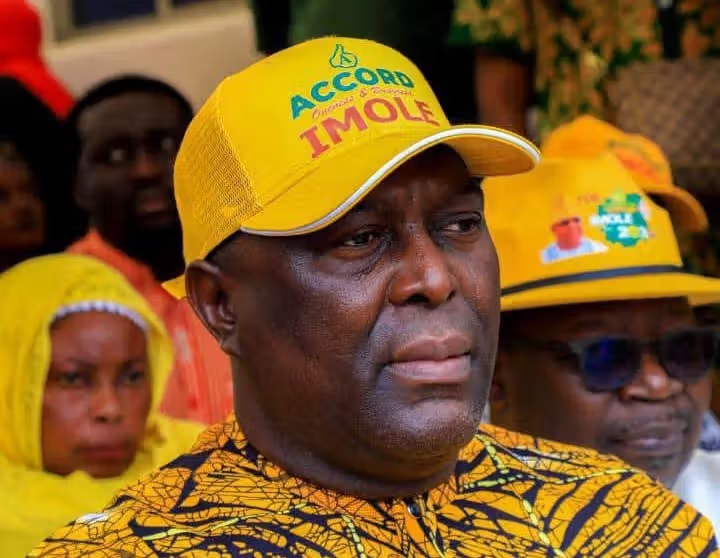

Atiku Abubakar, the African Democratic Congress (ADC) presidential candidate, has vowed to stay in the 2027 race despite a court ruling that nullified his nomination. In a statement on Friday, November 6, he said nobody should mistake the ruling “for the will of the Nigerian people”.
“Let me say this plainly: Bola cannot use the courts to escape the judgment of Nigerians at the ballot box,” he said. He accused the Tinubu government of using political pressure and courtroom manoeuvres to weaken the opposition and push Nigeria toward a one-party state.
What the Court Actually Decided (A Nullified Primary Is an Election Within a Party That a Court Declares Invalid)
Justice Peter Lifu of the Federal High Court in Abuja delivered the judgment on Thursday, November 5. He held that the David Mark-led ADC leadership was illegal and voided decisions taken under it, including the presidential primary that produced Atiku. He ruled that the leadership’s emergence violated the ADC constitution and the Electoral Act.
The suit was brought by Nafiu Bala Gombe, a former National Deputy Chairman (North-East) of the ADC. The defendants were the ADC, the Independent National Electoral Commission (INEC), David Mark, Rauf Aregbesola and Ralph Nwosu. The ruling also reached other ADC candidates nominated under that leadership. If upheld on appeal, Premium Times reports, the ADC would be unable to field candidates in the coming general elections.
Where Things Stand Now: Appeal Filed, INEC Waiting (A Stay of Execution Is a Request to Pause a Judgment Until an Appeal Is Heard)
The ADC has filed a notice of appeal and asked for a stay of execution, in papers dated November 6. It also wrote to INEC to hold off on any action. Its campaign council said INEC “must not act as though the appeal and stay application do not exist”.
INEC says it has not yet received the certified true copy of the judgment and cannot act on one it has not officially received. On Friday its portal still listed Atiku and Rotimi Amaechi as the ADC’s presidential candidate and running mate. So his name remains on the list for now, but his status depends on the appeal.
The Other Side: The APC and a Minister Say the Fight Is Internal (Internal Party Dispute Means a Quarrel Inside a Party’s Own Leadership)
The government’s side rejects Atiku’s claim. The APC asked the ADC to resolve its internal leadership crisis rather than blame the ruling party, and accused Atiku of orchestrating a takeover of the ADC.
Aviation Minister Festus Keyamo said justice may be slow but is always sure. He said the ADC remains alive and belongs to its original leaders. He also said “heavens will not fall” if Atiku is not on the ballot, and he recalled the Supreme Court’s 2019 Zamfara judgment, which removed APC candidates and was defended by Atiku at the time.
A point of fact helps here. The plaintiff is a former ADC official, and no report we found shows that the government brought the case. That does not settle whether Atiku’s claim of political pressure is true. It means both claims remain unproven.
A Long Court Road Behind the Ruling: How the Dispute Reached This Point
This is not a new fight. According to Premium Times, a Court of Appeal judgment on March 12 favoured the Bala faction and led INEC to de-recognise the warring factions. The Supreme Court restored the Mark leadership in April, and the matter went back to the Federal High Court for a faster trial.
The ADC’s campaign council also pointed to an earlier judgment by Justice Lifu declaring the party deregistered, which it said the Court of Appeal later overturned. That claim comes from the ADC, and we did not independently confirm it. A similar case from 2019 shows how far such disputes can go. The Supreme Court removed APC candidates in Zamfara after finding the party had no valid primaries.
Why Party Quarrels End in Court: Tight Deadlines, Rival Factions and High Stakes
Nigerian political parties often fight over who controls them, because control decides who gets tickets. Rival factions go to court to settle the matter. With the election set for January, every ruling carries deadlines.
Courts decide such cases on the law, including a party’s constitution and the Electoral Act. Critics of any ruling can say the judge was unfair, and supporters can say the law was followed. Atiku calls the ruling political. The APC calls the dispute internal. A higher court may settle which view the law supports.
Costs to Voters and the Nation: Uncertainty, Anger and a Crowded Calendar
A candidate whose name could be removed weeks before a vote leaves supporters unsure. Parties that cannot confirm their ticket may struggle to campaign, raise money or plan events.
The wider cost reaches the country. If voters believe courts are used to remove opponents, trust in elections falls. If voters believe a court merely applied the law, trust in the judiciary rises. Either way, a late shake-up of the field can leave less time for voters to know their choices, and it can raise tension, as ADC leaders have already warned.
Keeping Faith in the Process: Quick Appeals, Clear INEC Rules and Calm Politics
The Court of Appeal and, if needed, the Supreme Court can hear this case quickly, and publish clear reasons. INEC can say plainly how it will treat the matter while the appeal is pending, so parties and voters know where they stand.
Parties can help by settling leadership disputes inside before they reach the courts, and by holding congresses that follow their constitutions and the Electoral Act. Politicians on every side can also avoid language that casts judges as enemies, while still criticising rulings through lawful appeal.
Settle It in Court, Then Let the Voters Speak: Our Reading of a Candidacy Fight
We take no side between Atiku and the APC. Atiku is entitled to appeal and to say that voters, not judges, should decide an election. The APC and the minister are entitled to say the dispute began inside the ADC.
What we know is limited. A High Court has ruled, an appeal is filed, and INEC still lists Atiku. Atiku’s claim that the government is using the courts has not been proved, and neither has the claim that it is not.
We urge the Court of Appeal to hear the matter promptly and explain its decision plainly. We urge INEC to act strictly on the law once the final ruling comes. And we urge every party to respect the outcome. Nigerians want a ballot they can trust, and that depends on fair process at every step.
Published by Ejoh Caleb