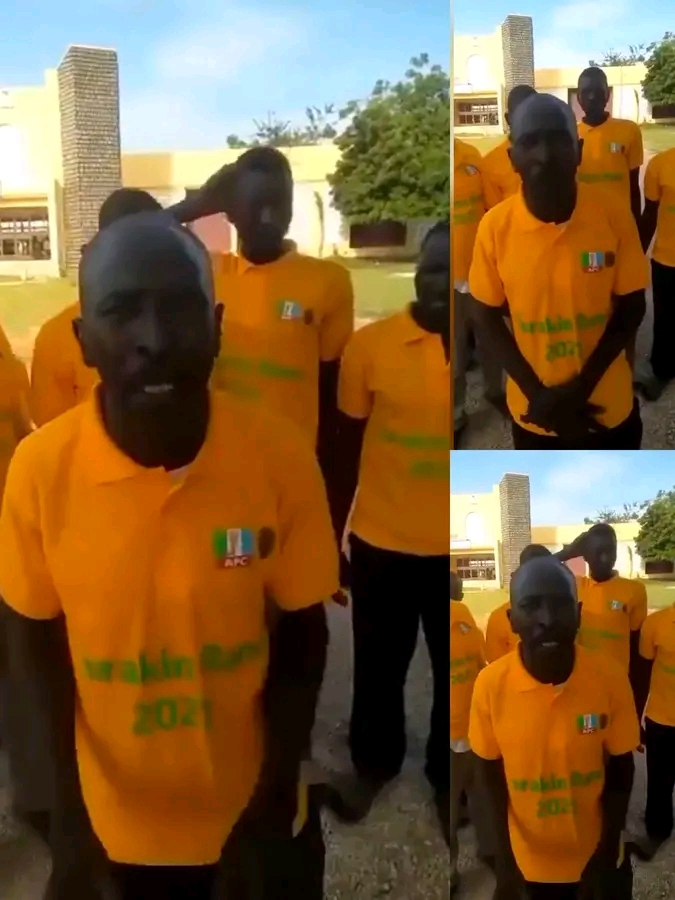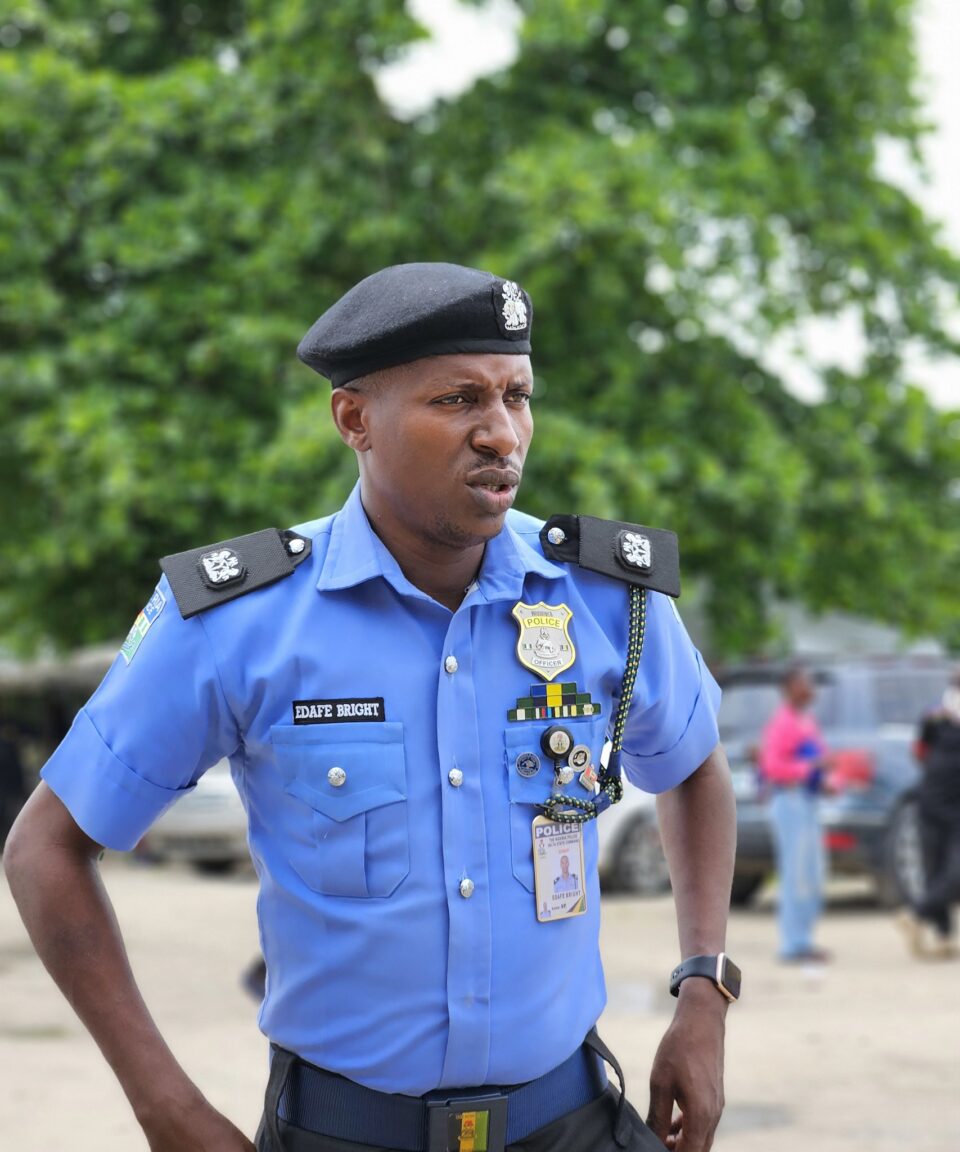
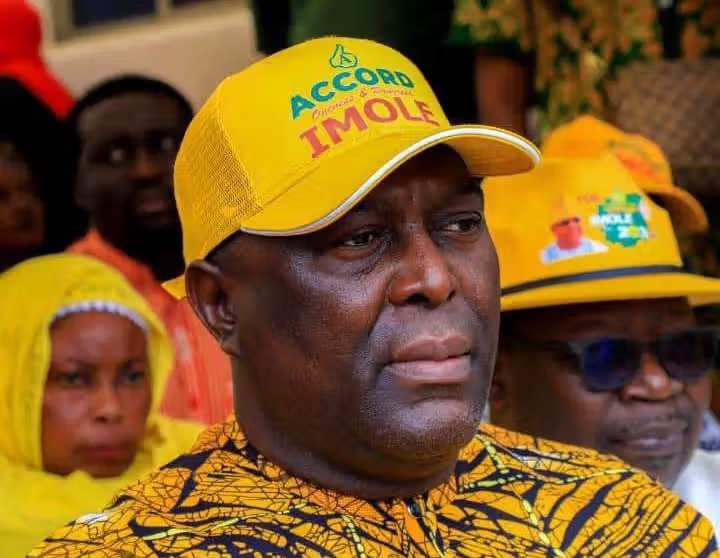
Police in Osun State have arrested the Secretary to the State Government (SSG), Teslim Igbalaye, along with five other people, over an alleged vote-buying plot.
The arrest happened during a raid on a house linked to the SSG in the Oroki Estate area of Osogbo, the Osun State capital. Police said they were actually looking for a different suspect, a man on their wanted list for serious crimes including murder, when they found the group at the property.
From the house, police say they recovered over ₦4.8 million in cash, two Permanent Voter Cards (PVCs, the ID cards Nigerians use to vote), a voter register listing details for 15 wards, a laptop, a photocopier and a printer. Police say the items are now being tested to help the investigation.
The Osun government has pushed back hard. Officials say the SSG was not even at the house when police stormed in — he was attending an election meeting organised by INEC (the Independent National Electoral Commission, the body that runs Nigeria’s elections) at the time. The state government also says police did not show a search warrant, and has accused officers of unlawfully invading the home during a routine political meeting.
The arrest comes just weeks before Osun’s governorship election, scheduled for August 15. Governor Ademola Adeleke is seeking a second term, and tension between his camp and the opposition APC has been building in recent weeks.
This is not Nigeria’s first vote-buying scandal
Vote-buying has trailed Nigerian elections for years, and past cases show how hard it is to stop.
During the 2023 general election, the anti-corruption agency ICPC arrested nine people for vote-buying across five states, including Osun. That same election, police say they arrested over 700 people nationwide for breaking election laws, and INEC later said it was prosecuting 774 of them with help from the Nigerian Bar Association. Convictions did follow in a few states, including Kebbi and Kogi, and EFCC-led vote-buying cases succeeded in Lagos, Kwara and Gombe. But many of those cases are still pending years later, showing how slow Nigeria’s electoral justice system can be.
Why does vote-buying keep happening, and who does it hurt?
Vote-buying survives in Nigeria mainly because of poverty and weak punishment. Many voters, especially in poorer communities, see cash from politicians as an immediate need they cannot ignore, even when they know it is wrong. At the same time, prosecutions move so slowly that politicians and their agents rarely fear real consequences.
On a personal level, when people sell their votes, they lose real power to hold their leaders accountable afterward — a politician who buys his way into office owes voters little once he’s there.
But the damage goes far beyond Osun. Vote-buying scandals like this one feed the belief, both inside and outside Nigeria, that the country’s democracy is for sale. That perception affects how seriously international observers, investors and development partners take Nigeria’s elections, and it deepens the cynicism many Nigerians already feel about voting at all. Cases involving a sitting SSG are especially damaging, because they suggest the problem isn’t just local thugs — it can reach deep into state government itself.
Can Nigeria stop vote-buying for good?
Faster prosecutions would help. Nigeria already has the legal framework and agencies — INEC, EFCC, ICPC and the police — but cases from 2023 are still dragging through courts years later. Quicker trials would send a real warning to politicians.
Stronger protection for voters also matters. Secret ballot enforcement and stiffer penalties for anyone caught buying or selling votes could reduce the temptation on both sides.
Civic education is just as important. Many voters who accept money don’t fully see the long-term cost to themselves and their communities. Continuous, grassroots-level awareness campaigns — not just around election time — could shift that.
The Bigger Picture
I think the timing of this arrest, right before Osun’s governorship election, deserves close attention. Whether or not the courts eventually prove wrongdoing, the fact that a top state government official’s residence became the centre of a vote-buying and electoral materials investigation should worry every Nigerian who wants credible elections. At the same time, the government’s claim that no search warrant was shown is a serious allegation too, and it shouldn’t be brushed aside just because the police are on the side many Nigerians want to trust. Both sides need to be held to the same standard. Nigeria doesn’t just need arrests before elections — it needs fast, transparent, and fair investigations that Nigerians can actually believe in, regardless of who is in power.
Published by Ejoh Caleb