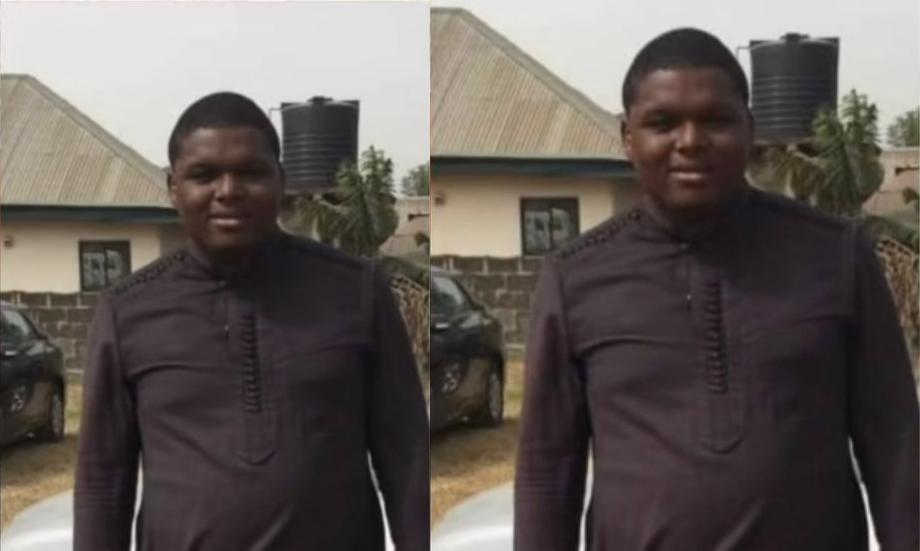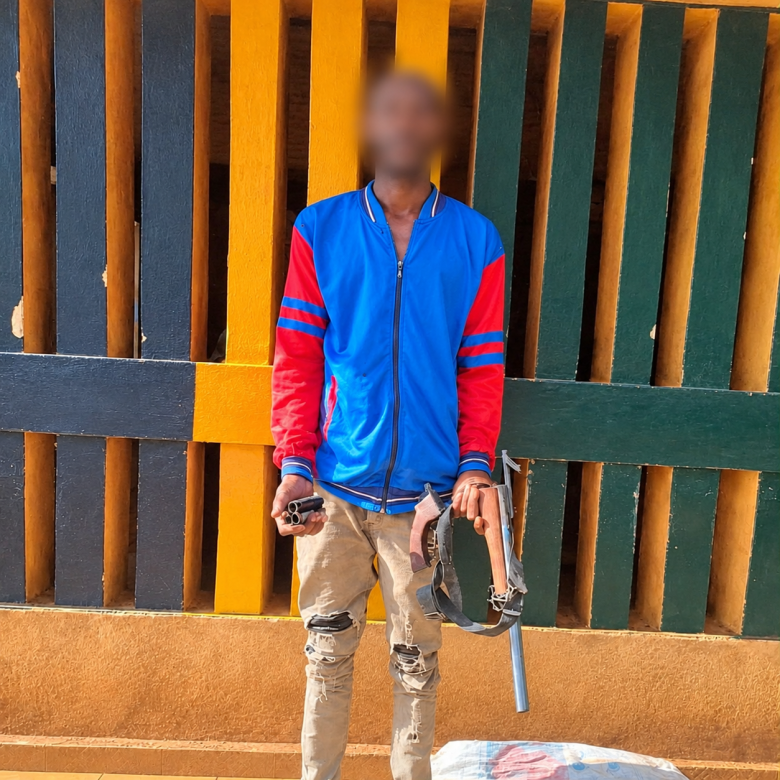
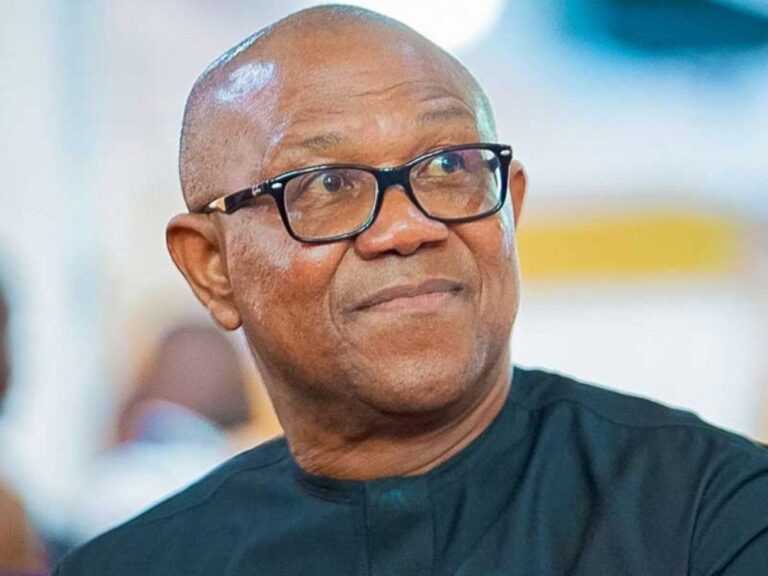
The Cross River State Police Command has arrested a 27-year-old man, Victor Edet Yellow Duke, over an attack on the convoy of Nigeria Democratic Congress (NDC) presidential candidate Peter Obi in Calabar. The attack happened on Wednesday, November 4, 2026, at about 2:20 p.m. near the Watt Market Roundabout.
The convoy was returning from the palace of the Obong of Calabar to the Metropolitan Hotel, where the NDC presidential town hall was to take place. Police spokesman ASP Sunday Eitokpah said suspected hoodlums reportedly carrying machetes and sticks came out of the Calabar Road and Clerks Alley axis and attacked vehicles in the convoy.
What the Police Say and What They Have Not Said (A Statement Gives Official Facts but May Leave Gaps)
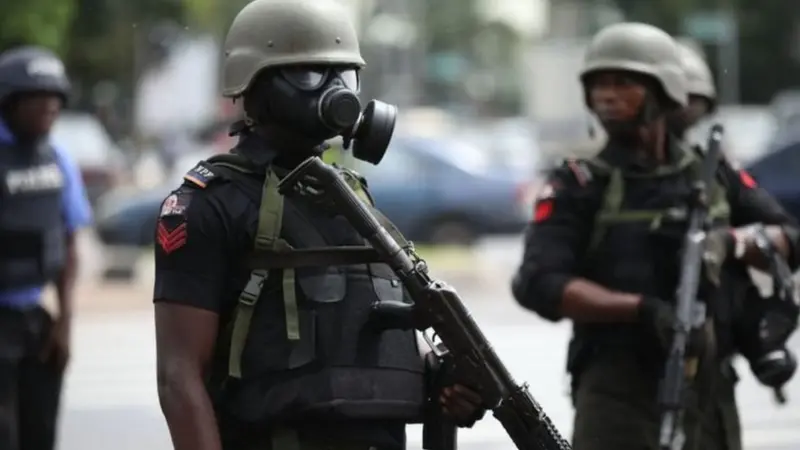
Police said officers deployed in the area moved in quickly to contain the situation, and that the attackers smashed windscreens of some vehicles. The exact number of vehicles affected has not yet been established. Police also said the other attackers fled, and that Commissioner of Police Ajo Ordue ordered a thorough investigation to identify and arrest them.
The command added that an arrest does not equal a finding of guilt. It said the suspect keeps the presumption of innocence until the investigation and any trial conclude. The statement does not say who sent the attackers, or why. The police said they are working to identify possible sponsors.
The Candidate’s Account and a Disputed Injury Claim (An Allegation Is a Claim That Is Not Yet Proven)
Obi’s media aide, Esther Umoh, raised the alarm on X with the words “Thugs are trying to attack our convoy”. She then posted a short video showing a man with a leg wound being carried away, which she said came from a stray bullet. The police statement as reported does not confirm any gunshot injury. Other outlets report that several supporters were hurt, but the police have not given a number.
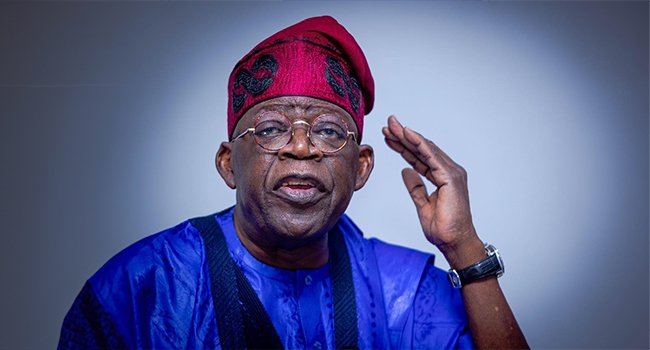
At the town hall, Obi said attackers threw stones, and that his security team advised him to take another route because the people had machetes and other weapons. He said he wanted to go down and meet them, and they left. He added that such things happen “because Nigerians allow it” and that Nigerians would not allow it in 2027.
A Separate Tension the Same Day: Police Say They Averted a Clash Between Rival Supporters
The Sun reported that police separated hundreds of Obi–Kwankwaso supporters from a group of All Progressives Congress (APC) supporters, including members of the Association of Local Governments of Nigeria, in Calabar that day. Police said the APC group was holding a rally and road walk toward the Governor’s Office. Hotel management also restricted access to its premises.
That report treats the near-clash and the convoy attack as connected only by timing. No report we found says the convoy attackers belonged to any party, and no party has been formally accused by police. The question of who sent them remains open.
A Pattern Across States: Earlier Attacks on Candidates and Convoys
Calabar is not an isolated case. About two months ago, a convoy carrying Obi was blocked by youths on the Makurdi–Gboko highway in Benue State. The Benue police commissioner later said at least 46 suspects had been arrested. In Ebonyi, an attack on the convoy of an NDC House of Assembly candidate killed at least one person, according to police.
In Katsina, 14 suspects were arrested after an attack on an APC convoy. The victims differ and so do the accused, which shows that the problem cuts across party lines. The pattern also reflects how often the first arrest comes quickly, while questions about sponsors remain unanswered for much longer.
Why Convoys Become Targets: Visible Crowds, Hired Muscle and Fear of Rivals (Hired Muscle Means Paid Local Enforcers)
A convoy is easy to find and hard to protect. It moves slowly through crowded places and draws large groups. A few armed people in the right spot can cause panic and damage in minutes.
Some attackers may be paid or encouraged, and others may act out of anger. Sponsors can stay hidden because the people who do the work are often young men with little to lose. Where earlier attacks have gone unpunished, others may feel safe to copy them. That is why police efforts to trace sponsors, and not just arrest foot soldiers, matter.
What Is at Stake: Safe Campaigns, Public Trust and the Country’s Standing
The first harm is to the people hurt, and to the traders and passers-by who ran for cover. A market roundabout is a place where ordinary people earn their living, and they paid the price of political rivalry.
The wider cost falls on the nation. Each attack on a major candidate makes the 2027 contest seem more dangerous. It can keep voters away from rallies, discourage candidates from visiting some states and weaken confidence in the polls. International observers and partners also watch such events closely.
Beyond One Arrest: Tracing Sponsors, Protecting Witnesses and Setting Rules for Rallies
The police can show that this case is serious by sharing the investigation’s progress, naming the charges and reporting whether others are arrested. They should also check camera footage and video from the scene, which is already circulating online, to identify those who fled. Witnesses and traders need safe ways to give information.
Parties can help by agreeing on routes and times for rallies in the same city, so that supporters of different parties do not meet by accident. Leaders should also tell their followers publicly to avoid violence. Governments, whichever party runs them, should make clear that every candidate’s right to campaign is protected.
One Arrest Is a Start, Not an Answer: Our Reading of a Dangerous Afternoon
We condemn the attack. A candidate, his supporters and ordinary traders should not face machetes on a public road.
We do not know who sent the attackers, and we do not blame any party without proof. The suspect in custody has the right to a fair hearing, as the police themselves said. But the public deserves more than one arrest.
We urge the Cross River police to complete a full investigation and make its findings public, including any sponsors. We urge all parties to restrain their supporters. And we urge Nigerians to demand that campaigns be peaceful, because an election that begins with violence on the road may end with doubt at the ballot box.
Published by Ejoh Caleb