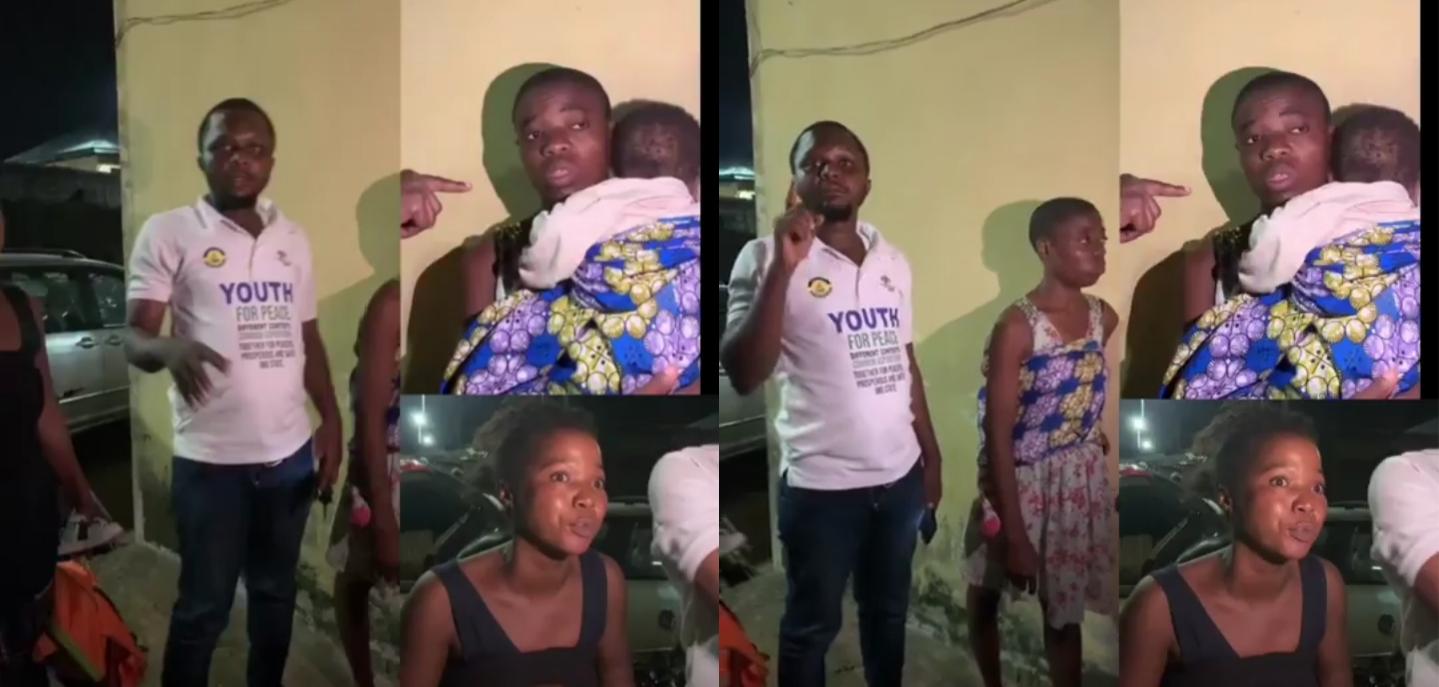
A nursing mother was reportedly apprehended on Monday night in Owerri, Imo State, while allegedly trying to sell her baby for ₦1.5 million.
The account comes from Imo-based journalist Chidiebube Okeoma. He said someone contacted him after meeting the woman carrying a baby and hearing that she wanted to sell the child. He advised the person to pretend to be interested and set a meeting at Rock View, near the Imo State Police Headquarters. When they arrived, he drove the woman and the person who had contacted him to the police station.
What Is Claimed and What Is Missing (A Single-Source Account Is One Where Only One Person Has Described Events)
We have only one account so far, and it comes from the journalist who took part. We have not seen a police statement, and we have not heard from the woman in her own words. We do not know whether she has been charged or where the baby is.
The journalist also said the woman blamed another woman for advising her to sell the baby, and that the other woman denied it. The woman reportedly said she did not know the child’s father and had no means to care for the baby. These are claims from a suspect in distress, and they have not been tested. The woman is a suspect, not a convicted person.
Not the First Time: Earlier Cases of Babies Offered for Sale in Nigeria (Child Trafficking Means Moving or Selling a Child for Gain)
Similar cases have appeared in several states. In January 2026, Edo police arrested a mother who allegedly sold her newborn for ₦1.4 million, along with two others. A woman in Uromi alerted police after hearing about the plan, and the baby was retrieved.
In January 2025, Lagos police broke up a child-trafficking syndicate and recovered a one-year-old boy in Owerri who had been sold for ₦1.5 million. Police said the child’s 22-year-old mother had sold him. She told investigators that the child’s father had abandoned them and left her without support.
Another Imo case involved theft, not a mother’s sale. In May 2025, police rescued a 20-month-old girl who had been stolen from her visually impaired mother and sold for ₦1.5 million. Four suspects were arrested. These cases show a market for children, and they show that the people involved range from desperate parents to organised syndicates.
Between Desperation and Crime: What Pushes a Mother to Consider Selling a Child (Desperation Means a State of Having No Seeming Options)
Reports of this kind often describe a mother who is poor, alone or abandoned. In the 2025 Lagos case, the mother said the father left her without means. A suspect in an Edo case said she stole a baby to repay a debt after her mother’s burial. Hardship does not excuse a crime against a child, but it can help explain why such acts happen.
Stigma may also play a part. A woman who does not know where the father is may feel shame and have little family support. Brokers who offer quick money can exploit that fear. Buyers, in turn, may be people who desperately want a child and see no legal path. The sale of a child is treated as trafficking in Nigeria, and everyone in the chain can be held responsible.
The Baby Comes First: Risks to a Child Who Is Sold or Offered (Welfare Means a Child’s Health, Safety and Wellbeing)
A child who is sold may face grave danger. Buyers may be strangers who are unqualified, and some children are resold or sold into exploitation. Others lose the chance to know their family. Even a child who is rescued may carry the effects of separation.
For this baby, the first need is a medical check and a safe place to stay, with support for the mother where possible. Welfare officers and the police should decide with care whether the child can stay with her, and what help she would need. Removing a baby from a mother is a heavy step, and it should be taken only when the child’s safety requires it.
The Cost of a Market in Children: Broken Families and a Wider Social Burden
Each such case damages a family and a community. A mother may face prosecution and shame, and a child may lose a parent. Neighbours may lose trust in others.
For the country, a trade in children undermines the protection of the most vulnerable. It costs police and welfare agencies time and money, and it harms Nigeria’s image abroad. It also reveals gaps in support for single mothers, such as childcare, income help and counselling. When these gaps stay open, more people may see selling a child as a last option.
Stings, Safety and Speed: Weighing the Role of Citizens in Catching Alleged Traffickers
The people in this case chose to involve the police. That was a good step, and it may have protected the baby. Their decision to play along also carried risks, because a buyer who reacts badly can put a child in danger. Anyone who learns that a child is being offered for sale should call the police or the state welfare office immediately, instead of arranging their own meeting.
The role of a journalist who is also directing a sting raises another point. Reporters can help, but they must also respect the rights of a suspect and avoid exposing a child. The best course is to alert the authorities quickly and let trained officers handle any operation.
Safer Paths for Mothers in Need: Support, Legal Adoption and Quick Help
Government and civil groups can improve support for mothers in crisis. States can set up helplines and shelters that offer short-term housing, food and counselling. Social welfare offices can explain the legal route for a mother who cannot keep her child, including formal adoption and fostering arranged through the proper authorities.
Churches, mosques and community groups can offer practical help, such as small grants or childcare. Police and the National Agency for the Prohibition of Trafficking in Persons (NAPTIP) can continue to arrest the brokers and buyers who make the trade profitable. Citizens can report offers like this through the police or NAPTIP.
Compassion for the Mother, Protection for the Child: Our Reading of a Hard Case
We do not accept the sale of a child. Under any circumstance, a baby is not goods, and no price can make that right.
But we also do not condemn a mother before the facts are known. She is a suspect, and she has not been heard in court. If she acted out of desperation, the law should treat her fairly, and the state should ask what support could have prevented this. If others pushed her into it, they must answer for it.
We urge the Imo police and welfare officials to investigate, protect the child and share what they find. We urge Nigerians to support struggling mothers instead of leaving them alone. A society that cares for its most vulnerable mothers will find fewer babies offered for sale.
Published by Ejoh Caleb