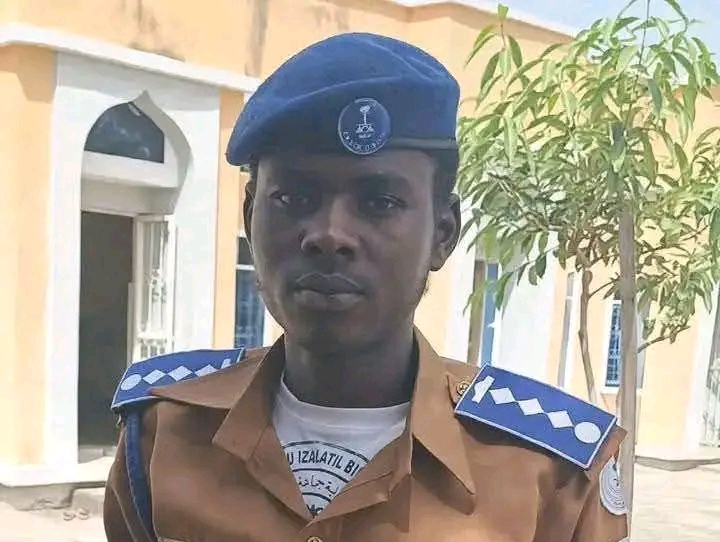
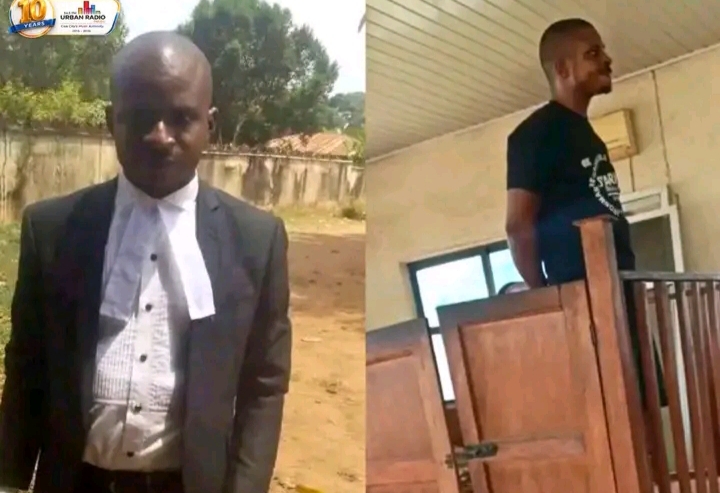
The Ebonyi State Police Command has arrested Ugwumba Francis Enyinnaya for allegedly posing as a lawyer for more than 11 years without being qualified.
The arrest followed a petition. Police said Mr Chukwu David paid the suspect ₦650,000 in March 2026 to help process approval for naming a street in Ohaozara Local Government Area. The petitioner said the suspect presented himself as an experienced lawyer.
Police said the suspect admitted during questioning that he was not a lawyer. Police also listed items allegedly found in his apartment, including a Nigerian Bar Association (NBA) seal, a barrister’s wig and gown, and LL.B. and LL.M. certificates said to be from Ebonyi State University (ESUT). They said forged court judgments and documents from Ebonyi and Enugu states were also recovered. They further alleged that he served as legal adviser to the Ohaozara council during the years of impersonation.
What Police Say and What Is Left for the Court (An Admission to Police Is Not the Same as a Conviction)
Everything above is the police account. A suspect is presumed innocent until a court decides otherwise, even when police say he has confessed. The suspect’s side has not been published, and we do not know what he told the court.
Police said he has been charged. SaharaReporters reports that he was arraigned before a magistrate’s court in Abakaliki on charges that include impersonation, forgery and obtaining money by false pretence. The charge sheet also names other people said to be at large. That detail matters, because it suggests police are looking at more than one person.
Not the First Time: Earlier Fake Lawyer Cases and How They Ended (Impersonation Means Pretending to Be Someone With Authority)
Nigerian courts have dealt with similar cases before. In August 2026, a Lagos High Court convicted John Nwawuto Anoruo, who ran a legal and education consultancy in Ikorodu. He was convicted of impersonating a lawyer and using a forged NBA seal. The seal carried the Supreme Court enrolment number of a genuine lawyer. He pleaded guilty and was fined ₦270,000, and the court ordered his legal attire and seal forfeited.
The case also shows how such cases are discovered. A real lawyer petitioned the anti-corruption agency, the Economic and Financial Crimes Commission (EFCC), after Anoruo filed a petition against him while claiming to be a lawyer. In other words, a professional colleague spotted the fraud, not a client. Another report says a suspected fake lawyer, Godwin Eguabor, was arrested while representing a client at a magistrate’s court in Badagry, Lagos. An NBA official flagged that he had no Supreme Court enrolment number.
Ebonyi itself has seen this before. In 2021, police arrested a man in Abakaliki who claimed to be a lawyer. The state NBA branch chairman said at the time that he committed a crime by claiming to be a lawyer when he was not. These cases suggest the problem is real and recurring, and that the people most likely to catch it are other lawyers.
How a Pretender Can Last Over a Decade: Weak Checks, Fear of Questions and Costly Lawyers (A Gap Pretenders Can Use)
Many Nigerians do not know how to check a lawyer’s status. Few people ask for a Supreme Court enrolment number, and fewer know how to confirm it. A wig, a gown, a stamp and a good-looking office can look convincing, especially to someone who is nervous about court.
Cost also plays a part. Real legal services can be expensive, so some people look for cheaper help. A fake lawyer can exploit that need by offering low fees and fast results. Fear of authority adds to this. Many clients will not question a person who sounds confident and uses legal words.
Weak checks inside institutions also matter. Police said he allegedly served as legal adviser to a local government. If that is proven, it raises a question about how officials hire advisers and whether anyone checked his credentials. We do not know what, if anything, the council knew.
The Cost of a False Counsel: Lost Money, Lost Cases and Shaken Faith in Justice
The first victims are clients. They may lose money, as the petitioner says he did, and they may lose rights if a case is handled badly. A forged document filed in court could damage a case or even lead to a wrongful decision. Police said many people may have been affected, and that deserves a proper inquiry.
The wider cost reaches the country. Courts depend on honest documents and honest representation. If forged judgments and fake certificates circulate, trust in the justice system weakens. Honest lawyers also suffer when the public starts to suspect everyone in the profession. Government bodies that act on bad legal advice could make costly mistakes with public money and public rights. A case that lasts over a decade adds to the sense that fraud can go unnoticed for too long.
Closing the Gaps: Easy Public Checks, Strict Court Screening and Honest Hiring (Verification Means Confirming a Claim Is True)
The police have urged the public to verify the credentials of anyone offering legal services. The commissioner said prospective clients can confirm a lawyer’s status through the relevant branch of the NBA. That advice would be easier to follow if a public online list of lawyers were simple to use and kept current.
Courts and government offices can add their own checks. Court registries can ask for enrolment details before accepting filings. Local governments and agencies can verify any adviser through the NBA and the Supreme Court record before hiring. Institutions whose seals or certificates were allegedly forged, such as ESUT and the NBA, can also confirm the facts and help prosecutors. Citizens should report suspicious cases early, through the police or their local bar branch.
Trust, but Verify: Our Reading of a Long-Running Deception
We do not decide guilt before the court does. The police have made serious claims, and the suspect has the right to answer them.
But if the claims hold, the lesson is plain. A wig, a gown and a stamp should never be enough to earn trust. Ask for the enrolment number, check with the NBA, and be careful when someone offers legal help that sounds too cheap or too easy.
We also urge the authorities to find out how far this alleged practice went. Anyone who paid him, or relied on his documents, deserves to know. Honest lawyers, honest clients and honest institutions all gain when this kind of fraud is exposed and punished.
Published by Ejoh Caleb