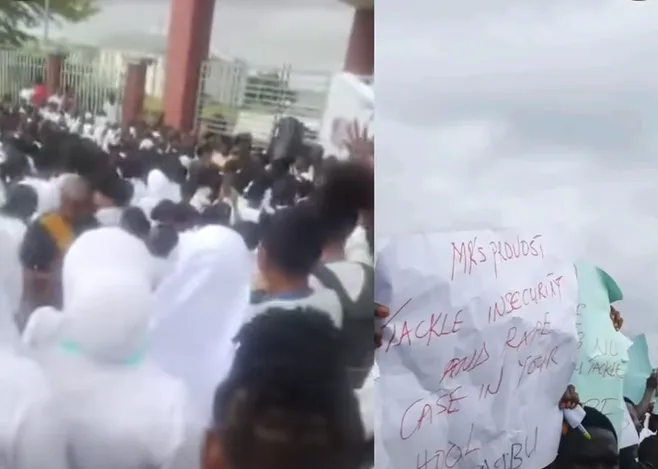
Hundreds of students at the Taraba State College of Nursing Sciences, Jalingo, staged a peaceful protest on Monday, September 21, 2026, after armed hoodlums broke into a female hostel located outside the college’s premises overnight. The attackers allegedly raped a student and cut off one of her fingers, and made off with phones and other valuables from the hostel. The victim was taken to a private hospital in the Mile 6 area of Jalingo for treatment. Sources close to the students said this was the second attack on the hostels within two weeks, following an earlier robbery in which armed men reportedly stole 33 phones and injured several students.
A students’ union official, who asked not to be named for fear of reprisal, said the school had been warned this could happen again. He said that after the first attack, the Commissioner for Tertiary Education visited the college and promised improved security, but nothing changed before Monday’s attack. The students used the protest to demand that the government move them into hostel blocks built inside the college campus, which they say are complete but still unused.
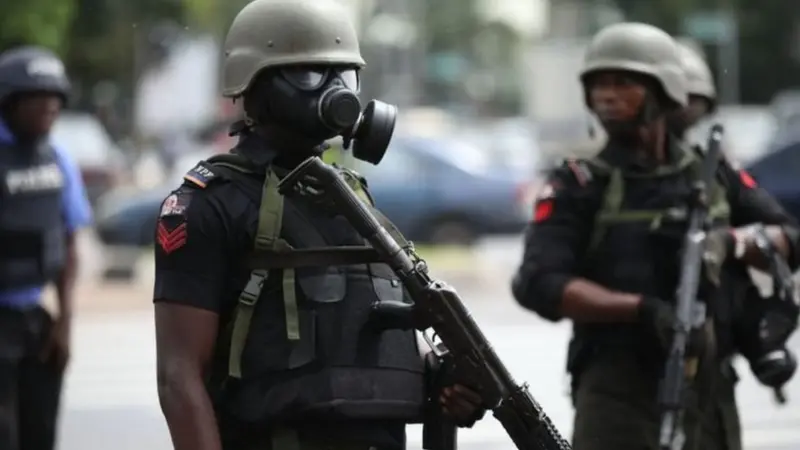
The Taraba State Ministry of Tertiary Education sent officials to the college to appeal for calm after the protest escalated. During the demonstration, the college’s Provost reportedly damaged two students’ phones while trying to stop them from filming her, which added to student anger. Government officials later agreed to deploy security personnel to the affected hostels immediately, and a formal meeting between the students’ union and the government was scheduled for Tuesday, September 22. As of the time of reporting, the Taraba Police Command had not issued a public statement confirming the rape or the injury.
A Pattern That Keeps Repeating on Nigerian Campuses (Similar Hostel Attacks in Other States)
This is not an isolated case. In January 2023, armed men numbering about 20 raided several off-campus hostels near Nnamdi Azikiwe University in Awka, Anambra State, over several hours. They moved from room to room, robbing students and raping an estimated nine to ten female students while firing guns to keep others from intervening. One student who was raped reportedly tried to take her own life afterward and had to be restrained by classmates, showing how severe the trauma from such attacks can be. The state government initially disputed the scale of the reports before deploying security to the area.
A similar attack happened in Ogun State in October 2023, when suspected robbers invaded several private hostels near Tai Solarin University of Education and sexually assaulted four students. The state’s Deputy Governor visited the victims, who were treated at a Sexual Assault Referral Centre, a specialised unit that provides medical care and evidence collection for survivors of sexual violence. A separate attack at the same university in July 2024 saw armed men take two first-year students to an unfinished building nearby and rape them. In each of these cases, the attacks happened in hostels sitting outside the university’s own security perimeter, in areas where private landlords, not the school, are responsible for safety.
Why Students End Up Living Outside Campus Walls, and What That Costs Them (Root Causes Behind the Attacks)
The immediate cause of Monday’s attack was a straightforward security failure: armed men were able to enter a residential building with no resistance and leave with stolen property, injuries and, allegedly, a rape, and no one was arrested in the process. But the deeper cause is where students are forced to live in the first place. Like at UNIZIK and TASUED, the Taraba hostel sits outside the college’s own security perimeter, even though completed hostel blocks exist on campus. Students said they raised this exact problem after the first attack two weeks earlier and were only given a promise, not action.
This gap exists because Nigerian tertiary institutions have historically built far fewer hostel rooms than they have students, forcing large numbers to rent private accommodation in surrounding neighbourhoods that the school does not patrol or control. When new hostels are built, as appears to be the case in Jalingo, the handover to students can be delayed by bureaucracy long after the buildings are technically ready. In the meantime, the private hostels rented informally around campuses often lack basic protections, such as perimeter fencing, security guards or working gates, making them easy targets for organised criminal gangs who know students carry phones and cash after exams or allowance payments.
The Toll on Survivors and on Nigeria’s Record of Protecting Students (Effects on the Individual and the Nation)
For the student attacked in Jalingo, the injuries reported, sexual assault and the loss of a finger, are severe enough to require hospital admission, and the psychological effects of an attack like this can last long after physical wounds heal. The UNIZIK case showed how acute that trauma can be, with a survivor needing to be physically restrained by fellow students from attempting suicide. Beyond the individual victims, attacks like this spread fear through the wider student body, with the Taraba students explicitly describing a climate of anxiety in every account of the protest.
At a national level, each of these incidents adds to a pattern that researchers say Nigerian universities have struggled to break. A study on gender-based violence at Nigerian tertiary institutions found that responses tend to be reactive, arriving only after an attack, rather than built into standing security and support systems. That pattern damages Nigeria’s reputation as a safe place to study, particularly given the country’s ambition to grow its higher education sector and attract more students, including from abroad. It also signals to survivors nationwide that reporting an attack does not reliably lead to arrests, prosecutions or better protection, which discourages other victims from coming forward.
What Would Actually Make Students Safer (Possible Fixes, From Immediate Security to Long-Term Reform)
The most immediate fix is the one students in Jalingo are already demanding: moving them into the completed on-campus hostels, where the college itself can control entry and exit rather than relying on unregulated private landlords. Nigeria has only a limited number of Sexual Assault Referral Centres nationwide, with one report counting just 32 across about 17 states, so ensuring survivors like the Jalingo student have fast access to one, for forensic examination, medical care and counselling, is a second concrete step that can be taken immediately.
Longer term, researchers argue that institutions need standing anti-violence frameworks rather than one-off promises made after each attack, including regular security patrols around known student housing areas, functioning emergency contact lines and enforcement of the Violence Against Persons Prohibition Act, which already criminalises rape and other sexual violence nationwide. State governments also have a role in speeding up the handover of finished hostel projects, since a building that is complete but not in use protects no one.
Holding Institutions to Their Promises Matters as Much as Punishing the Attackers
We believe what happened to this student in Jalingo is horrifying, and the attackers must be found and prosecuted. But we also believe the protest itself tells an important story: students had already warned their school that this could happen again, and it happened again. That is not bad luck. That is a warning that went unheeded.
We think Nigerian institutions need to stop treating student safety as something to address after an attack makes headlines. The pattern from Awka to Ijebu Ode to Jalingo is the same each time: students living outside secure walls, warnings raised and ignored, and promises made only once cameras and protests force a response. A finished hostel building sitting empty while students sleep somewhere unguarded is not a housing shortage. It is a choice, and it has a cost that falls on the most vulnerable people in the system.
We urge the Taraba State Government to follow through on Tuesday’s meeting with more than words, and we urge every institution reading this to ask whether their own students are safer tonight than the ones in Jalingo were on Sunday.
Published by Ejoh Caleb