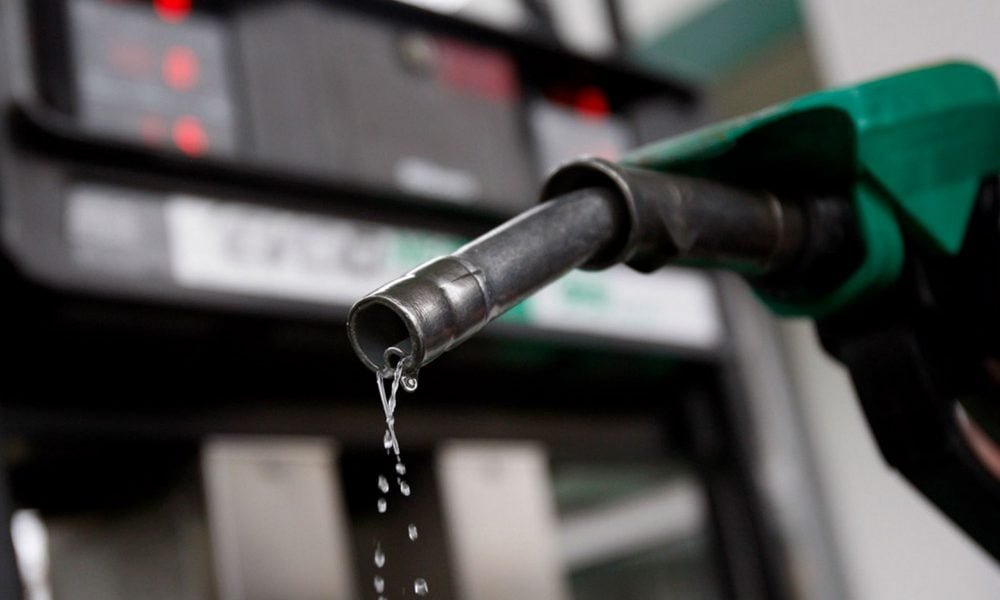
Petrol prices have jumped again across Nigeria, with some filling stations in Abuja now selling at ₦1,430 per litre. Checks on Sunday showed NIPCO outlets raising prices from ₦1,350 to ₦1,430 per litre, Mobil moving from ₦1,350 to ₦1,400, and MRS increasing from ₦1,350 to ₦1,395. Similar increases have been recorded in Lagos and other major cities, with pump prices generally ranging between ₦1,400 and ₦1,450 per litre.
The immediate trigger was the Dangote Petroleum Refinery raising its wholesale, or “gantry,” price by ₦85 per litre, from ₦1,265 to ₦1,350, a 6.7 percent jump that marketers say they are simply passing on to consumers. A petrol attendant at one filling station said prices could rise further once new stock arrives, suggesting the full impact of the adjustment has not yet reached consumers.
Three Years of Rising Pump Prices: How Nigeria Got From Subsidy Removal to Today’s Cost
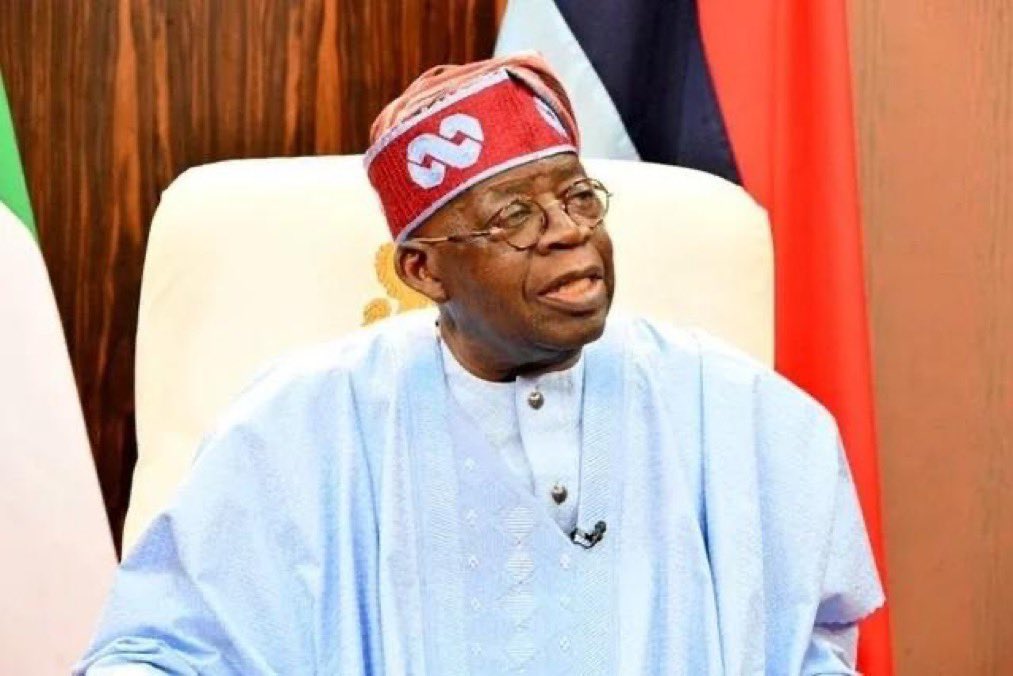
This latest jump continues a steep climb that began the day Bola Tinubu was sworn in as president. On May 29, 2023, he declared in his inauguration speech that “fuel subsidy is gone,” and within a day, petrol prices, which had hovered around ₦185 to ₦195 per litre under the outgoing administration, soared to roughly ₦557 per litre, then climbed again to ₦617 within a month.
By 2024, prices had reached roughly ₦1,030 per litre as currency devaluation added further pressure. By May 2026, prices had climbed to between ₦1,300 and ₦1,400, representing more than a 600 percent increase from pre-subsidy-removal levels within three years. Now, in September 2026, prices have pushed past ₦1,400 again, following a series of gantry price increases at Dangote’s refinery, from ₦1,185 to ₦1,200 in late August, to ₦1,265 in early September, and now ₦1,350.
A Global Oil Shock Meets a Local Supply Puzzle: Why Prices Keep Climbing
The latest increase is tied to a surge in international crude prices, with Brent crude, the global benchmark that influences Nigeria’s oil earnings and import costs, climbing above $108 per barrel amid tensions around the Strait of Hormuz, a critical Middle East oil shipping route. Higher crude prices raise the landing cost of petroleum products for both importers and domestic refiners like Dangote, a cost that ultimately flows down to the pump.
But labour unions argue the picture is more complicated than global oil prices alone. The Nigeria Labour Congress (NLC) has pointed to data from the Nigerian Upstream Petroleum Regulatory Commission showing that while oil producers offered 68.1 million barrels of crude to the Dangote Refinery in the second quarter of 2026, against a stated requirement of 63 million barrels, the refinery only accepted 52.6 million barrels. The NLC argues this points to structural supply issues within Nigeria’s own control, not just international market forces.
For ordinary Nigerians, the effects go beyond fuel purchases. Economist Dr Aliyu Ilias warned that the increase would raise transportation and production costs, with the burden eventually showing up in food and other essential commodity prices, deepening a cost-of-living crisis many households are already struggling under. Nationally, sustained fuel price volatility complicates the government’s inflation-control efforts and adds pressure on an economy still adjusting to the post-subsidy market, at a time when public patience with rising costs is already stretched thin.
Market Forces or Avoidable Greed? Labour and Marketers Clash Over the Latest Hike
Those defending the price increase as a market reality argue:
Petrol prices in Nigeria’s deregulated downstream market are now tied directly to global crude prices and exchange rates, both of which are largely outside any single company’s control.
Dangote’s own gantry price increase reflects rising input costs, and marketers say they are simply adjusting to that upstream change rather than profiteering independently.
An industry expert noted that gantry and pump prices will ultimately track the impact of the ongoing Middle East crisis, meaning further global developments, not local decisions alone, will determine where prices go next.
Those who reject this framing argue:
The NLC has previously described similar hikes as “avoidable and unacceptable,” arguing that if more Nigerian crude were channelled to domestic refineries, pump prices could be moderated regardless of international crude movements.
Labour has in the past accused the government and industry operators of a “gang-up” against ordinary Nigerians, questioning why prices rise even when exchange-rate conditions have, at times, improved for local businesses.
Civil society voices have previously called on the government to intervene directly when hikes are seen as excessive relative to underlying cost changes, rather than treating every increase as purely market-driven.
What Could Actually Ease the Pressure at the Pump
Resolving the gap between how much crude is offered to Dangote’s refinery and how much it actually accepts would address one of the specific structural concerns labour has raised, potentially reducing reliance on volatile international purchases. Greater transparency from the refinery and regulators on why offered volumes are not being fully taken up would help the public judge whether supply bottlenecks, rather than global prices alone, are contributing to the current cost.
Government support for completing the rehabilitation of Nigeria’s public refineries, a step rights lawyer Femi Falana has previously urged with a specific completion deadline, could also add supply diversity that reduces dependence on any single refiner’s pricing decisions. Beyond supply-side fixes, targeted support for public transport and low-income households, rather than broad, unsustainable subsidies, could help cushion the impact on Nigerians least able to absorb repeated price shocks.
Our Concern as Nigerians Absorb Yet Another Painful Price Jump
We understand that global oil markets are volatile right now, and that Nigeria, like every country, cannot fully insulate itself from a crude price surge driven by tensions half a world away. That part of this story is genuinely outside anyone’s immediate control.
But we share labour’s concern that not every part of this increase looks purely like an act of the global market. If Nigerian crude is being offered to a Nigerian refinery in quantities that refinery does not fully take up, that gap deserves a clear public explanation before Nigerians are asked to simply accept another jump to the pump price. Three years after subsidy removal, with prices up more than sixfold, ordinary Nigerians deserve more transparency about exactly which parts of each new increase are unavoidable, and which are not.
Published by Ejoh Caleb