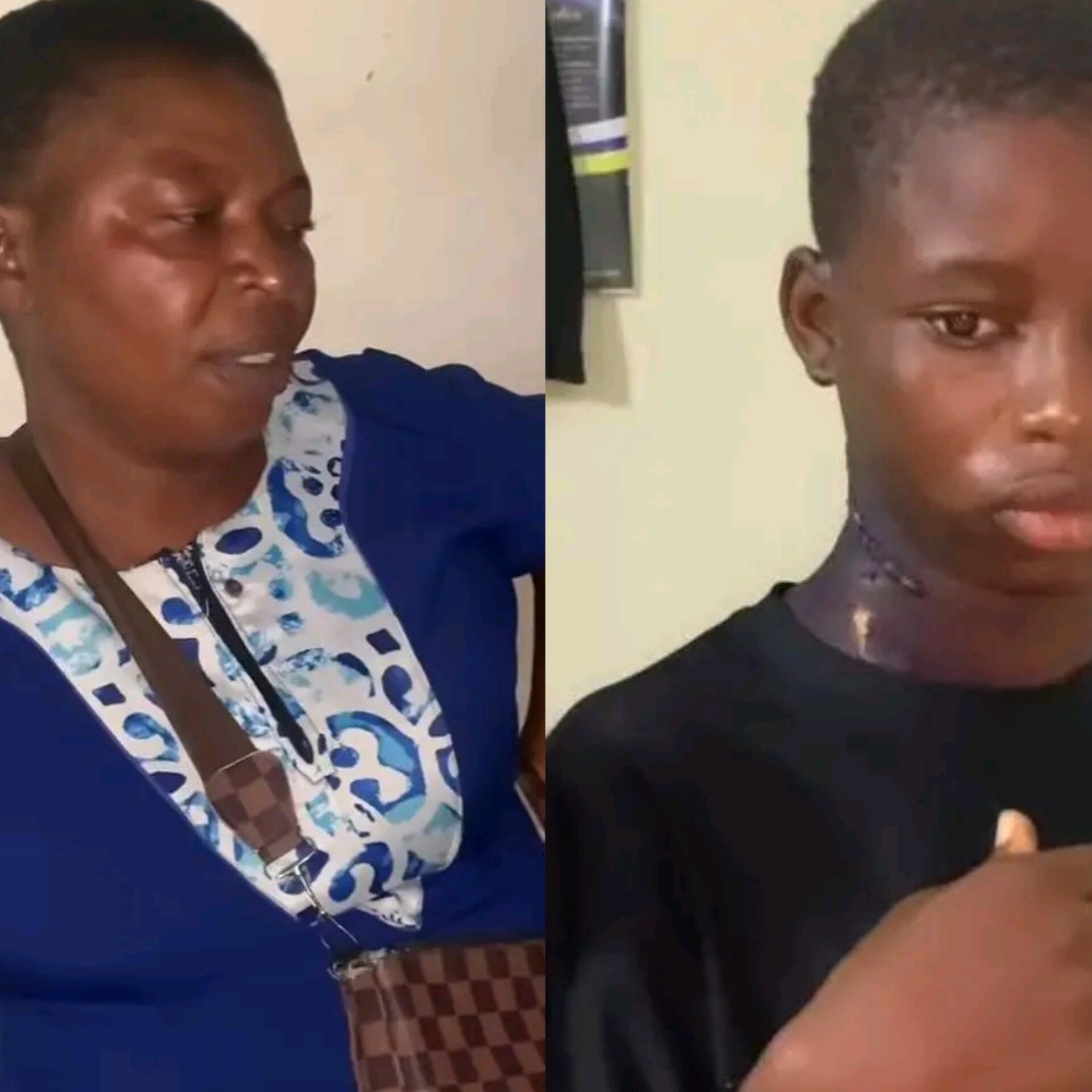
The Nigerian Army has launched an investigation into a serving officer, Captain Etim Essien of the Headquarters 3 Division in Jos, Plateau State, over allegations of sexual abuse involving a 13-year-old girl.
According to reports, the girl, who is deaf and non-speaking, is the younger step-sister of the officer’s wife and had been living under the family’s care in Taraba State, reportedly so she could attend school. The abuse is alleged to have occurred over a period of time while she was in the family’s custody, and some reports allege it resulted in a pregnancy.
The Army confirmed the investigation followed reports circulating online, and said the National Human Rights Commission (NHRC) had pressed for disciplinary action. In a statement, Acting Deputy Director of Army Public Relations for 3 Division, Lt Col Olumide Olukoya, said the Army treats allegations of sexual abuse “particularly those involving minors and other vulnerable persons, with utmost seriousness,” and that steps had been taken to establish the facts. The Army added that it is aware civil authorities are also investigating and pledged full cooperation with them.
Not the Army’s First Reckoning: Past Cases of Military Accountability for Serious Misconduct
The Nigerian military has faced, and in some cases acted on, serious misconduct allegations against its personnel before. Courts-martial convened in Maiduguri have previously convicted soldiers of rape, murder, and abduction of civilians linked to operations in the Northeast, showing that Nigeria’s military justice system has, at times, delivered accountability for serious crimes by service members.
At the same time, human rights monitoring has noted that the Army’s Civil-Military Legal Desks, meant to coordinate with the National Human Rights Commission and the Nigerian Bar Association on citizen complaints against military personnel, have had limited capacity to investigate cases outside major population centres, a gap that can leave complaints in more remote areas, like this one in Taraba State, harder to pursue without external pressure.
Why Children With Disabilities Face Greater Risk, and Less Chance of Being Believed
This case sits within a much larger, troubling national pattern. UNICEF estimates that one in four girls and one in ten boys in Nigeria experience sexual violence, with the large majority of cases involving multiple incidents rather than a single occurrence. Nigeria’s Child Rights Act of 2003 makes sexual intercourse with a child punishable by life imprisonment, and the 2015 Violence Against Persons (Prohibition) Act further strengthened legal protections, but enforcement and disclosure remain persistent challenges nationally.
Children with disabilities, like the girl at the centre of this case, face compounded risk. A 2022 Africa Polling Institute study found that 64 percent of Nigerians recognise that women with disabilities face higher vulnerability to sexual abuse than those without. Reporting mechanisms in Nigeria, including police stations and health centres, rarely offer communication support such as sign language interpretation for people with hearing or speech impairments, and harmful stereotypes portraying people with disabilities as childlike or easily manipulated make it less likely that survivors are believed when they do disclose abuse. For a child who is deaf and non-speaking, these barriers would have made disclosing abuse, and being taken seriously afterward, significantly harder than for a child without a disability.
Due Process Versus Public Pressure: How This Case Is Being Handled So Far
The Army has been careful to frame its response around due process, cautioning the public against “speculation and the circulation of unverified information” while the investigation continues, and stressing that it would be “inappropriate to make definitive comments on the culpability of any individual at this stage.”
At the same time, the investigation itself appears to have been prompted largely by public attention to the case online and by the National Human Rights Commission’s intervention, rather than by an internal Army process that surfaced the allegation independently. This raises a fair question civil society groups often ask in similar cases: whether accountability for alleged abuse by security personnel depends too heavily on public and civil-rights pressure, rather than on institutions consistently identifying and acting on such cases on their own.
Closing the Gaps: What Better Protection for Children With Disabilities Would Require
Cases like this point to specific, addressable gaps. Reporting channels, including police stations, military legal desks, and health facilities, need genuine communication accessibility, including sign language interpretation and other accessible formats, so that children with hearing or speech disabilities are not effectively locked out of disclosing abuse.
Stronger, resourced enforcement of Nigeria’s existing Discrimination Against Persons with Disabilities (Prohibition) Act, alongside the Child Rights Act and VAPP Act, would help ensure protections that already exist on paper are consistently applied in practice. Within the military specifically, expanding the reach and independence of Civil-Military Legal Desks beyond major population centres would reduce reliance on viral public attention as the main trigger for investigating serious misconduct allegations involving personnel stationed in less accessible areas.
Our Concern for a Child Failed by Those Meant to Protect Her
We think this case deserves a transparent, thorough investigation, and we support the Army’s stated commitment to due process for everyone involved. Serious allegations require serious, fair scrutiny, not conclusions reached by public opinion alone.
At the same time, we are troubled that a child already facing the added vulnerability of being deaf and non-speaking may have spent time in an unsafe situation before public attention forced institutional action. If Nigeria’s child protection and disability safeguarding systems required public outrage to activate in this case, that is itself a failure worth examining, regardless of what this specific investigation ultimately finds. Every child, especially those who face extra barriers to being heard, deserves protection that does not depend on a story going viral first.
Published by Ejoh Caleb