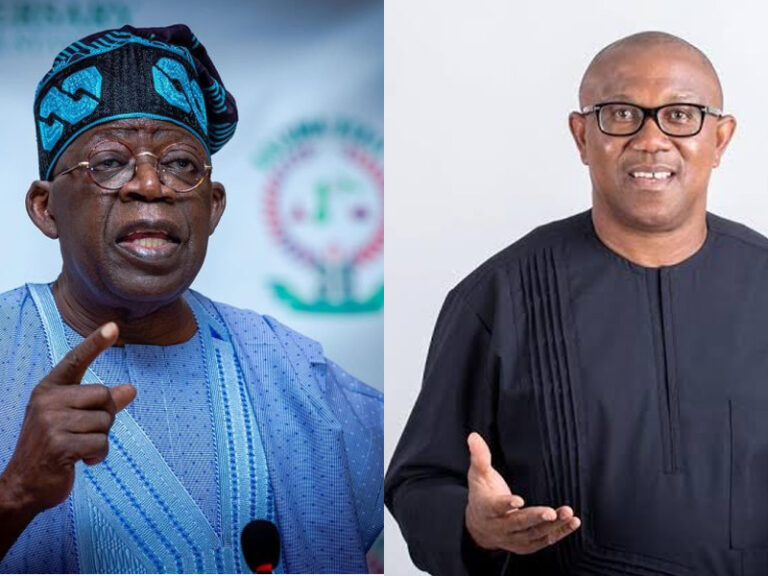
A political argument making the rounds is that Nigeria’s governors should be more concerned about their political future than simply working to ensure that President Bola Tinubu wins a second term in 2027.
The argument is based on a simple question: Between Bola Tinubu and Peter Obi, whose presidency would give sitting governors more political freedom and influence?
According to the writer, Tinubu’s political experience and ability to maintain control over political allies may explain why many politicians continue to support him, even when another political arrangement could better serve their interests.
Tinubu’s Political History and Party Loyalty
The writer points to Tinubu’s political moves during the 2007 and 2011 presidential elections as examples of why politicians should look beyond party loyalty.
In 2007, the Action Congress (AC) fielded Atiku Abubakar as its presidential candidate. In 2011, the Action Congress of Nigeria (ACN) fielded Nuhu Ribadu.
The writer argues that Tinubu’s political decisions during these periods raise questions about whether party loyalty has always been the main consideration in Nigerian politics.
However, claims that Tinubu secretly instructed his supporters to vote for another candidate shortly before an election would require supporting evidence before they can be treated as established facts.
The wider point remains that Nigerian politicians have often formed alliances across party lines when doing so serves their political interests.
Would Tinubu’s Second Term Give Governors Less Freedom?
The writer believes that another Tinubu presidency could increase the power of the presidency at the expense of state governors and other political figures.
Under this argument, governors who depend heavily on the president’s support could find it harder to make independent political decisions. Even their chances of securing party tickets for future elections could be affected by the influence of powerful political leaders.
The concern is that politicians who once enjoyed considerable influence could become increasingly dependent on the president for political survival.
However, the extent to which this could happen would depend on the balance of power within the ruling party, the strength of political institutions, and the ability of governors to maintain their own support bases.
Why the Writer Believes Peter Obi Could Take a Different Approach
The writer presents Peter Obi as a possible alternative who could give governors greater room to operate, regardless of their political parties.
According to this view, an Obi presidency could encourage more consultation with governors, regular meetings with state leaders, and greater cooperation between the federal and state governments.
The writer also argues that Obi could allow governors to retain their political influence rather than use federal power to weaken them.
These are expectations about how an Obi presidency might operate, not confirmed guarantees. The extent of such cooperation would depend on Obi’s actual policies, constitutional powers, political alliances, and decisions in office.
Why Governors Should Look Beyond Their Political Parties
One of the central arguments is that political parties should not be the only factor guiding governors when making decisions about the 2027 election.
Governors also have their own political futures to consider, including their influence within their parties, their ability to support candidates of their choice, and their relationships with the federal government
Published by Chuks Nwachuku