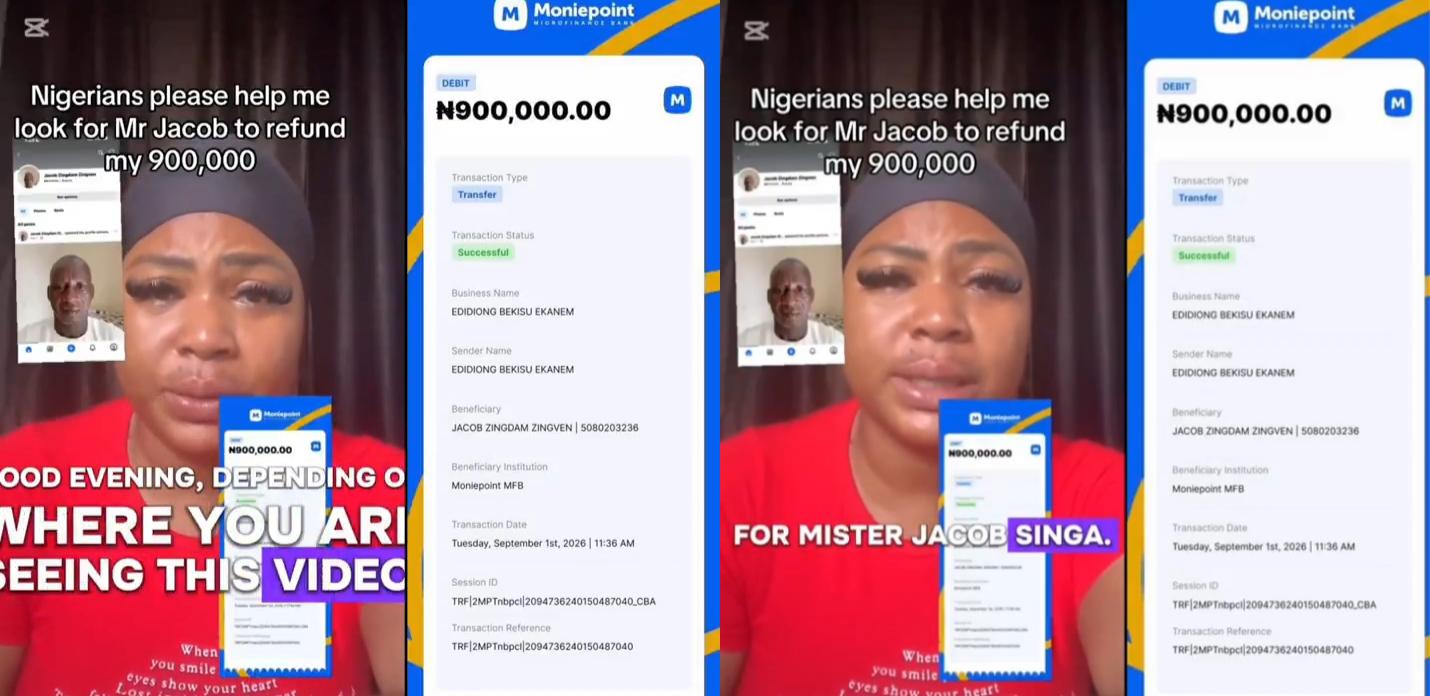
Nigerians went to the polls in Osun State on Saturday amid widespread allegations that the two leading parties bought votes with cash before voters even reached polling units. Video circulating on social media shows some of the activity linked to the allegations.
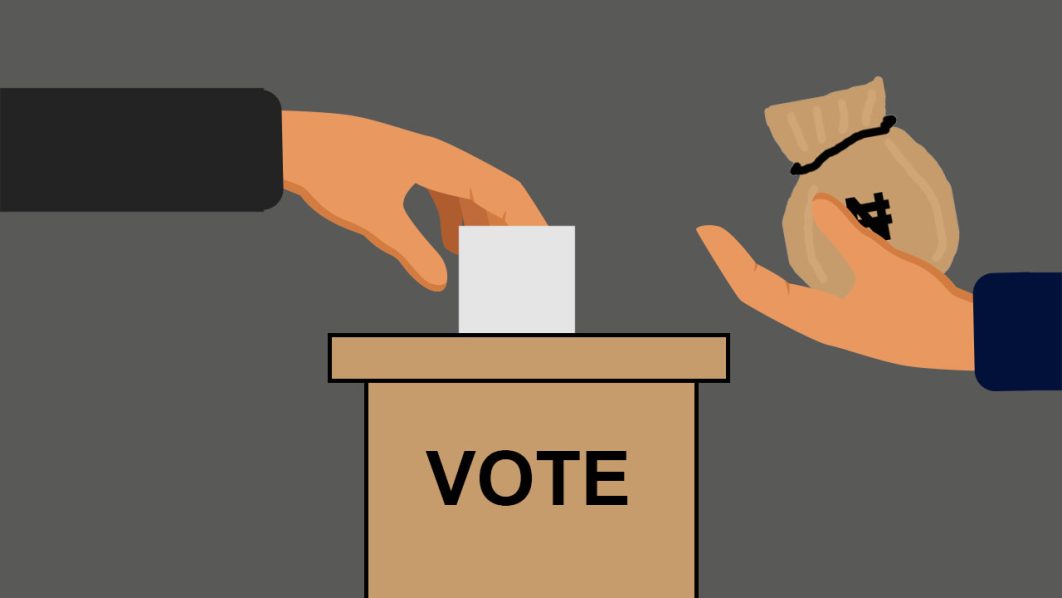
Agents of the All Progressives Congress (APC) and the ruling Accord Party allegedly distributed between ₦10,000 and ₦20,000 to voters across multiple local government areas in the days leading up to the election. According to reports, the practice began as early as Monday, 10 August, six days before the poll, making it one of the earliest vote-buying operations recorded ahead of an election in the state.
How the Alleged Scheme Worked
In some areas, party agents reportedly collected voters’ bank account numbers a week before election day, with plans to transfer cash after ballots were cast. In Ila, headquarters of Ila Local Government Area, residents said APC agents offered ₦15,000 per eligible voter, while Accord agents offered as much as ₦20,000, with one resident saying he and his wife were asked to swear an oath that they would vote for Governor Ademola Adeleke before collecting the money.
In Ikire, the hometown of APC candidate Bola Oyebamiji, both parties reportedly flooded wards with cash, with APC offering ₦15,000 and Accord offering ₦10,000. An anonymous APC chieftain in Iwo Local Government Area said his party had budgeted ₦700,000 for vote-buying in each of 170 polling units across 15 wards, describing the payments as being for “feeding before election day” rather than vote-buying outright.
Not every party denied the allegations outright. In Ilesa West, an APC chieftain said the money distributed to voters was meant to help with transportation to polling units, not to buy votes.
A Tense Backdrop of Violence
The vote-buying allegations emerged against the backdrop of pre-election violence that has already claimed lives. At least eight people were reportedly killed in Ilesa and Esa-Oke ahead of the election, prompting the deployment of soldiers to flashpoints across the state. A civil society tracker separately documented 13 verified fatal incidents of election-related violence in Osun between May and 13 August 2026.
Background: A Recurring Problem in Nigerian Elections
Vote-buying has become a familiar feature of elections across Nigeria in recent years, with INEC and civil society groups repeatedly flagging the practice as a threat to credible polls. In the 2023 general elections, reports of politicians distributing cash and even foreign currency to voters near polling units surfaced in several states, prompting the Central Bank to redesign naira notes ahead of that election specifically to disrupt vote-buying by limiting the cash politicians could stockpile. Despite that intervention, the practice persisted and appears to have resurfaced in Osun on an even larger scale, with agents reportedly starting nearly a week before polls opened rather than waiting until election day itself.
Official Response
The Human Rights Writers Association of Nigeria (HURIWA) has called for the investigation and prosecution of those allegedly financing and organising the vote-buying, describing the practice as “despicable and reprehensible” and warning that it threatens the credibility of Nigeria’s democracy.
Why This Matters for Nigeria
Vote-buying strikes directly at the foundation of democratic elections: the idea that citizens choose their leaders freely, based on their own judgment. When cash changes hands before ballots are cast, the outcome no longer reflects genuine political preference, but the depth of a party’s campaign war chest. This is especially significant for Osun, since the poll is widely seen as one of the last major tests of Nigeria’s electoral system before the 2027 general elections. If vote-buying goes unpunished here, it sets a troubling precedent for how national elections may be contested less than a year from now.
What Can Be Done
Nigeria’s Electoral Act already criminalises vote-buying, but prosecutions remain rare, which weakens the deterrent effect of the law. Stronger, faster investigation by law enforcement, real consequences for party financiers rather than just low-level agents, and continued monitoring by civil society and accredited observers on election day could help curb the practice. Voter education on the long-term cost of selling one’s vote, more visible security presence at polling units to physically prevent last-minute cash handouts, and swift prosecution of confirmed cases would send a clearer signal that the practice carries real risk.
A Democracy Worth Protecting
Every naira handed over for a vote is a small transaction with a large cost: a weakened mandate, a government that may feel less accountable to the people it serves, and a democracy that edges closer to being decided by wallets rather than ballots. Osun’s voters, like all Nigerians, deserve leaders chosen because of what they promise to do in office, not what they paid beforehand. Until vote-buying carries real consequences, allegations like these will likely keep resurfacing at every election cycle.
Published by Ejoh Caleb