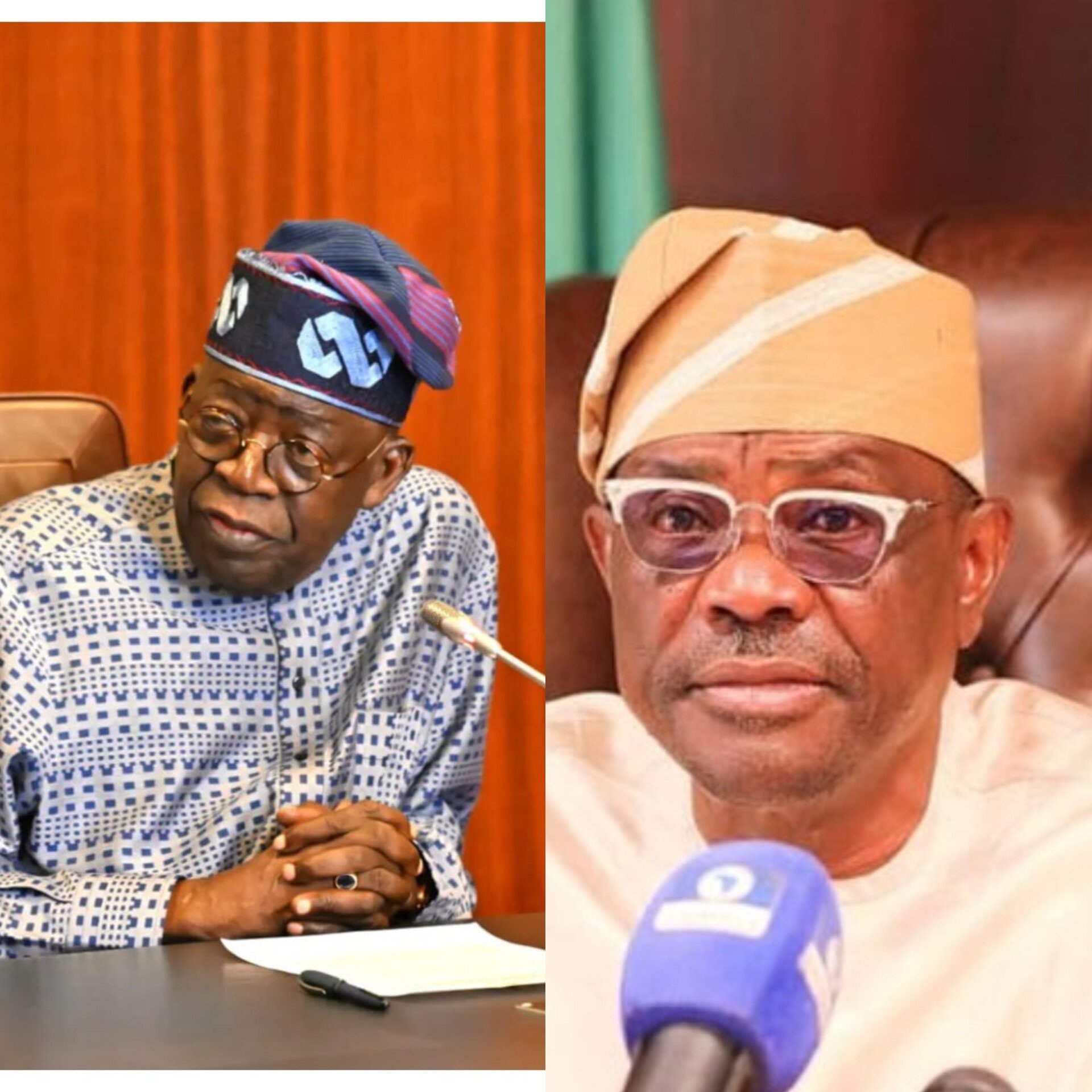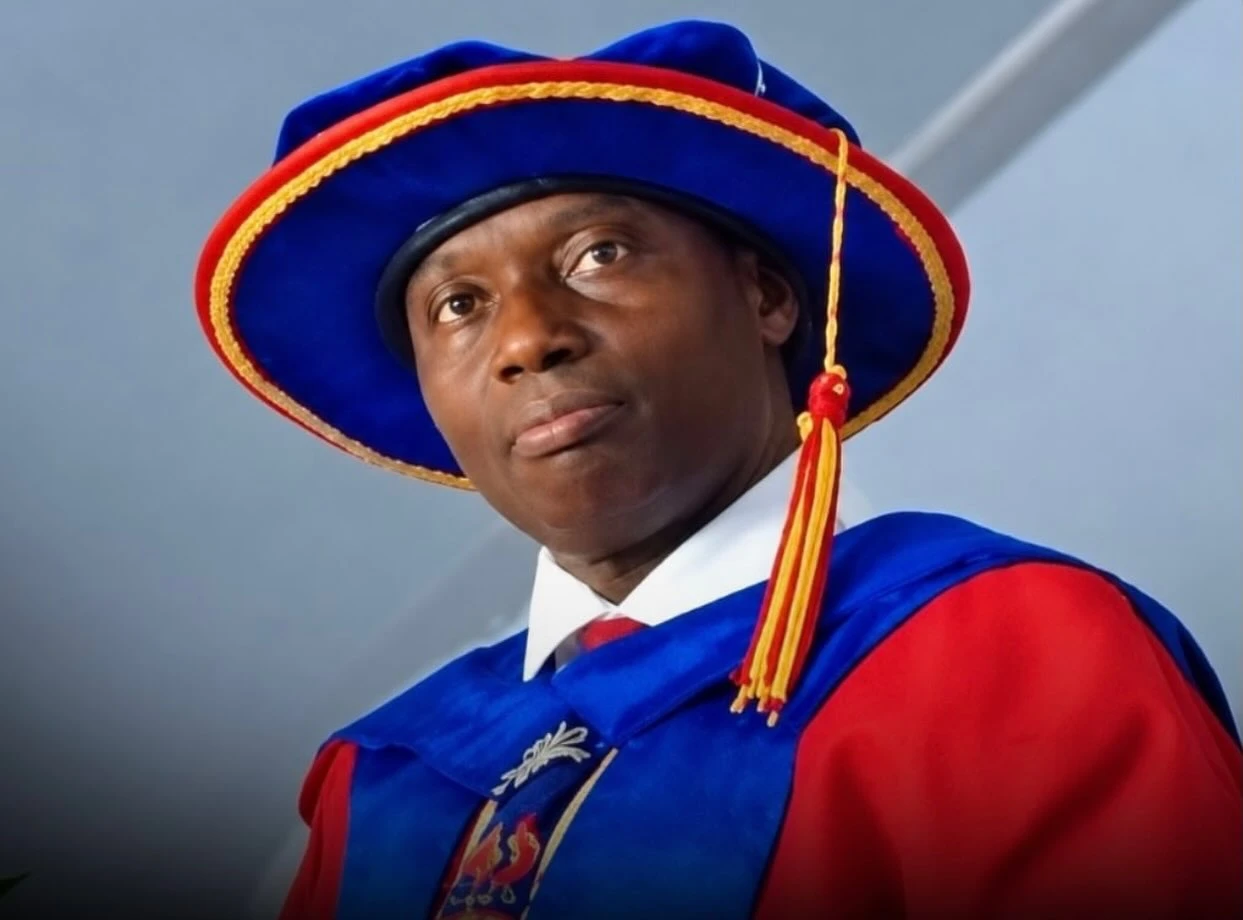
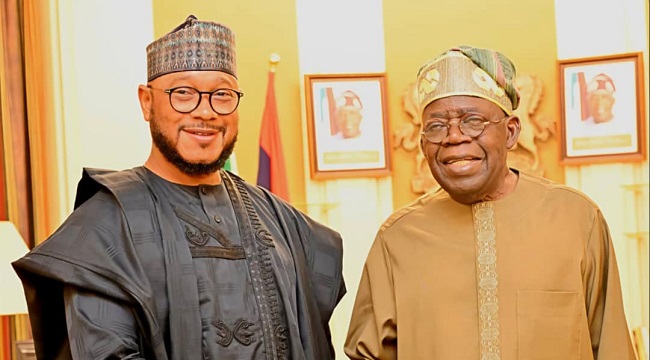
Zamfara State Governor Dauda Lawal has defended President Bola Tinubu’s extended absence from Nigeria, arguing that a “working leave” allows the president to continue governing the country from wherever he happens to be. “When President Tinubu was travelling, he said he was going on a working leave, which means he can be working for the country anywhere he is. That’s why we are investing in technology,” Lawal said. The governor made the remarks while in New York as part of Nigeria’s delegation to the 81st United Nations General Assembly, which Vice President Kashim Shettima is leading in Tinubu’s place.
Tinubu departed Abuja on August 30, 2026, for what the Presidency described as a three-week working vacation, beginning in London before he moved on to Paris, where he met French President Emmanuel Macron and businessman Vincent Bolloré. When the 21-day period lapsed, the Presidency announced on September 21 that the trip had been extended by “a few days” rather than confirming a return date, with spokesperson Bayo Onanuga stating Tinubu had continued directing government business remotely, including ordering an investigation into the deaths of 37 illegal miners in Minna. Minister of Information Mohammed Idris separately described the absence as ordinary “annual leave,” now Tinubu’s third consecutive year skipping the UNGA in person.
A Familiar Argument With a New Face (How Nigeria Has Debated Presidential Absence Before)
Nigeria has fought this exact battle before, though under starker circumstances. Between 2016 and 2018, former President Muhammadu Buhari took repeated medical trips to London, including a 50-day absence in early 2017 and a 104-day stretch later that year, the longest of his presidency, during which Vice President Yemi Osinbajo formally served as acting president. Those absences triggered sustained public anger, with protesters in Lagos, Abuja and London mobilising under the hashtag #ResumeOrResign and demanding Buhari either return to work or step down. Unlike Tinubu’s case, Buhari’s team never framed those absences as “working” trips; the justification then was medical necessity, and critics attacked the state of Nigeria’s own hospitals rather than the president’s productivity while away.
Tinubu’s current situation differs in a specific way: rather than a president attending to an emergency and handing off formal authority, this is being presented as a routine, planned vacation that nonetheless continues past its announced end date without the constitutional handover that Nigerian law requires. That framing, an absence that is neither a declared medical emergency nor a formally transferred presidency, is what has left commentators searching for a category to place it in, and Lawal’s remarks are one attempt to supply that category by leaning on the idea that governing no longer requires physical presence.
Why a Constitutional Deadline Is at the Center of This Argument (The Legal Rule Lawal’s Comment Sidesteps)
The specific legal issue in play is Section 145 of Nigeria’s Constitution, which states that whenever a president intends to be absent or unable to discharge his duties, he must transmit a written declaration to the Senate President and the Speaker of the House of Representatives, at which point the vice president assumes the role of acting president until the substantive president returns. Senate President Godswill Akpabio confirmed this week that Tinubu’s original 21-day leave period has expired without such a formal handover, but insisted the president remains fully in charge regardless, arguing “there is no absence in Aso Rock” because “what he cannot do here, he is doing abroad.” Former Vice President Atiku Abubakar has directly disputed that reading, arguing that once the 21-day window lapses without the required declaration, the Constitution’s Section 145(2) obligates the National Assembly to mandate the vice president to take over, by simple majority vote in each chamber.
This is the backdrop Lawal’s comment steps into. His argument, that modern technology lets a president “work from anywhere,” is not actually a response to the constitutional question at all; Section 145 is not concerned with whether a president can technically respond to emails or approve documents remotely, but with whether formal authority has been properly and visibly transferred during a prolonged absence. Framing the debate around productivity rather than constitutional procedure sidesteps the specific legal complaint Atiku and others have raised.
Why a Ruling-Party Governor Is Defending an Absence Others Are Calling a Breach (What’s Driving the Political Response)
Lawal’s position is also notable given his own political trajectory. He was elected governor of Zamfara in 2023 on the opposition PDP ticket, defeating the APC’s Bello Matawalle, and spent much of his first two years in office publicly pressing the federal government over its handling of banditry in his state, at one point warning that “Zamfara has become the centre of banditry.” In March 2026, Lawal formally defected from the PDP to the APC, citing internal party crises, a move that left the opposition with only two sitting state governors. His defence of Tinubu’s absence six months later, delivered while representing Nigeria at a major international summit, fits a broader pattern of governors who join the ruling party subsequently becoming vocal defenders of the president’s decisions, a dynamic that is not unique to Lawal but is a normal feature of how party loyalty tends to shape public commentary in Nigerian politics.
The pressure Lawal’s comments are responding to is real and growing. Opposition figure Peter Obi has separately calculated that Tinubu spent 196 of 365 days in 2025 outside Nigeria, more time abroad than at home, and used that figure to argue the country faces a genuine leadership gap amid worsening poverty and insecurity. Against that backdrop, a ruling-party governor publicly insisting the president is still effectively working, rather than staying silent on the question, signals that the APC sees the absence as something requiring active political defence rather than something that can simply be ignored.
What Voters Are Actually Owed When a Leader Says He Is “Working From Away” (The Stakes for Accountability)
For ordinary Nigerians, the practical question is not whether Tinubu can technically sign a document or take a phone call from Paris; it is whether the country’s most urgent problems, the banditry Lawal himself once pleaded with Tinubu to address, insecurity, poverty and unemployment, are being managed with the same attention they would receive if the president were physically in Abuja. The Presidency’s own examples of remote “working,” ordering an investigation panel and meeting a French media executive, are real actions, but they are also the kind of high-level, occasional interventions that do not require daily presence, which leaves open whether the routine, hands-on work of governing is happening at the pace it should.
Nationally, arguments like Lawal’s also shape what Nigerians come to expect as normal from their leadership. If “working leave” becomes an accepted, open-ended category that can be extended past its original deadline without triggering the constitutional handover process, it sets a precedent that future presidents, of any party, could invoke the same reasoning to avoid the accountability Section 145 was specifically written to require. That is precisely the constitutional concern Atiku has raised, and it is a different, more structural concern than whether any single presidential trip was well spent.
What Would Settle This More Convincingly Than a Governor’s Reassurance
The clearest way to resolve the current dispute is the one the Constitution already lays out: either the Presidency transmits the formal Section 145 declaration retroactively and lets Shettima serve as acting president for the remainder of Tinubu’s absence, or Tinubu returns immediately, as originally scheduled, closing the question entirely. Akpabio’s insistence that Tinubu remains fully in charge without a formal declaration is a political argument, not a legal resolution, and it leaves the constitutional question technically unanswered rather than settled.
A more transparent alternative, short of resolving the legal dispute itself, would be for the Presidency to publish a specific account of what “working” has actually involved during this extended leave, meetings held, decisions made, memos signed, rather than relying on general assurances from ministers and allied governors that the president remains engaged. That kind of disclosure would let Nigerians judge for themselves whether “working leave” describes genuine governance or simply a more palatable label for an ordinary vacation.
Technology Can Move a Signature. It Cannot Move Constitutional Accountability
We think Lawal’s underlying point, that modern communication tools let leaders stay engaged while travelling, is true as far as it goes. A prime minister or president responding to briefings by phone or video call is a normal feature of modern governance everywhere, not a uniquely Nigerian shortcut.
But we do not think that point actually answers the question being asked. Nobody disputes that Tinubu can technically direct an investigation or meet a foreign leader while abroad; the dispute is over whether a constitutional deadline for formally transferring authority has quietly been allowed to pass. Answering a legal question about accountability with a comment about technology, however sincerely meant, does not make the underlying question go away.
We think Nigerians deserve a direct answer to the constitutional question Atiku has raised, not a reassurance about productivity from a governor speaking on the sidelines of a summit the president himself is not attending. Until that answer comes, “working leave” will remain less a description of how Tinubu is governing and more a phrase doing quiet work to avoid a debate the Constitution says should already be settled.
Published by Ejoh Caleb