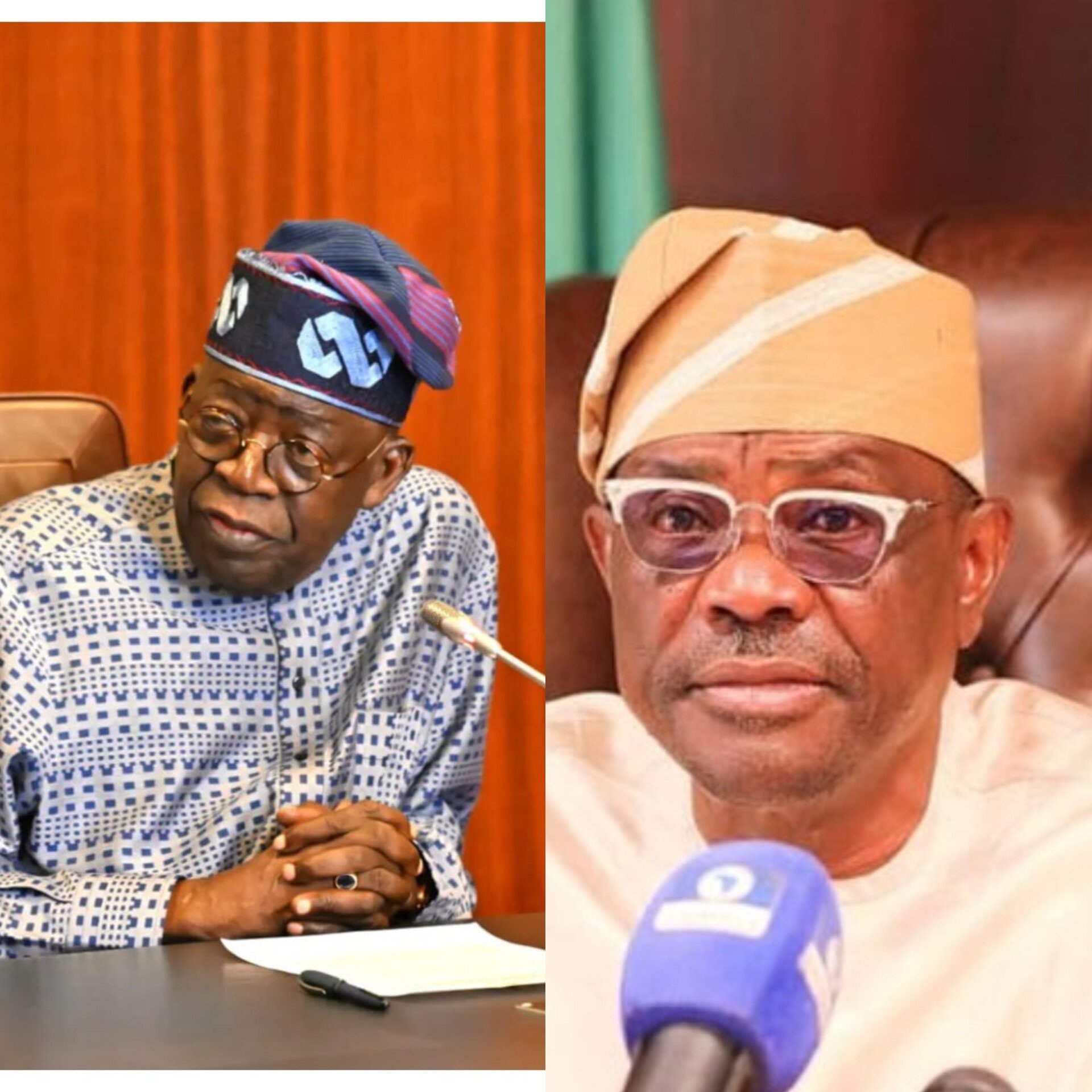
The Minister of the Federal Capital Territory (FCT), Nyesom Wike, has said he will resign from his post if President Bola Tinubu loses the FCT and Rivers State in the 2027 presidential election. He made the pledge on Wednesday, September 30, while meeting members of the Apo Mechanics and Traders Association in Abuja.
He said his stay in office depends on his ability to deliver political results for the president. “If I cannot deliver where I work, then I’m not worthy to be here,” he said.
A date and a deadline (what exactly he promised)
Wike tied the pledge to a date. He said the presidential election is scheduled for January 16, 2027, and that he would announce his resignation by January 17 if the president loses.
He explained that the FCT is where he works and Rivers State is his home state, so he should be held responsible if the president fails to win in both. Most reports say the pledge covers a loss in both places. One outlet wrote that he would resign if Tinubu loses either, so the exact wording is worth checking against the video.
Building a coalition in the capital (Wike’s plan for the FCT)
A coalition is an alliance of different parties working together. Wike said the administration is building a multi-party coalition in the FCT and is backing Senate aspirant Philip Aduda and named House candidates for Tinubu’s re-election.
The pledge comes at a time of tension inside the ruling party. Wike, who says he supports Tinubu through what he calls a Rainbow Coalition, is reported to be at odds with some All Progressives Congress (APC) governors. They have said they will not support any arrangement that could harm the party’s chances in 2027.
What happened in these two places last time (the 2023 record)
The 2023 results show why he chose these two places. In the FCT, Labour Party candidate Peter Obi won with 281,717 votes. Tinubu came second with 90,902 votes. Tinubu therefore lost the capital in 2023, a few months before Wike became the minister in charge of it.
In Rivers, INEC declared Tinubu the winner with 231,591 votes against Obi’s 175,071. Atiku Abubakar came third with 88,468. Wike was the state governor at the time and, though a member of the Peoples Democratic Party (PDP), backed Tinubu. Wike has credited the result to the political structure he controlled then.
That result remains disputed. Obi’s supporters claim he won the state. Premium Times reported a tally of polling unit results from Obio-Akpor, Wike’s home council area, which differed sharply from the declared figures. Wike has denied wrongdoing and says the claim has no basis.
There is also a lesson about home bases. In 2023, Obi won Lagos State, Tinubu’s own home state, by a margin of under one per cent. A leader’s strength at home does not guarantee victory.
A promise with political purpose (what drives the pledge)
The pledge serves several goals. It shows loyalty to the president ahead of the campaign. It challenges doubters who question whether Wike still controls Rivers, where his influence is now tested. And it puts pressure on local leaders and voters in the FCT to deliver results.
It also sets a clear test. By naming a date, Wike has made his promise easy to measure. If Tinubu wins both places, the pledge costs him nothing. If he loses, everyone will remember what was said.
Stakes for voters and the country (effects of the pledge)
For the FCT, the vote will be a judgment on Wike’s work as minister, including roads, hospitals and services. For Rivers, it will test how much of his political network remains since he left the governor’s office.
At the national level, the pledge keeps attention on the Rivers political situation and on the state of the ruling party. Open disputes between a minister and some party governors can create confusion about who speaks for the party. They can also make the campaign more about personalities than policies.
Keeping politics tied to performance (what parties and voters can do)
Political leaders can back their promises with clear plans, and explain what “delivering” an area means. Parties should settle their disagreements in the open, so voters are not left guessing. The Independent National Electoral Commission (INEC) should make sure results are accurate and quickly published, so disputes like the 2023 Rivers controversy do not repeat.
Voters, for their part, can judge officials by what they have done and not only by what they promise. A pledge to resign is easy to make. The real question is whether services and policies have improved.
A pledge is a test, and the voters are the judges
We note that a minister who ties his job to an election result is taking a public risk, and that is a form of accountability. We also note what the pledge does not promise. By most accounts, it applies only if Tinubu loses in both places, and it says nothing about other states.
In the end, the decision rests with voters in Abuja and Rivers. Their choice should be free, fair and based on how they judge their own leaders. If Nigeria’s leaders staked their positions on results more often, they would have more reason to work for the people who vote. The real test comes on January 16, 2027, and we will be watching to see whether the promise is kept.
Published by Ejoh Caleb