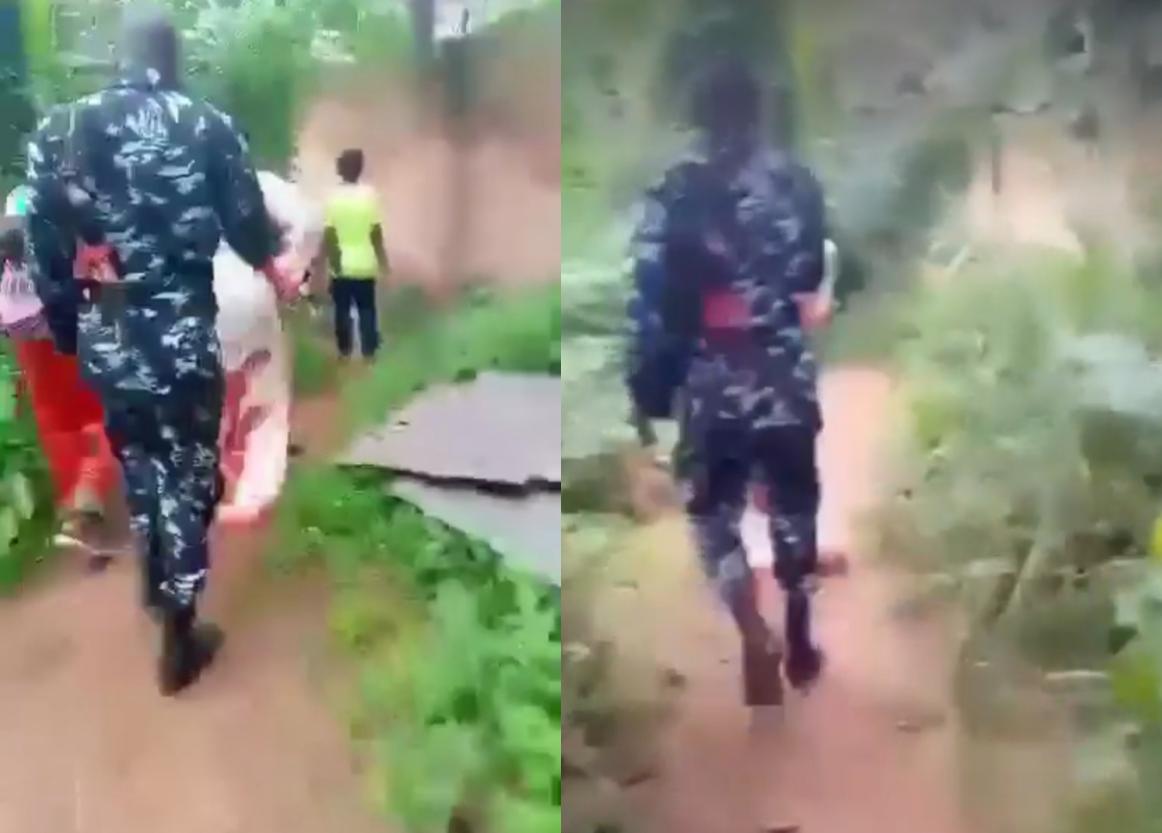
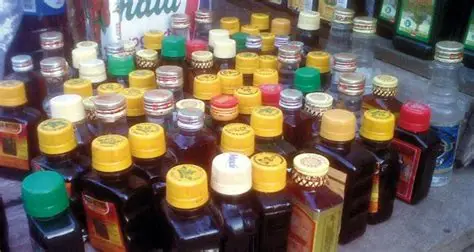
The death toll from a suspected poisoning linked to locally brewed alcoholic and herbal drinks in Odigbo Local Government Area of Ondo State has risen to 29, with 60 suspected cases recorded overall.
Ondo State Commissioner for Health, Dr Banji Awolowo Ajaka, said three of those affected remain on hospital admission while 27 others are under medical observation. He disclosed that 95 percent of those affected are males aged between 16 and 55, with cases concentrated in New Town, Odole, Okele, Orita Odigbo, and Araromi-Obu communities.
Victims reportedly experienced headaches, body pain, visual disturbance, difficulty breathing, and altered consciousness, with some deteriorating rapidly. Preliminary findings have ruled out viral and bacterial infections, with investigators suspecting some victims consumed alcohol mixed with an unidentified substance, possibly methanol, a highly toxic industrial chemical unfit for human consumption.
The state government has banned the production and distribution of local alcoholic drinks in the affected areas, withheld the bodies of victims pending autopsy, and sought a coroner’s inquest into the deaths, while warning that anyone found to have deliberately produced, adulterated, or distributed the poisonous substance will be held accountable under the law.
A Decade Later: Ondo’s 2015 Poisoning Crisis Returns to Haunt the State
This is a painful repeat of history for Ondo State. In April 2015, at least 23 people died in Ode-Irele, an Ikale community in the same state, after consuming “ogogoro,” a local gin, contaminated with methanol. Victims reported severe headaches before going blind and dying within 24 hours in some cases.
That same year, the crisis spread to Rivers State, where communities in Bonny and Bodo recorded a wave of deaths from methanol-laced local gin. By the time the outbreak was brought under control, national reporting put the combined death toll from that 2015 crisis at around 70 to 99 people, prompting a federal ban on the consumption of local gin nationwide. Laboratory analysis at the time, conducted by the World Health Organization and Nigeria’s food and drug regulator, NAFDAC, found the contaminated batches contained methanol concentrations far above safe levels.
More than a decade later, the same warning signs, herbal or alcoholic drinks of unverified origin, sudden clusters of illness, and eventual confirmation of methanol poisoning, have resurfaced in Ondo, raising the question of what, if anything, changed in the intervening years.
Cheap, Unregulated, and Deadly: Why Methanol Keeps Ending Up in Local Drinks
Methanol contamination in traditionally brewed drinks typically happens for one of two reasons: unintentional contamination during poor-quality distillation, or deliberate addition by producers seeking to cut costs or increase a drink’s potency cheaply, since methanol is far less expensive than the ethanol found in safely distilled alcohol. Nigeria’s illegal gin trade has historically operated with little regulatory oversight, and small-scale producers are often difficult for authorities to monitor or license consistently.
For victims, the human cost is devastating and often irreversible: reports from the 2015 outbreak described survivors left permanently blind, along with lasting damage to the liver, brain, nervous system, and heart. For families in Odigbo today, that same devastating toll is unfolding again, this time claiming mostly young and middle-aged men who make up the overwhelming majority of the dead.
Beyond the immediate community, repeated mass-poisoning events like this damage Nigeria’s public image internationally. The United Kingdom recently issued a health warning to travellers regarding dangerous alcoholic drinks in Nigeria and other countries, a reminder that these incidents do not stay a purely local concern once they make international headlines.
A Livelihood Question Behind the Crackdown: What Happens to Local Distillers?
Bans on local gin production, however necessary for public safety, carry a real economic cost for the communities that depend on the trade. After Nigeria’s 2015 ban, some local distillers openly defied the restriction, arguing that their traditionally made product, sourced directly from palm sap rather than mixed with industrial chemicals, was safe, and blaming unlicensed producers using shortcuts for the contamination. This tension between public safety enforcement and the livelihoods of small, often unlicensed producers has never been fully resolved, and is likely to resurface as Ondo State enforces its fresh ban.
Regulating a Deadly Industry: What Could Prevent the Next Outbreak
Consistent, well-resourced monitoring of local drink production, not just responding after deaths occur, would help catch contaminated batches before they reach consumers. Simple, low-cost methanol testing kits, distributed to community health centres in areas where local gin production is common, could allow for early detection of dangerous batches.
Public awareness campaigns explaining the specific dangers of methanol, rather than general warnings against “unregulated drinks,” could help residents recognise early symptoms and seek help sooner. Clear, consistently enforced licensing and penalties for producers who cut corners with dangerous chemicals, distinct from blanket bans that also hurt safe small-scale producers, would address the actual source of contamination rather than punishing an entire trade.
Our Grief for a Preventable Tragedy Nigeria Has Seen Before
We find it devastating that Nigeria is grieving nearly the same tragedy it grieved over a decade ago, in the same state, from the same poison, killing mostly young men in the prime of their lives. Twenty-nine deaths and counting is not just a statistic; it is 29 families whose loss might have been preventable if the lessons from 2015 had been fully acted on.
We also believe this cannot be allowed to fade from public attention once the immediate outbreak is contained, as arguably happened after 2015. Nigeria needs a lasting system for monitoring locally produced alcohol, not a cycle of bans and warnings that lapses until the next community pays the price with their lives.
Published by Ejoh Caleb