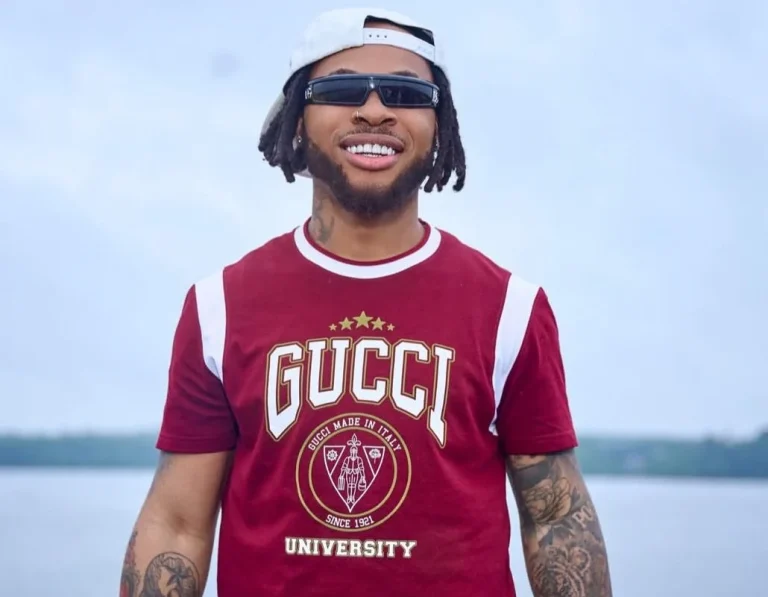
Nigerian dancer and entertainer Iweh Odinaka, popularly known as Poco Lee, has been granted bail in the United Kingdom ahead of his appearance at Snaresbrook Crown Court on Tuesday, September 15, 2026.
According to reports, the court confirmed in an email on Monday that Poco Lee was granted bail on September 11. “The Defendant has been granted bail on the 11th September 2026,” the court stated, adding that “There is a plea and trial preparation hearing on the 15th September 2026.” The Crown Prosecution Service separately confirmed the case remains active: “This case is still live, and Odinaka is still set to appear for a PTPH at Snaresbrook Crown Court on 15 September 2026.”
Poco Lee faces five sexual offence charges: one count of attempted rape, two counts of rape, and two counts of assault by penetration. He has not been convicted of any offence, and the allegations remain to be determined by the court. A reporting restriction remains in place under Section 1 of the UK’s Sexual Offences (Amendment) Act 1992, protecting the identity of the complainant.
The charges relate to an alleged incident reported to have occurred in Tower Hamlets, east London, on July 23, shortly after Poco Lee travelled to the UK for the Davido and Friends concert at Crystal Palace Bowl on August 14. He first appeared before Thames Magistrates’ Court on August 18, after which the case was transferred to Snaresbrook Crown Court. Tuesday’s hearing is a plea and trial preparation hearing, where he is expected to formally enter a plea, not the trial itself.
A Wider Pattern: Other Nigerians Facing Sexual Offence Prosecutions Abroad
Poco Lee’s case has drawn renewed attention to a broader pattern of Nigerians facing sexual offence prosecutions in courts abroad in recent months. In the UK, Olukanyinsola Odebode was handed a 12-year extended sentence by Swansea Crown Court in August after being convicted of rape and two counts of assault by penetration, with reports indicating seven other women had separately raised concerns about his conduct since 2019. Obinwa Obichukwu, a Nigerian resident in Hertfordshire, was sentenced to two years by Inner London Crown Court in July after conviction on two counts of sexual assault, alongside a 10-year Sexual Harm Prevention Order. In November 2024, Tosin Dada and Solomon Ibukun Adebiyi were each sentenced to 14 years by Northampton Crown Court after being found guilty of offences involving a 17-year-old girl.
Beyond the UK, cases have surfaced in the United States and elsewhere. Anthony Odiong, a Nigerian-born Catholic priest and naturalised US citizen, was sentenced to life imprisonment in Texas in June after conviction on sexual assault offences involving women under his spiritual care. In Maryland, Theophilis Anwana was convicted of second-degree assault in August 2025 and sentenced to 20 years. In The Gambia, a Banjul High Court sentenced Nigerian national Moses Ukwai to life imprisonment in March after his conviction for assaulting a seven-year-old girl.
Each of these cases is legally distinct and unrelated to Poco Lee’s, but together they form the backdrop against which his prosecution is being publicly discussed and compared in Nigerian media.
What Happens Next, and What This Case Means Beyond One Entertainer
For Poco Lee personally, Tuesday’s hearing is a significant procedural step: entering a plea will set the direction of the case, whether toward a trial date or a different resolution. Being granted bail means he is not currently in custody, though the terms of that bail have not been publicly detailed.
Beyond the individual case, high-profile prosecutions like this one shape international perceptions of Nigerian travellers and entertainers abroad at a time when Nigerian music and entertainment exports are increasingly visible on global stages. How cases like this are reported and resolved can influence both public trust in due process and broader conversations within the Nigerian community abroad about accountability.
Due Process and Community Solidarity Amid a Presumption of Innocence
The case has generated visible reactions within the Nigerian community in the UK. Benjamin Kuti, founder of the Community of Nigerians in the United Kingdom and known as the Oluomo of Derby, confirmed he intended to attend proceedings in support of Nigerians involved in UK legal matters generally, without commenting on guilt or innocence in this specific case.
At the same time, separate and unrelated to the UK charges, a US-based Nigerian rapper, Ms Jorji, has publicly alleged that Poco Lee attempted to sexually assault her and her girlfriend during a visit to his home in Dallas roughly two years ago. Poco Lee’s management has denied related claims that circulated alongside these allegations, specifically rejecting accusations of drink-spiking. None of these separate claims form part of the UK charges currently before Snaresbrook Crown Court, and none have been tested in any court.
This mix of formal charges, unrelated public allegations, and community reactions illustrates the difficulty of covering a case like this responsibly: the legal presumption of innocence applies fully to the UK charges, even as public conversation around the case has moved well beyond the specific allegations before the court.
What to Expect as the Case Moves Toward Trial
Tuesday’s plea and trial preparation hearing will likely determine the next major milestone in the case, whether that is a trial date, further preliminary hearings, or another outcome depending on the plea entered. Given the reporting restriction protecting the complainant’s identity, responsible coverage going forward will need to continue relying only on confirmed statements from the court and the Crown Prosecution Service, rather than unverified claims circulating on social media.
Our Position: A Fair Process for Everyone Involved
We think it is important to state plainly what is and is not yet known: Poco Lee faces serious charges, he has not been convicted, and the legal process is ongoing. Both the presumption of innocence he is entitled to and the protections in place for the complainant deserve to be respected as this case proceeds.
We also think the wider pattern of similar cases involving Nigerians abroad, regardless of how each individual case is ultimately resolved, is worth Nigerians paying attention to, not to prejudge anyone, but because it raises real questions about accountability, due process across different legal systems, and how public figures conduct themselves while representing Nigeria on international stages. We will continue to follow this case and report on confirmed developments as they emerge from the court.
Published by Ejoh Caleb