
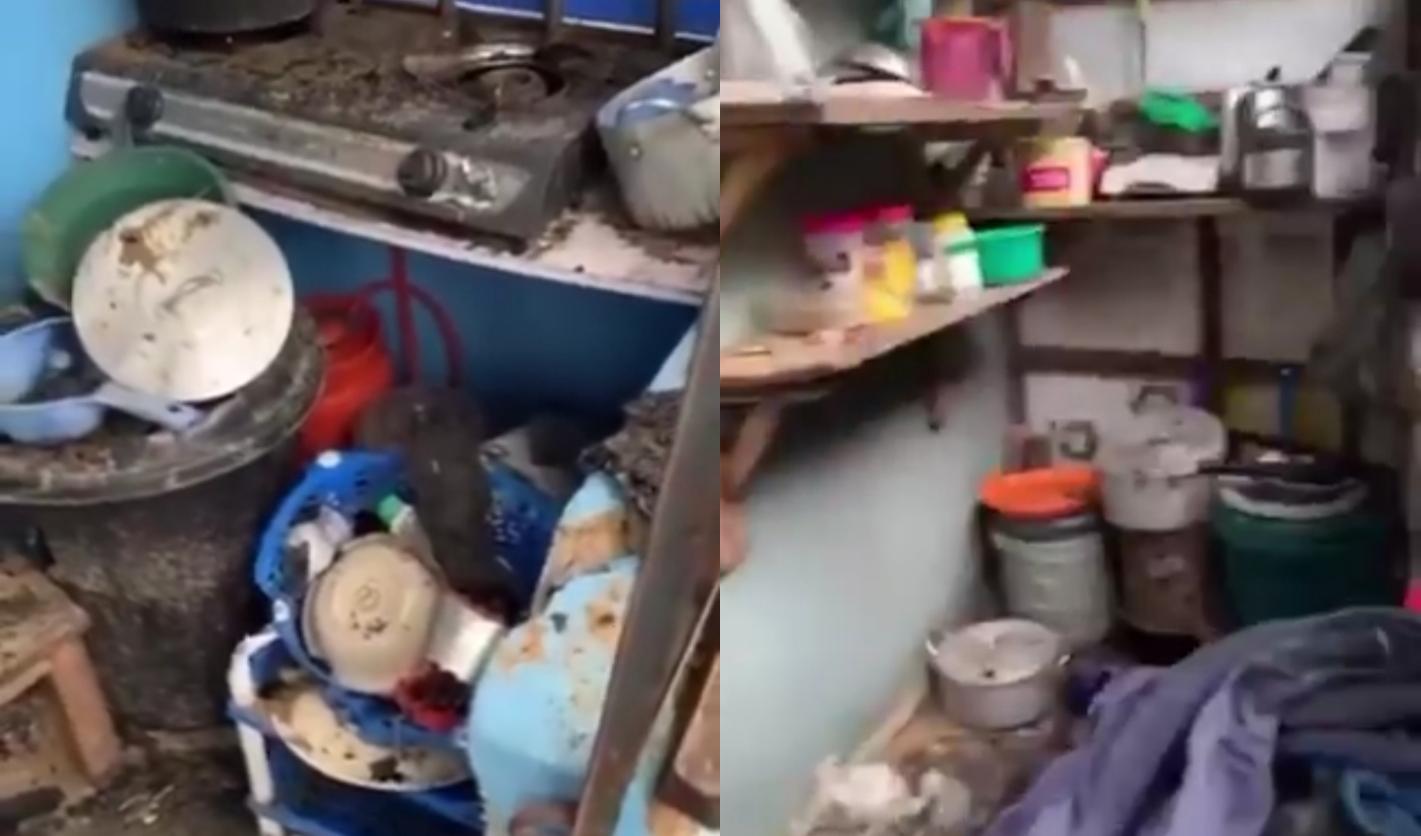
A woman has died after a fire broke out in a residential building in Uyo, the Akwa Ibom State capital, in the early hours of Monday. She has not yet been identified. A male occupant escaped the blaze, but accounts of what actually happened inside the building differ, and police have not yet settled on one version.
What Police Have Confirmed
The Akwa Ibom State Police Command has confirmed that a fire broke out around 4:30 a.m. on Monday, July 20, 2026, at a residential building on Nabor Street, off Ikpa Road, in Uyo. Police spokesperson, Deputy Superintendent Timfon John, verified the incident to reporters.
One woman lost her life in the fire. Her body has been evacuated to a mortuary, and she remains unidentified as at the time of this report. A male occupant of the building escaped, while a second man, said to be a tenant and student, was injured and taken to hospital for treatment.
Two Different Stories, One Fire
Beyond those bare facts, reports diverge. One account says the woman had accompanied a man home after they met at a nightclub in Uyo that night, and that he escaped the fire while she was trapped inside.
A separate account gives a different picture entirely. It names the surviving male occupant as a university student and reports that residents blamed the fire on an electric scooter battery that had been left charging overnight in one of the apartments. The landlady of the compound, a 64-year-old widow, said she was woken by thick smoke coming from the roof and heard the student shouting for help.
Because these two accounts do not agree on the cause of the fire or clearly refer to the same set of people, it is not yet possible to say with certainty how the fire started or exactly what happened before it broke out. Police say investigations are ongoing.
Fire Outbreaks Are a Recurring Problem in Uyo
This is not an isolated case for the city. In May, a fire razed sections of a popular market in Uyo, destroying goods worth several million naira. Across Nigeria more broadly, fires linked to poor electrical wiring, unsafe use of generators, candles and, increasingly, lithium-ion batteries in phones and electric scooters, remain a leading cause of residential fire outbreaks, especially in areas with unstable electricity supply.
On Christmas Eve, a fire tore through the 25-storey Great Nigeria Insurance (GNI) building on Martins Street, Lagos Island, killing eight people and injuring 13 others. Lagos State Governor, Babajide Sanwo-Olu, said the fire spread partly because of reckless disregard for building safety rules, noting that he personally counted over a dozen industrial generators placed on the building’s fourth and fifth floors. The building later suffered a partial collapse and was ordered demolished.
In Yaba, Lagos, a 22-apartment building was completely destroyed after a candle, lit by a family during a month-long power outage, was left unattended. Fifteen university students lost their belongings and academic documents in the fire, and only a dog died, though residents said the local fire service was slow to respond.
More broadly, researchers tracking fire incidents across Nigeria recorded 68 major fires and 79 deaths within an 18-month period between 2019 and 2021, with markets, offices and residential buildings all affected.
A recurring thread in these cases is carelessness with sources of heat or electricity, whether it is an unattended candle, an overloaded generator, or, as one version of the Uyo fire suggests, a battery left charging overnight, combined with weak enforcement of building and safety regulations.
Causes and Effects
Possible causes in cases like this typically include faulty electrical wiring, unsafe charging of batteries (including phone and e-scooter batteries) overnight, open flames left unattended, or a combination of these. Until investigators confirm what happened in this specific case, no single cause should be treated as certain.
Effects on the family and community are immediate and painful. A woman has lost her life and remains unidentified, meaning her family may not yet know what happened to her. The landlady of the affected building said the destroyed apartments were her only source of income, showing how a single fire can wipe out someone’s livelihood in minutes.
Effects on Nigeria as a country show up in the bigger pattern behind such tragedies. Recurring residential fires point to gaps in electrical safety standards, poor emergency response infrastructure in many Nigerian cities, and low public awareness about the risks of overnight battery charging, a habit that is becoming more common as electric scooters and power banks spread. Each fire death also adds pressure on already stretched public health and emergency services.
Possible Solutions
Faster identification processes. Authorities could work with hospitals, community leaders and social media to help identify unidentified victims more quickly, so families are not left in the dark.
Public safety awareness on battery charging. Simple public campaigns on the risks of charging phone and scooter batteries unattended overnight could reduce a growing category of fire incidents.
Stronger housing and electrical safety inspections. Many residential buildings in Nigerian cities are not routinely checked for electrical safety, and local governments could introduce basic, affordable inspection schemes for rented apartments.
Responsible reporting. Cases like this show why journalists and the public should be careful about repeating unverified details, especially ones involving named individuals, until police or credible sources confirm them.
Our Take
What strikes me most about this story is not just the tragedy of a life lost, but how quickly an unverified detail, in this case, a claim involving a nightclub meeting, can spread and shape how a story is told before all the facts are in. A woman is dead, a man is unidentified beyond his survival, and the actual cause of the fire is still unclear. Until police complete their investigation, the responsible thing is to report what is confirmed and be transparent about what is not, rather than lock in a version of events that may turn out to be wrong. I will update this piece as soon as police release further findings.
Published by Ejoh Caleb