Barely a day after President Bola Tinubu departed for a three-week vacation in Europe, his leading political rival has publicly attacked the timing of the trip, turning a routine presidential holiday into a fresh flashpoint ahead of the 2027 election.
What happened?
Tinubu left Abuja on Sunday, August 30, for a three-week annual leave, with London as his first stop before other parts of Europe. Presidential aide Bayo Onanuga said the break would allow the president to rest after months of intense state matters, while another adviser, Sunday Dare, described it as a chance for Tinubu to “refuel.”
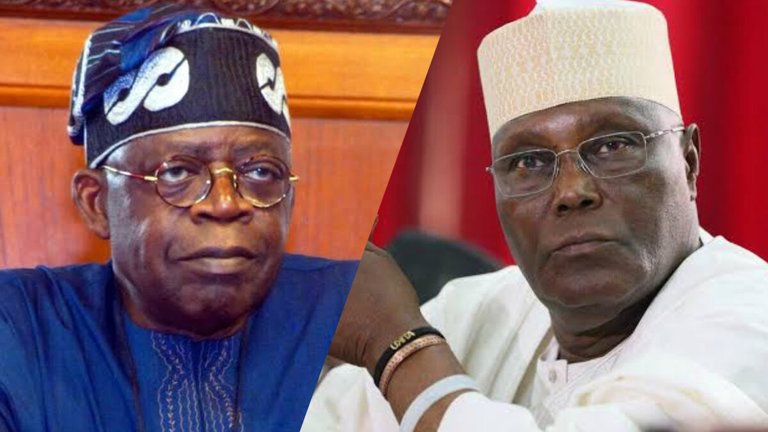
African Democratic Congress (ADC) presidential candidate Atiku Abubakar reacted on Sunday, arguing that while Nigeria was not facing a constitutional crisis, the country was facing what he called a troubling gap in political leadership. He pointed to high fuel prices, food insecurity, rising transport costs, and ongoing insecurity as reasons the president’s presence was needed at home, and noted that Vice President Kashim Shettima was also abroad at the time, attending an African Union summit in Angola. Separately, the ADC’s Yari has called on the president to account for a reported ₦15.8 trillion subsidy windfall.
By Monday, Shettima had returned to Nigeria after wrapping up his own trip to the AU summit in Luanda, Angola, easing some of the concern over both of the country’s top leaders being away from home simultaneously.
Why does this keep coming up?
This is not the first time Tinubu’s foreign trips have triggered questions about who is formally in charge. Nigeria’s constitution allows a president to transmit power in writing to the vice president whenever he travels, something Tinubu has not done during any trip since taking office in May 2023, unlike his predecessor Muhammadu Buhari, who regularly handed over to then-Vice President Yemi Osinbajo. In October 2024, when Tinubu and Shettima were both away at once, the presidency responded to public concern by naming interim leaders to reassure Nigerians there was no leadership vacuum.
Causes and effects
For Atiku and the ADC, criticising the trip’s timing is also a political opportunity — a chance to contrast their own message with the president’s, more than a year ahead of the 2027 election. For ordinary Nigerians, the louder issue is less about constitutional technicalities and more about optics: a president holidaying abroad while fuel prices, food costs and transport fares squeeze households at home.
Nationally, the repeated back-and-forth over foreign trips and who is “in charge” distracts from governance debates and deepens political polarisation ahead of a tightly contested election season, even when, as officials insist, day-to-day government business continues without interruption.
What can be done?
Governance experts continue to recommend that Nigerian presidents formally transmit power in writing whenever they travel, exactly as the constitution allows, so that leadership questions do not resurface every time the president leaves the country. Clearer, more proactive communication from the presidency — rather than reactive statements once criticism mounts — could also reduce the political noise around routine travel.
Final Word
Presidents are entitled to rest, and this trip, on its own, is not the crisis some are making it out to be — especially now that Shettima is back on Nigerian soil. But the recurring pattern is telling: every time Tinubu travels, Nigerians are left guessing about the chain of command until the presidency is forced to explain itself. A simple, formal transmission of power each time would settle the question before it becomes one.
Published by Ejoh Caleb