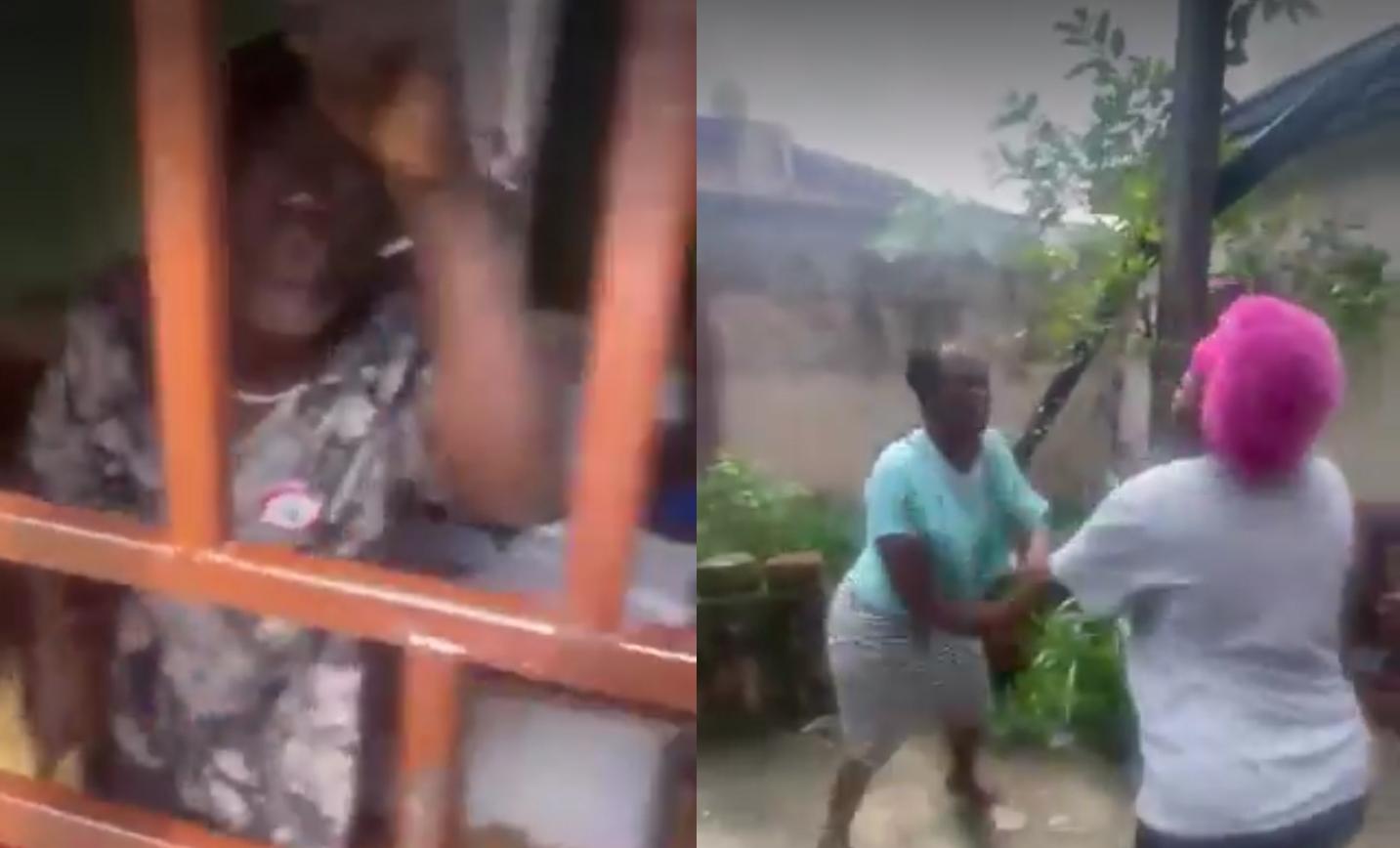
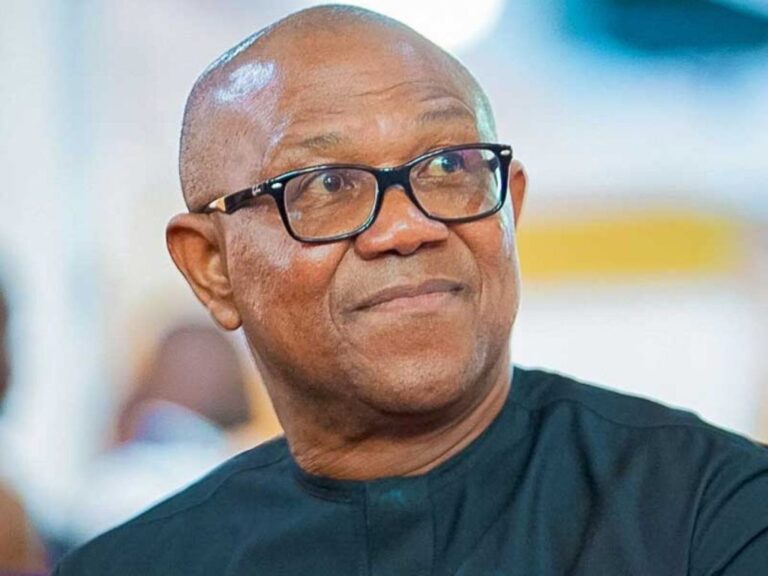
Tension broke out in Benue State on Tuesday after the convoy of presidential candidate Peter Obi was blocked along Boko Road near the Nigerian Air Force Base in Makurdi, preventing him from reaching Yelwata, where he had planned to console survivors of a mass killing. Separately, protesters chanting “we don’t want Peter Obi” barricaded the same road earlier that day, halting traffic as Obi continued his engagements in the state capital.
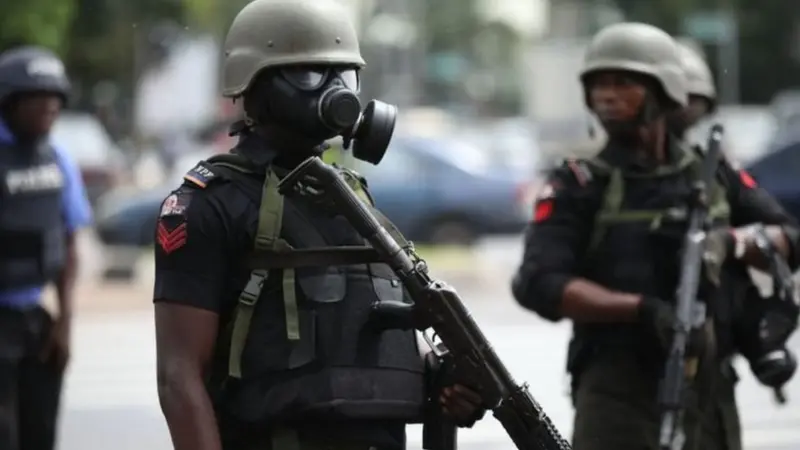
Obi’s media aide, Esther Umoh, alleged in posts on X that “sponsored thugs” had blocked the route, and that security personnel were also preventing Obi from proceeding. Obi himself, speaking at the scene, said he had been told that youths allegedly sponsored by the state government were behind the blockade, calling the obstruction “totally unacceptable” given that he had come to sympathise with a community in mourning. As of the time of reporting, neither the Benue State Government, Governor Hyacinth Alia’s office, nor the state police command had publicly responded to the allegations.
Why Obi Went to Benue: The Yelwata Massacre
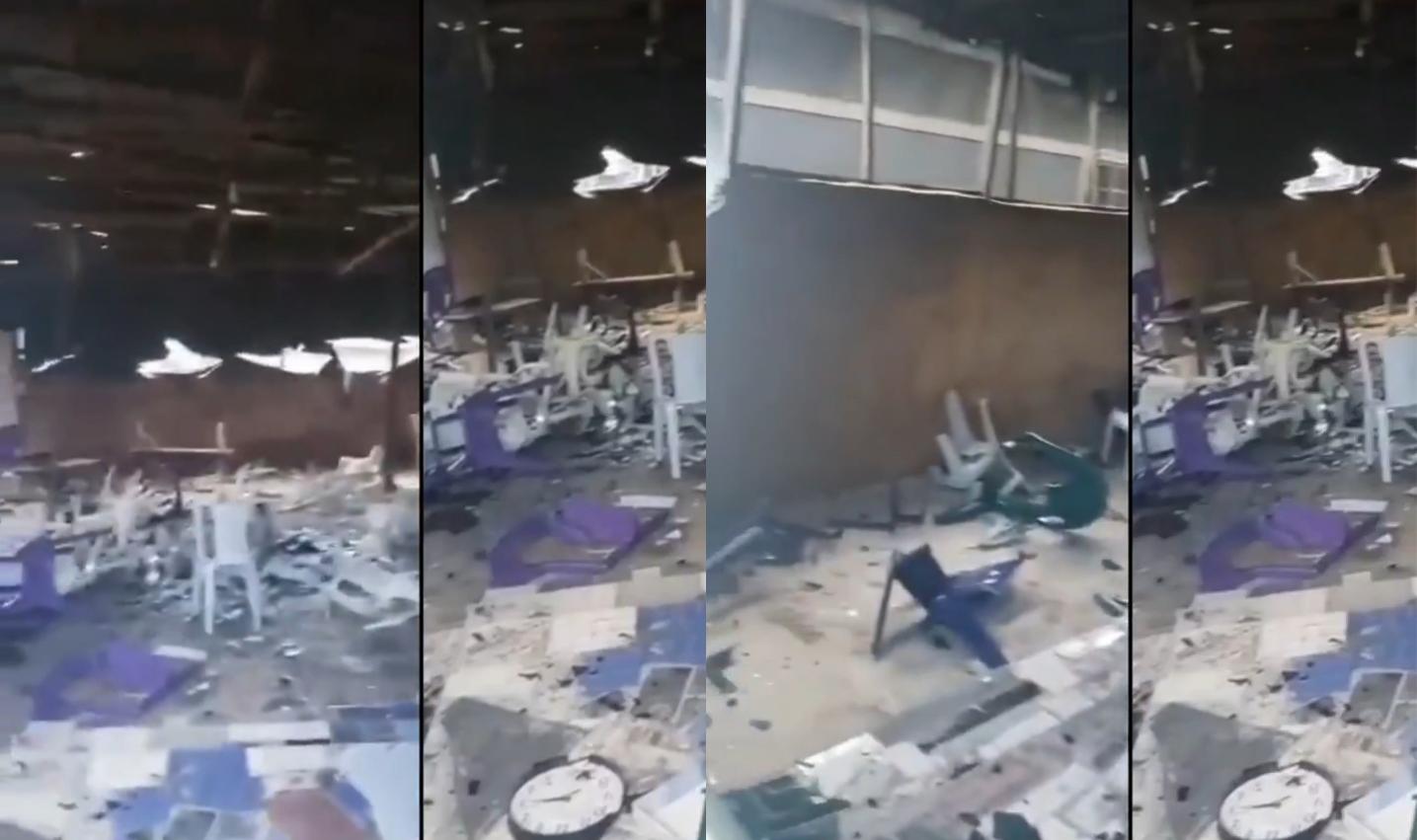
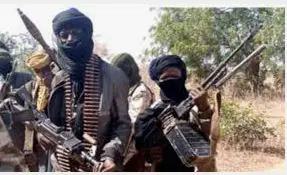
Obi’s visit was intended as a condolence call to Yelwata, a farming community in Benue’s Guma Local Government Area, where more than 150 people, many of them internally displaced persons sheltering in makeshift shelters, were killed in an overnight attack by armed assailants in June 2025. Nine suspects linked to the attack are currently facing a 57-count terrorism charge before the Federal High Court in Abuja, with prosecutors alleging the attackers held planning meetings, raised funds and recruited fighters across several states before the assault. Obi has made previous solidarity visits to communities affected by similar attacks in Benue, including Otukpo-Nobi and Efeyi-Ugboju, where he has publicly criticised the government’s handling of insecurity in the region.
A Governor Under Pressure From More Than One Direction
Governor Hyacinth Alia, a former Catholic priest who won Benue’s governorship in 2023 on the platform of the All Progressives Congress (APC), has faced mounting criticism over insecurity in the state well before Tuesday’s incident. Earlier this year, a group of governorship aspirants from his own home area publicly declared their intention to oppose his re-election bid in 2027, citing what they described as poor governance and worsening insecurity despite what they called significant financial inflows to the state. Analysts have noted that Obi’s repeated high-profile visits to Benue’s displaced and grieving communities have increasingly put him at odds with state authorities, who have in the past warned against unapproved political gatherings at IDP camps.
Why an Obstructed Convoy Matters Beyond One Road
Whatever the precise cause of Tuesday’s blockade, be it spontaneous local opposition to Obi’s visit, security caution, or a coordinated effort as his camp alleges, the incident lands at a politically sensitive moment. Benue remains a state still processing the trauma of one of Nigeria’s deadliest recent attacks, and any perception that grieving communities are being shielded from outside solidarity, for whatever reason, risks deepening public distrust in state authorities already facing criticism over their security record.
For Obi and the NDC, the incident, regardless of its cause, generates the kind of viral attention that can shape public sympathy ahead of 2027, particularly among Nigerians already frustrated by insecurity in the Middle Belt. For Governor Alia, unanswered allegations that his government mobilised thugs against a presidential candidate, even if ultimately unproven, carry real reputational risk at a time when he already faces internal party pressure over his handling of security. At a national level, incidents like this reflect a broader concern ahead of the 2027 election cycle: that political actors may attempt to control which public figures can access vulnerable, high-profile communities like Yelwata, raising questions about transparency and equal political access as campaign season intensifies.
What Would Help Clarify What Actually Happened
An official statement from the Benue State Government or police command, addressing directly who blocked the road and why, would go a long way toward resolving the competing narratives currently circulating. Independent verification, through video evidence, eyewitness accounts from Yelwata residents themselves, or a formal police investigation, could help establish whether Tuesday’s blockade was organic local opposition, a security decision, or a coordinated action as Obi’s camp has alleged.
More broadly, clearer national guidelines on how state governments should handle visits from political figures to communities affected by tragedy, particularly during a mourning period, could help prevent these visits from becoming flashpoints for further political conflict.
A Grieving Community Caught Between Politics and Mourning
We think the most troubling part of this story isn’t really about Peter Obi or Governor Alia individually, it’s that a community still burying its dead from one of Nigeria’s deadliest recent attacks has now become the backdrop for a political standoff neither side has fully explained. Whatever the truth of who blocked that road, Yelwata’s survivors deserve better than to have their grief turned into a contest over political access. We’d urge the Benue State Government to respond directly to these allegations rather than let the silence speak for it, because right now, the loudest voice in this story is uncertainty, and that helps no one, least of all the people Obi was trying to visit.
Published by Ejoh Caleb