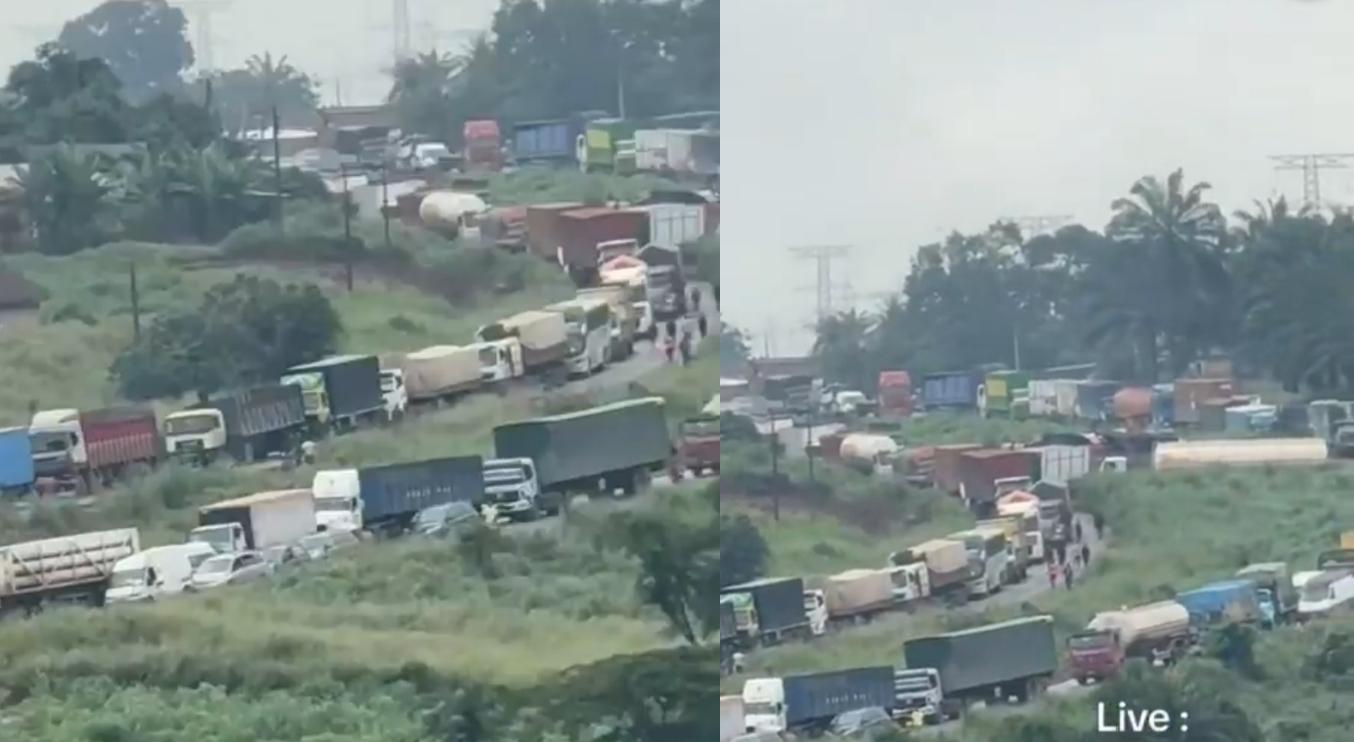
A man living around Agbor in Edo State has shared a video showing heavy traffic on the Agbor-Benin Expressway. He said the road has been completely blocked “since yesterday till today.”
His video adds to a growing number of complaints from travellers stuck on Edo State’s major roads this week. Passengers and commuters have been trapped in gridlock at the Benin bypass for about 12 hours, with some saying they have not moved since around 2 a.m. on Thursday.
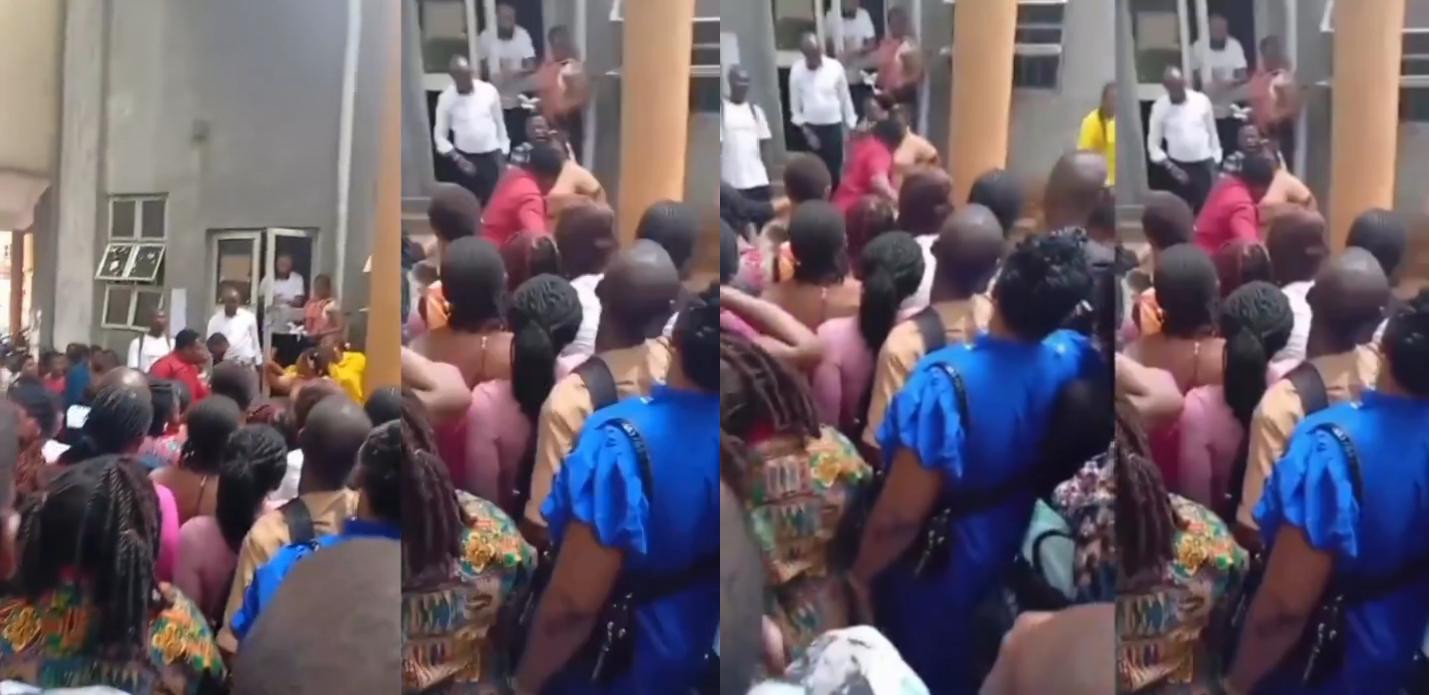
In a separate viral video, other stranded passengers said they had spent between four and six hours on the road. One passenger directed his anger at the Minister of Works, David Umahi, telling him to resign if he could not fix the roads. He also asked why the government was building new coastal roads while roads like this one remained in poor condition.
A Road With a Long History of Breakdowns
This is not the first time this corridor has trapped travellers for hours or days. In November 2025, motorists were stranded on the Benin-Agbor-Onitsha Expressway after residents of a nearby community blocked the road to protest its bad condition. One truck driver said he had not moved for two days and had not eaten.
The Benin-Agbor-Asaba Expressway is currently under reconstruction by a private firm, the Benin-Asaba Expressway Concession Company (BAECC). The company has said the project remains on schedule, even as residents and motorists continue to report flooding and disruption in some sections during construction.
Just days ago, travellers on the nearby Asaba-Onitsha Expressway described similar suffering. A civil servant who commutes from Agbor to Asaba said he once spent over two hours just to pass through one bad stretch of road, forcing many drivers to divert through smaller roads instead.
What Is Behind the Gridlock, and Who Pays the Price
Travellers say the immediate cause of this week’s gridlock is the poor state of the road itself. Damaged and collapsed portions force trucks, buses and cars to squeeze into fewer usable lanes, which slows everything to a crawl.
Ongoing construction work adds to the pressure. Ongoing reconstruction and detours along the corridor have narrowed usable road space in places, even as the contractor insists the work will improve the road once finished.
For travellers, the effects are immediate and painful. People spend hours or even days stuck in one spot, unable to eat properly, use the toilet, or reach their destinations on time. Some abandon their vehicles entirely and continue on foot or by motorcycle.
The Benin-Agbor-Asaba corridor is not a local road. It is one of the main routes linking the South-South and South-East regions of Nigeria to the rest of the country. When it breaks down, goods and passenger transport across several states slow down with it, raising costs for traders, transporters and ordinary families far beyond Edo State.
The frustration is also becoming political. Some stranded travellers have openly linked the state of the road to the 2027 election, questioning why they should support the government’s re-election bid while stuck for hours on a bad road.
Possible Fixes for Nigeria’s Broken Federal Roads
Faster completion of ongoing reconstruction work, with clear timelines shared publicly, would help travellers plan their journeys and reduce uncertainty.
Emergency response teams stationed along known bad stretches could help clear breakdowns and stranded vehicles faster, reducing how long a single incident blocks the whole road.
Better coordination between road contractors, state governments and federal road agencies could also prevent construction work and road failures from compounding each other, as appears to be happening on this corridor.
A Road Nigeria Cannot Afford to Ignore
We think this gridlock is about more than one bad day on one road. It shows what happens when a major national highway is left to deteriorate for too long, even as reconstruction work drags on for months.
Ordinary Nigerians pay the real cost of this neglect, not in trillions of naira, but in wasted hours, missed appointments and empty stomachs on the road. A country that wants to keep trade and people moving between its regions cannot treat its major highways as an afterthought.
Until the Benin-Agbor-Asaba corridor is fixed for good, stories like this one will keep repeating, with a different stranded traveller each time.
Published by Ejoh Caleb