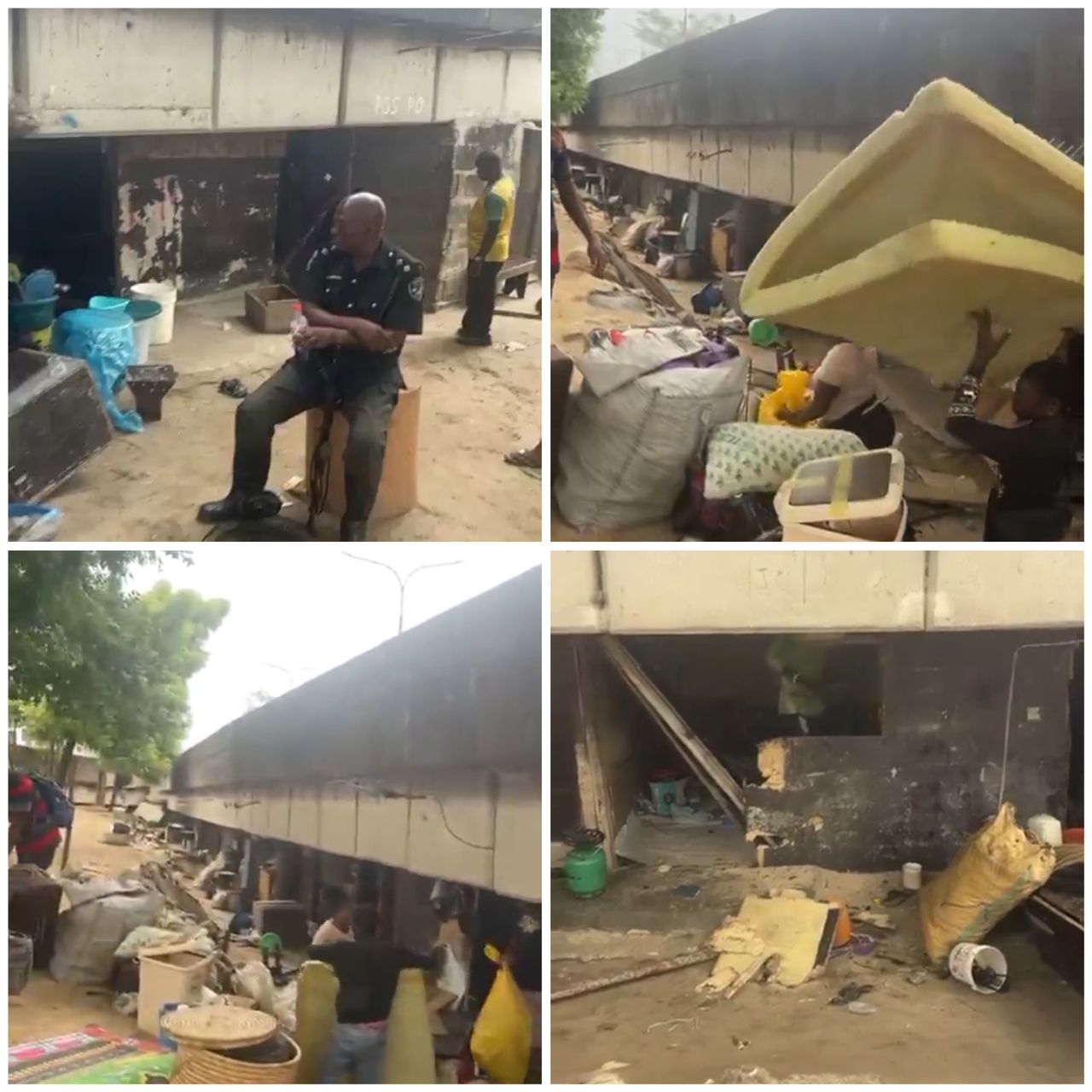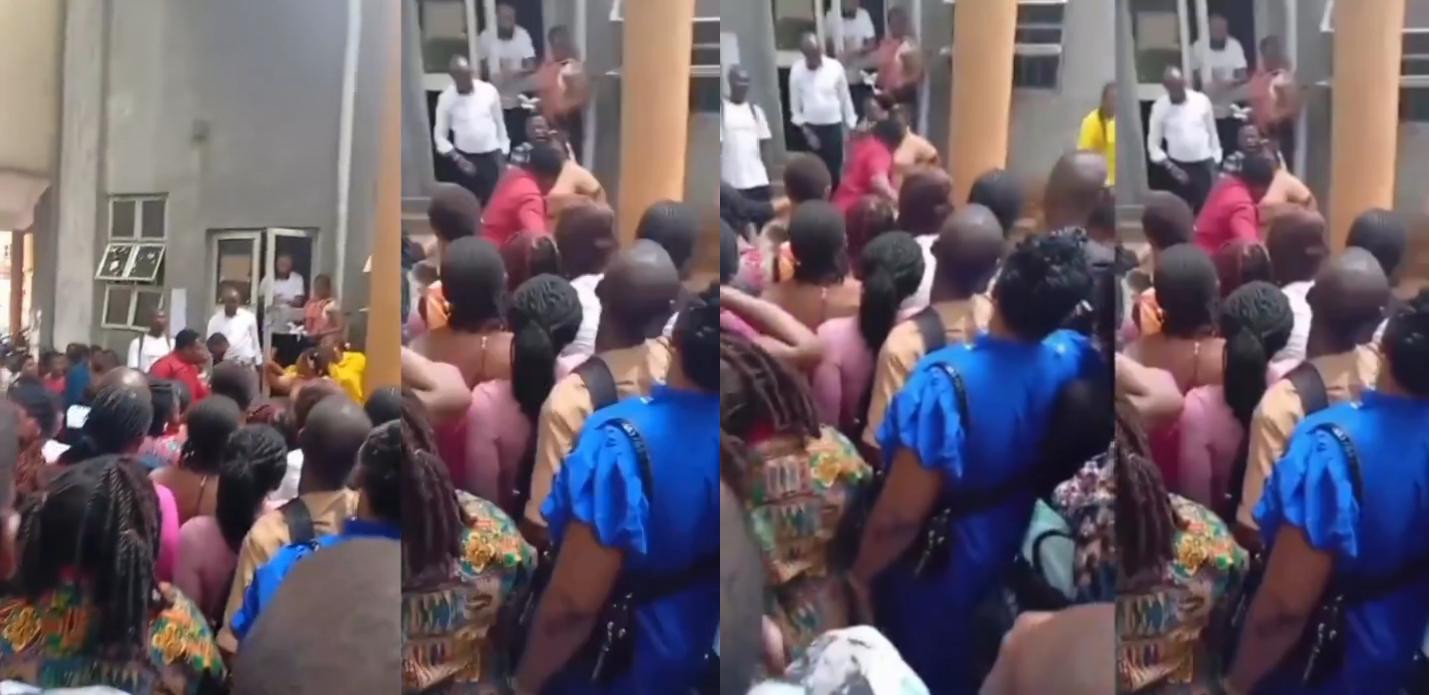
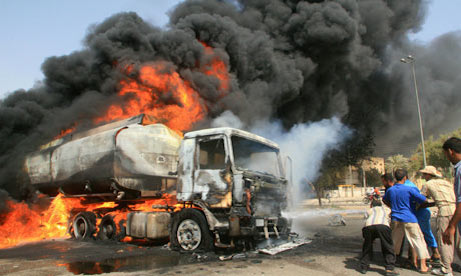
A petrol tanker overturned on the Benin-Lagos Expressway at Oluku, in Ovia North East Local Government Area of Edo State, on Thursday morning, October 15, 2026. Residents rushed to scoop the spilled fuel, and the tanker exploded in the afternoon. The fire spread to Oluku Market and nearby properties, burning shops, homes and vehicles.
Witnesses told Vanguard the tanker fell at about 7:30 a.m., and that residents carried fuel into their houses before the fire began. First Daily reported that the explosion happened at about 1 p.m. and that the tanker overturned while attempting a U-turn, which we have seen in only that report.
How Many Died Is Still Unclear: What Is Confirmed and What Is Disputed (The Casualty Picture)
Reports differ on the number of deaths. Vanguard, Legit and Amebo reported four people dead, including a soldier. The Edo State Sector Commander of the Federal Road Safety Corps (FRSC), Preye Ezekiel Bedford, said no death had been recorded so far. The same report noted that conflicting accounts put the toll between two and five. We cannot resolve the difference, and the figures may change.
More is agreed on the injured. About 10 to 11 people with severe burns were taken to the University of Benin Teaching Hospital (UBTH), where Chief Medical Director Prof. Idia Ize-Iyamu led the emergency teams. An eyewitness said two men directly beneath the tanker were burnt beyond recognition, which some outlets treated as deaths. The FRSC, police, military, the Federal Fire Service and Edo State Fire Service all responded, and the Edo State Traffic Management Agency helped with traffic.
Nigeria Has Buried Many Victims of Scooping Before: Past Cases of Tanker Fires (Earlier Fuel Tanker Disasters)
The worst case in recent memory happened in Majiya, Jigawa State, in October 2024. A tanker spilled fuel into a ditch, and police said residents rushed to scoop it before it exploded. The toll rose to at least 153 dead and 100 injured. A student at the scene told AFP that everyone knows the danger, but “the level of poverty is too much to resist the temptation.”
Edo State has had its own tragedies. In December 2025, a petrol tanker crashed and caught fire on the Benin-Auchi road. SaharaReporters reported that the fuel spilled into drainage channels linking several communities, so the flames travelled along them, and that an eyewitness said people died but the number was unknown. In July 2025, after a collision near Benin City, a petrol tanker leaked heavily without overturning. Some people reportedly tried to scoop the fuel, but the Federal Fire Service and Edo emergency units contained the leak before it could ignite. That case shows that fast action can prevent disaster.
The 2023 Ologbo tanker fire in Edo shows how hard it can be to establish facts afterwards. The environmental group HOMEF said police reported about five deaths, while eyewitnesses put the toll at over 20, and it said it saw no containers at the site to support claims that victims were scooping fuel. That is one group’s account, but it shows why early numbers deserve caution.
Elsewhere, an explosion in Tafa, Kaduna State, in 2017 happened while youths were gathering to scoop fuel from a damaged tanker, and residents said 17 houses and several tankers burnt. In 2012, a fire involving five tankers in Port Harcourt reportedly killed at least 30 people, and NEMA said soldiers stopped residents from scooping. The pattern keeps repeating.
A Spill, a Crowd and Shops Built Over Drains: Causes Behind This Disaster (Why Tanker Spills Become Fires)
Money is the main pull. The Associated Press reported that scooping has become more common because fuel prices tripled after the subsidy was removed. A bucket of free petrol can look like a day’s earnings. Warnings did not stop the crowd at Oluku. Amebo reported that residents rushed to scoop despite warnings from security operatives. One eyewitness said he escaped only after a soldier warned him, and the tanker burst into flames moments later.
The layout of the market made things worse. Reports say fuel spilled into drainage channels where shops had been built, so the fire could reach them quickly. The same thing happened on the Benin-Auchi road in 2025, when fire moved through drains between communities.
The reason the tanker fell is still unknown. First Daily’s report of a failed U-turn needs confirmation. More broadly, tanker accidents are common in Nigeria, where roads are poorly kept and there is no efficient railway for cargo. The FRSC recorded 1,531 petrol tanker crashes in 2020 alone.
Burns, Lost Livelihoods and a Heavy Load on Hospitals: Effects on Lives and the Country (Impact of the Fire)
The first effect is on human life and health. Burns from a petrol fire are severe and often need long hospital care. Even those who survive may face months of treatment, scarring and lost income. UBTH’s burns unit is now caring for about ten patients, which strains any hospital.
The second effect is on livelihoods. Reports say the fire destroyed a market, shops and vehicles. Traders who depend on daily sales may be left with no stock and no savings, especially if they have no insurance. We could not find a figure for the losses.
The third effect is on the road. A major expressway like the Benin-Lagos route carries goods and passengers between regions, so closures and diversions cost time and money.
For the country, the toll is steady and large. In 2020, the FRSC recorded 535 deaths and 1,142 injuries from petrol tanker crashes. After the Jigawa disaster, Vice President Kashim Shettima called for a comprehensive review of fuel transportation safety protocols. Each tragedy strains hospitals, emergency services and public trust.
Preventing the Next Rush Toward Fire: Steps for Residents, Responders and Government (Possible Solutions)
First, everyone near a spill should stay far away. The FRSC has urged road users to wait for its emergency and rescue teams to handle such incidents. Do not smoke, start engines or use fire near a spill, and keep children back. These are general safety precautions, and responders decide what is safe at each scene.
Second, responders need to secure the scene quickly. In the July 2025 case near Benin, rapid containment by the fire service stopped ignition.In 2012, soldiers stopped residents from scooping in Port Harcourt. Fire trucks and trained crews should be stationed near busy markets and expressway junctions.
Third, planning rules for roadside markets should be reviewed. Shops built over open drains give spilled fuel a path to the market. Clearing or covering drains and keeping buildings away from them would reduce that risk. This is our suggestion, and the authorities would need to study how it can work.
Fourth, safer fuel transport should be a priority. Better roads, strict checks on tanker condition and driver conduct, and alternatives such as rail would reduce accidents. The cause of the Oluku crash should also be investigated and published.
Fifth, relief and education go together. Public awareness should keep reaching markets, mosques, churches and radio stations. But education alone may not be enough where hardship is severe, so support for burn victims and affected traders matters too.
No Bucket of Fuel Is Worth a Life: Our Closing Reflection (Safety, Poverty and Responsibility)
We understand why people ran toward the spill. When fuel is costly and money is short, free petrol can look like help. We do not blame desperate people for wanting to survive.
But the events at Oluku show where that rush can lead. A soldier’s warning saved at least one man, and the fire still burnt vehicles, shops and people. We ask residents everywhere to stay far from any fallen tanker and let trained crews work.
We also urge the Edo State government, the FRSC and the hospital to give the public a clear, single account of the number of dead and injured. Families waiting for news deserve certainty. The authorities should also help the traders who lost goods, find out why the tanker fell, and make tanker transport safer. We will update this story as more details are confirmed.
Published by Ejoh Caleb