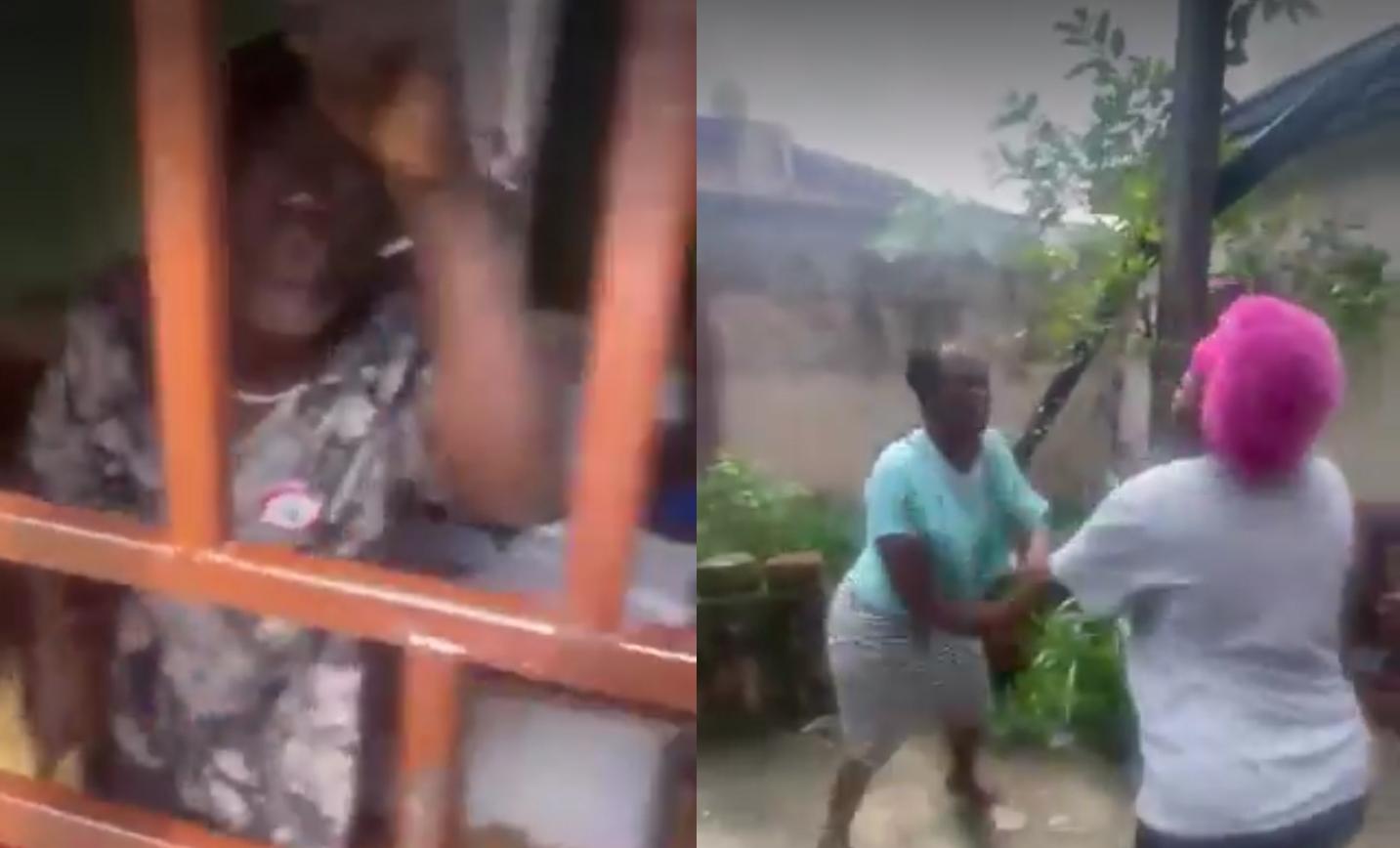
A resident of Onitsha South Local Government Area (LGA) of Anambra State has accused officials of the Independent National Electoral Commission (INEC — the body that manages elections and voter registration in Nigeria) of secretly demanding ₦2,000 from applicants before releasing their Permanent Voter Cards (PVCs — the ID cards Nigerians need to vote).
According to the resident’s account, one applicant who came to collect his card was told to pay the money first. When the applicant refused, insisting that PVCs are supposed to be free, and tried to record the conversation on his phone, officials reportedly reacted angrily, and a heated argument broke out on the premises.
It is important to note that these are allegations from the individuals involved. They have not yet been independently verified by INEC or any other authority, and no official response has been issued on this specific case at the time of this report.
Why This Is Not the First Time Such Claims Have Surfaced
This is not the first time INEC officials in Anambra State have faced accusations of quietly charging Nigerians for something the law says must be free.
In 2022, a group called Ndigbo Unity Forum accused INEC officials at Onitsha North LGA — the neighbouring council area — of demanding money from people before registering them as voters. A video also went viral showing a crowd of applicants protesting at the same office, claiming they were asked to pay ₦20,000 before being attended to, and that officials switched off their machines and rushed inside when the crowd refused to pay. INEC denied the claim at the time, calling it false and politically motivated.
A similar case surfaced in January 2023, when a video showed an INEC staff member at a PVC collection centre in Emene, Enugu State, allegedly collecting ₦1,000 from a voter before handing over the card. And in 2024, a civil society group accused INEC officials in Edo State of selling uncollected PVCs to politicians ahead of the governorship election — a claim INEC also denied, insisting that its cards are “issued free of charge to only registered voters.”
Taken together, these repeated allegations — spanning three states and three years — show a pattern that keeps damaging public confidence in the voter card process, whether or not each individual claim is proven true.
What Could Be Driving These Allegations, and Who They Hurt
Several factors are commonly blamed for these recurring accusations against low-level electoral workers:
Poor pay and welfare for ad-hoc staff: Many of the workers stationed at PVC collection centres are temporary or ad-hoc staff who are sometimes owed allowances, which critics say creates room for some to demand informal payments.
Weak supervision at ward-level offices: Local government offices, unlike INEC’s state headquarters, are harder for the commission to monitor closely on a daily basis.
Long queues and desperation: Applicants who have waited for hours, or travelled long distances, may feel pressured to pay just to avoid returning another day.
Low awareness of rights: Some Nigerians, especially in rural or low-literacy areas, do not know that collecting a PVC is completely free, which makes it easier for anyone demanding money to succeed.
Effects: Local Frustration, National Consequences
At the local level, incidents like this discourage individual applicants, waste their time, and in some cases push people to simply give up on collecting their cards.
But the effect goes beyond Onitsha. Nigeria’s electoral credibility as a whole depends on public trust that INEC is a neutral, non-extractive institution. Every unresolved bribery allegation — true or false — feeds a wider national narrative that voter registration is compromised, which can lower voter turnout and deepen cynicism about elections generally. With Nigeria heading toward more state and off-cycle elections, including in Osun State this year, INEC’s credibility on basic processes like PVC issuance matters for the legitimacy of the entire democratic system, not just for the people directly affected in Onitsha South.
Possible Solutions
INEC should investigate this specific allegation promptly and publish its findings, rather than issuing a blanket denial without evidence, which has been its pattern in past cases.
Applicants should be encouraged, and protected, when they record their interactions at INEC offices as evidence, since video recordings have exposed genuine cases before.
The commission could set up a visible, well-publicised hotline or SMS code specifically for reporting extortion at collection centres, separate from its general complaints channels.
Nigerians should be reminded, repeatedly and through local languages, that collecting a PVC is completely free — this single piece of awareness can defeat most extortion attempts before they start.
Under the Electoral Act, electoral officials who solicit or accept bribes can face fines and imprisonment on conviction. Actually prosecuting a proven case, rather than only transferring or querying an official internally, would serve as a stronger deterrent than has existed so far.
Our Take
Whether or not this specific ₦2,000 demand is confirmed, the fact that Nigerians keep raising the same complaint — in Onitsha North, Enugu, Edo, and now allegedly Onitsha South — tells me INEC has a trust problem it has not fixed. Denials alone will not solve it. What builds confidence is when the commission investigates openly, names anyone found guilty, and lets the law actually punish them. Until then, ordinary Nigerians trying to exercise their right to vote will keep feeling like they have to pay for something that is supposed to be free, and that should worry all of us far more than one office in Onitsha.
Published by Ejoh Caleb