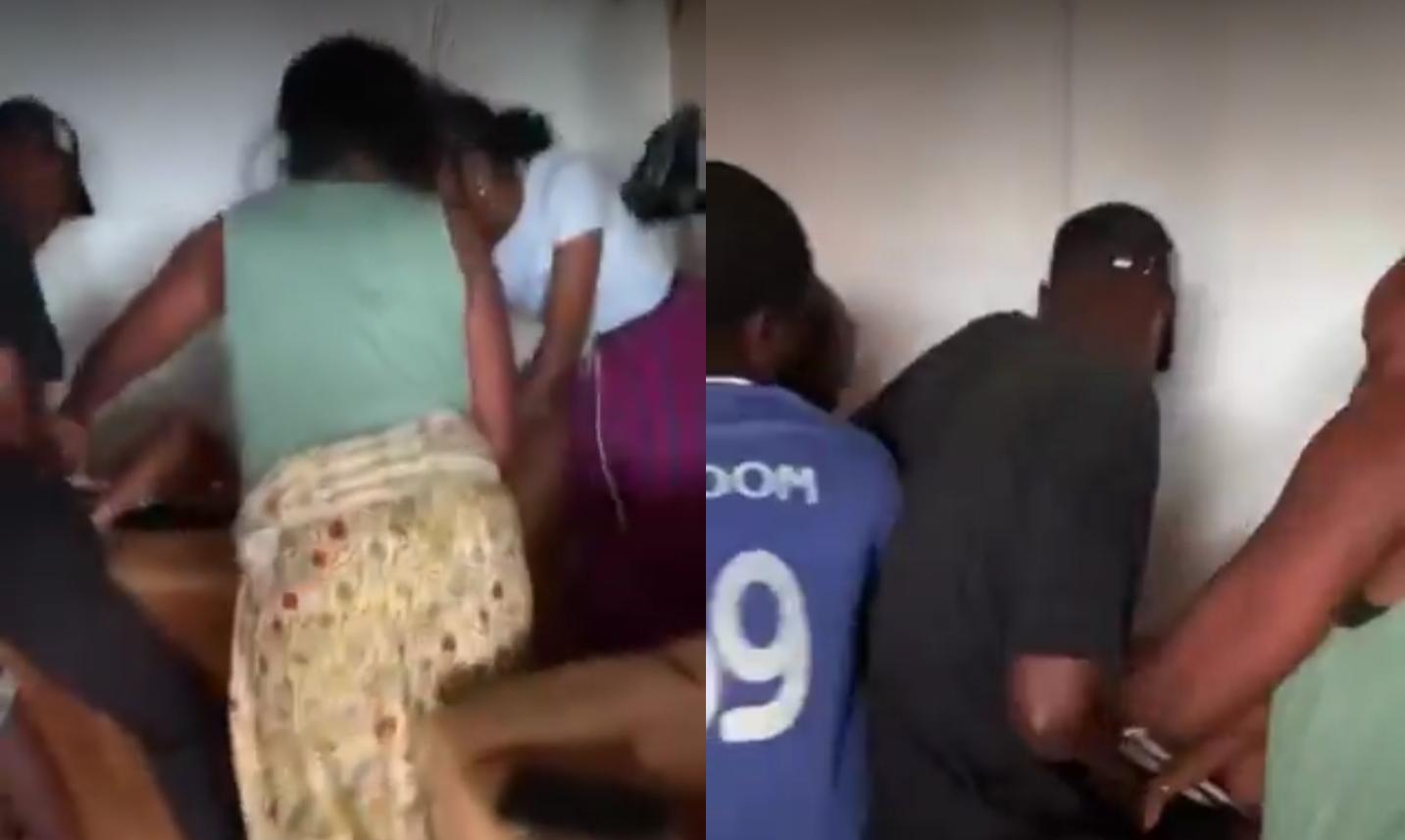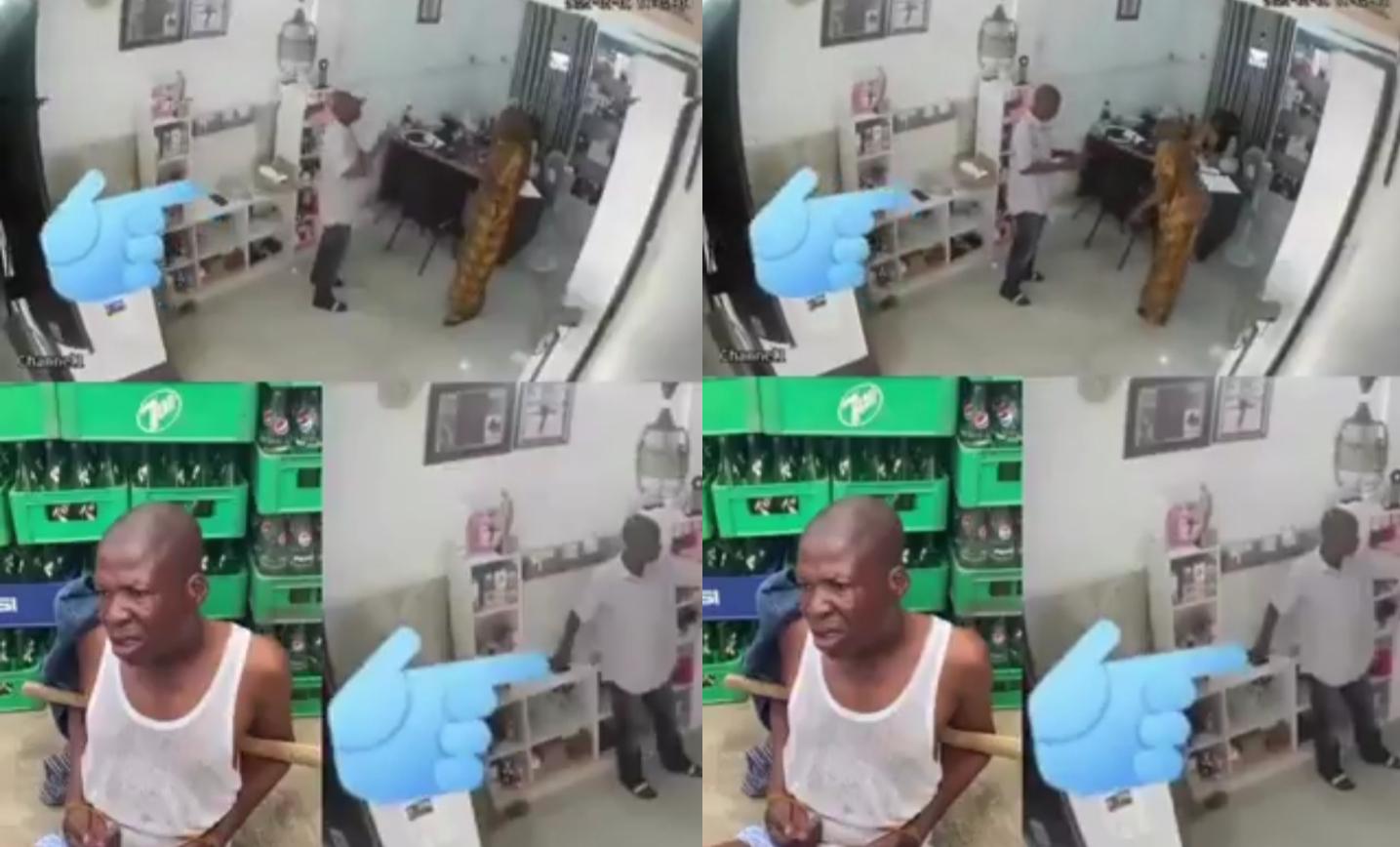

A man has been caught in Owerri, Imo State, for allegedly sexually abusing his 13-year-old stepdaughter. According to the report, the girl’s mother raised the alarm after her daughter told her what had been happening. A video circulating online reportedly shows the suspect admitting to the allegation.
This Is a Widespread Problem and Most Cases Never Reach Anyone: What National Surveys Show (Scale of Child Sexual Abuse in Nigeria)
A national survey carried out by the National Population Commission with UNICEF and the US Centers for Disease Control and Prevention found that one in four girls and one in ten boys in Nigeria experience sexual violence before the age of 18. The survey also found that most abusers are known to the child. One report said strangers accounted for only 13 percent of sexual abuse against girls. A UNICEF official in Lagos said perpetrators of violence against children are often people they know, including parents, caregivers, teachers and neighbours.
Few children get help. According to the same national survey, only 5 percent of young women who were abused before 18 sought help, and just 3.5 percent received any services. A separate survey by the Child Protection Hub found that only 27 percent of respondents who had witnessed child abuse reported it to the authorities. A 2024 poll found that 51 percent of Nigerians surveyed did not know where to report child abuse. These figures explain why a mother’s quick action, as reported in this case, matters so much.
Past Cases Show How Late Disclosures and Slow Systems Can Fail Children: Earlier Nigerian Cases (Earlier Child Abuse Cases)
In August 2024, Lagos police arrested a 40-year-old man for allegedly sexually abusing a 13-year-old girl. The girl told her mother after much persuasion, and the mother said the man was a neighbour she had trusted to take her children to school. He pleaded not guilty and was granted bail. The case shows how abuse can come from a trusted person, and how a case can continue slowly through the courts after an arrest.
Imo State has had a recent child-protection case of a different kind. In October 2026, Imo police arrested a man in Owerri for allegedly using an electric cable to injure his 10-year-old daughter, after a human rights group petitioned the police. The foundation took the child to hospital and placed her younger siblings in temporary care. That case was not sexual abuse, and we mention it only to show that civil society groups and police can act together.
A Daily Trust investigation also described cases in which suspects were picked up by police and released within 24 hours, leaving children and families waiting for justice. These are older accounts, and practices may have changed, but they show the stakes of how cases are handled.
How Abuse Stays Hidden, and Why Disclosure Takes Courage: Causes Behind the Silence (Why Children Do Not Speak Up)
We do not know what happened in this household, so we cannot say how it was kept secret. National research points to common reasons that abuse stays hidden. Children often depend on the very adults who harm them, and fear being blamed, disbelieved or punished. UNICEF’s Lagos coordinator named social norms, weak enforcement of the law, domestic violence in the home and the reluctance of response services to get involved in family matters as drivers of violence against women and girls.
Stigma plays a part. Families may fear shame, or worry about losing a breadwinner. The Child Protection Hub’s report described an “extreme weakness” in Nigeria’s child protection systems and a general lack of knowledge about organisations that defend children’s rights.
It would be unfair to blame stepfamilies in general. Most stepparents are caring, and the data above show that abuse can come from many adults a child knows. What matters is how adults respond when a child speaks. In this case, the mother reportedly believed her daughter and acted, which is exactly what experts urge.
A Child’s Future Is at Stake: The Effects of Abuse on the Girl, Her Family and the Country (Consequences)
The first effect is on the girl. Sexual abuse can cause lasting emotional harm, health problems and difficulty in school. She needs safety, medical care, counselling and, above all, to be believed. She should not be blamed or shamed, and her identity must be protected.
The second effect is on the family. A mother who discovers that her child has been abused faces pain, anger and hard decisions, often with little support. The home that was supposed to be safe is no longer so. We hope she and the girl receive help.
The third effect is on the community. Public sharing of a video can expose the child and make healing harder. It can also pressure the justice process.
For the country, the cost is heavy. A society where one in four girls faces sexual violence loses health, education and talent, and Nigeria’s own surveys show that most victims never receive services.
What to Do If a Child Tells You: Practical Steps for Parents, Schools and Authorities (Possible Solutions)
If a child tells you she has been abused, stay calm and listen. Tell her you believe her and that it is not her fault. Do not question her repeatedly or demand details, and do not confront the suspect alone. Get her to a doctor or hospital as soon as possible, and avoid washing or changing clothes if she can be examined, because evidence may be needed. Report the matter to the police, the state social welfare or women’s affairs ministry, or a child protection organisation. These are general safety steps from child protection practice, and professionals can guide families through the details.
The police and prosecutors can ensure children are interviewed by trained officers, kept away from suspects and shielded from publicity. In the Owerri case involving a 10-year-old, a foundation helped by arranging medical care and temporary shelter for children. More such support is needed.
Nigeria has laws against sexual violence, including the Violence Against Persons (Prohibition) Act 2015, though a ThisDay editorial noted that abuse cases are reported almost daily despite them, which shows that enforcement is the main challenge. Government can help by publishing clear reporting channels, since over half of respondents in one poll did not know where to report abuse.
Schools, churches and mosques can teach children simple body safety, that no adult has the right to hurt them, and that they should tell a trusted person. The public can help by not sharing identifying videos and by offering support instead of judgment.
Believe Children, Protect Their Dignity and Let the Courts Decide: Our Closing Reflection (Justice, Care and Responsibility)
We commend the mother who, according to the report, listened to her daughter and raised the alarm. Many children never get that response, and her action may have protected her child from further harm.
We also stress fairness. The suspect has not been tried, and a confession on video does not replace a court process. If the allegation is proven, he should face the full weight of the law. In the meantime, the girl’s identity and privacy must be protected.
We urge the Imo State Police Command to investigate fully and tell the public what charges are filed, and we urge the state’s child protection agencies to make sure the girl and her mother receive care. If you know a child who may be at risk, please speak to the police or a child protection organisation. We will update this story when the authorities confirm more.
Published by Ejoh Caleb