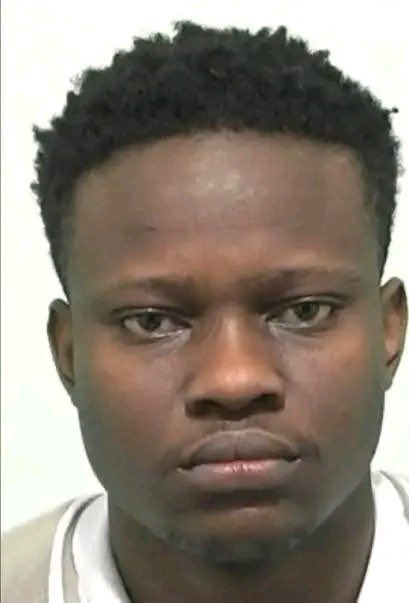
A 25-year-old Nigerian, Anderson Ishiekwene, has been sentenced to three years in prison by a UK court after he was caught trying to meet someone he believed was a 14-year-old girl for sex. He will be deported to Nigeria once he finishes serving his sentence.
Ishiekwene arrived in the UK on a student visa in August 2025 and settled in Sunderland. Court documents show that on January 2, 2026 — almost exactly a year after he arrived — he began chatting with a profile on Facebook before moving the conversation to WhatsApp. Over the next eight days, he exchanged more than 300 pages of messages with the account, continuing even after he was told several times that the person was 14 years old. What he did not know was that the profile belonged to an online child-protection group called Guardians of the North, who use decoy accounts to identify adults trying to exploit children.
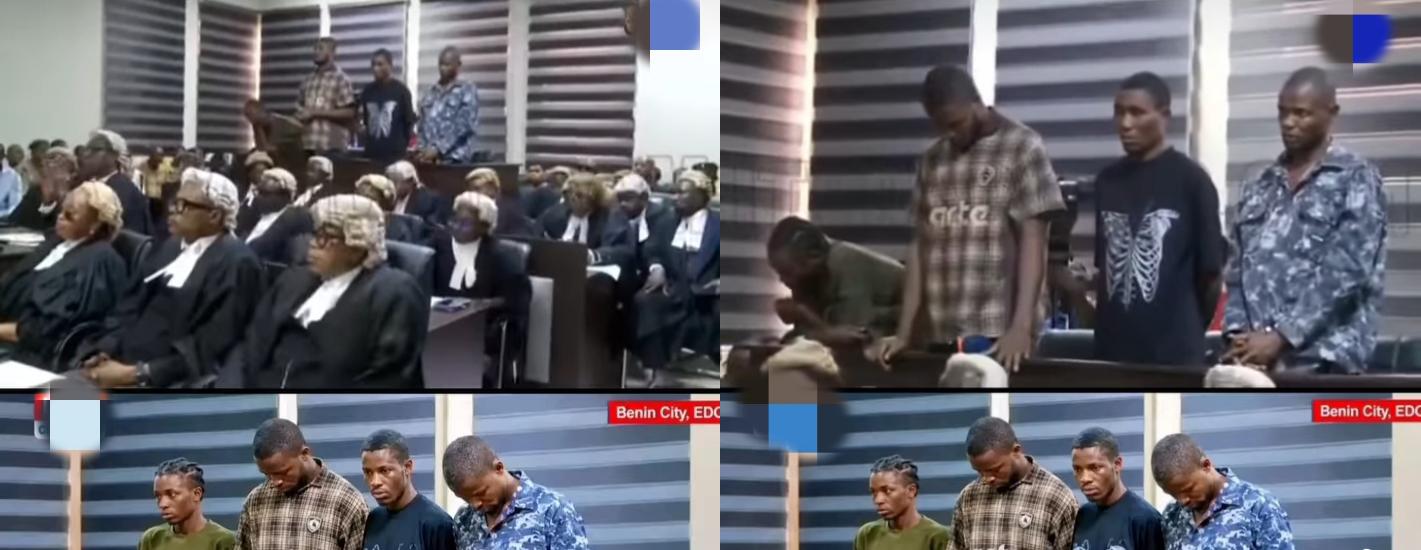
On January 10, Ishiekwene travelled to the Galleries shopping centre in Washington, Tyne and Wear, to meet the “girl” in person. Instead, he was confronted by members of the group, who filmed him trying to pull away before he was restrained and held for police. Footage of the confrontation, showing him attempting to break free before two men took him down, later circulated widely online. He had already admitted to a charge of attempting sexual communication with a child, but denied travelling there for a sexual purpose. A jury at Newcastle Crown Court did not believe him, convicting him after a three-day trial of attempting to meet a child following grooming.
Sentencing him, Judge Robert Spragg said a probation assessment found little doubt that Ishiekwene was sexually attracted to children, and that what he had planned for that day was a step toward a future sexual encounter. Alongside the three-year prison term, he was ordered to register as a sex offender and to comply with a Sexual Harm Prevention Order (a court order restricting his contact with children and internet use) for ten years.
Not an Isolated Case: How “Paedophile Hunter” Groups Keep Catching Predators
Ishiekwene’s case is part of a much wider pattern in the UK, where volunteer groups such as Guardians of the North set up fake child profiles online, wait for adults to make sexual advances, and then confront them in public before police take over. One such group’s earlier work led to a repeat offender, John Armitage, being jailed again in 2026 for breaching restrictions imposed after he was first caught trying to meet a 14-year-old in a similar 2019 sting. These citizen-run stings have become one of the most common ways UK predators are exposed, precisely because so much grooming now happens quietly on ordinary platforms like Facebook and WhatsApp, out of any parent’s view.
The Nigerian angle to this story is also not new. Nigeria has repeatedly been flagged in global reports, including one from the Internet Watch Foundation, as a country whose web and payment infrastructure has been linked to cases of child sexual abuse material, alongside being a country whose citizens abroad have occasionally faced prosecution for similar offences.
Why This Keeps Happening — and Who Pays for It
The likely causes. Online platforms make it easy for adults to reach children privately, without a parent, teacher or anyone else noticing. Some offenders also count on anonymity and distance to protect them, not realising that decoy accounts run by volunteer groups are increasingly filling the gap left by stretched police resources.
The effects on the individual. For Ishiekwene, the consequences will follow him well beyond his three-year sentence: a criminal record, a decade on the sex offenders’ register, and automatic deportation back to Nigeria once released.
The effect on Nigeria as a country. Cases like this attach themselves to how Nigerian students and travellers are perceived abroad, feeding stereotypes that make life harder for the much larger number of Nigerians studying and working honestly overseas. A Nigerian Students’ Union UK representative said the case reignited hard conversations about the responsibilities international students carry once they land in a new country, and about the support structures available if a student is struggling before they cross a legal line. Beyond reputation, it also feeds into a larger global conversation about Nigeria’s standing on child protection, at a time when the country is already named in international reports on online exploitation.
What Could Help Prevent the Next Case
Pre-departure and orientation briefings for international students, covering host-country laws on issues like this in plain terms, not just visa and academic rules.
Stronger embassy and student-union support networks abroad. The Nigerian High Commission in London has said it plans quarterly legal-awareness sessions with UK universities, and student groups are setting up peer-mentorship programmes for newly arrived Nigerians.
Continued cooperation between Nigerian and UK cybercrime units, so cases don’t just end in a single deportation but feed into a bigger picture of how these crimes are being organised and stopped.
Public awareness at home in Nigeria about how seriously these offences are treated abroad, since a criminal conviction and sex offender registration follow a person long after deportation.
Our Take on This Case
Cases like this are hard to write about without feeling two things at once: relief that a child was protected because a decoy operation worked exactly as intended, and discomfort at what it says when a Nigerian abroad becomes the face of a global child-safety failure. I don’t think one conviction should be used to paint an entire community of Nigerian students abroad with the same brush — most are in the UK working genuinely hard for a better future. But I also think stories like this should push us, as Nigerians, to talk more openly about consent, boundaries and the law with young people heading abroad, instead of treating the topic as taboo until a court case forces the conversation.
Published by Ejoh Caleb