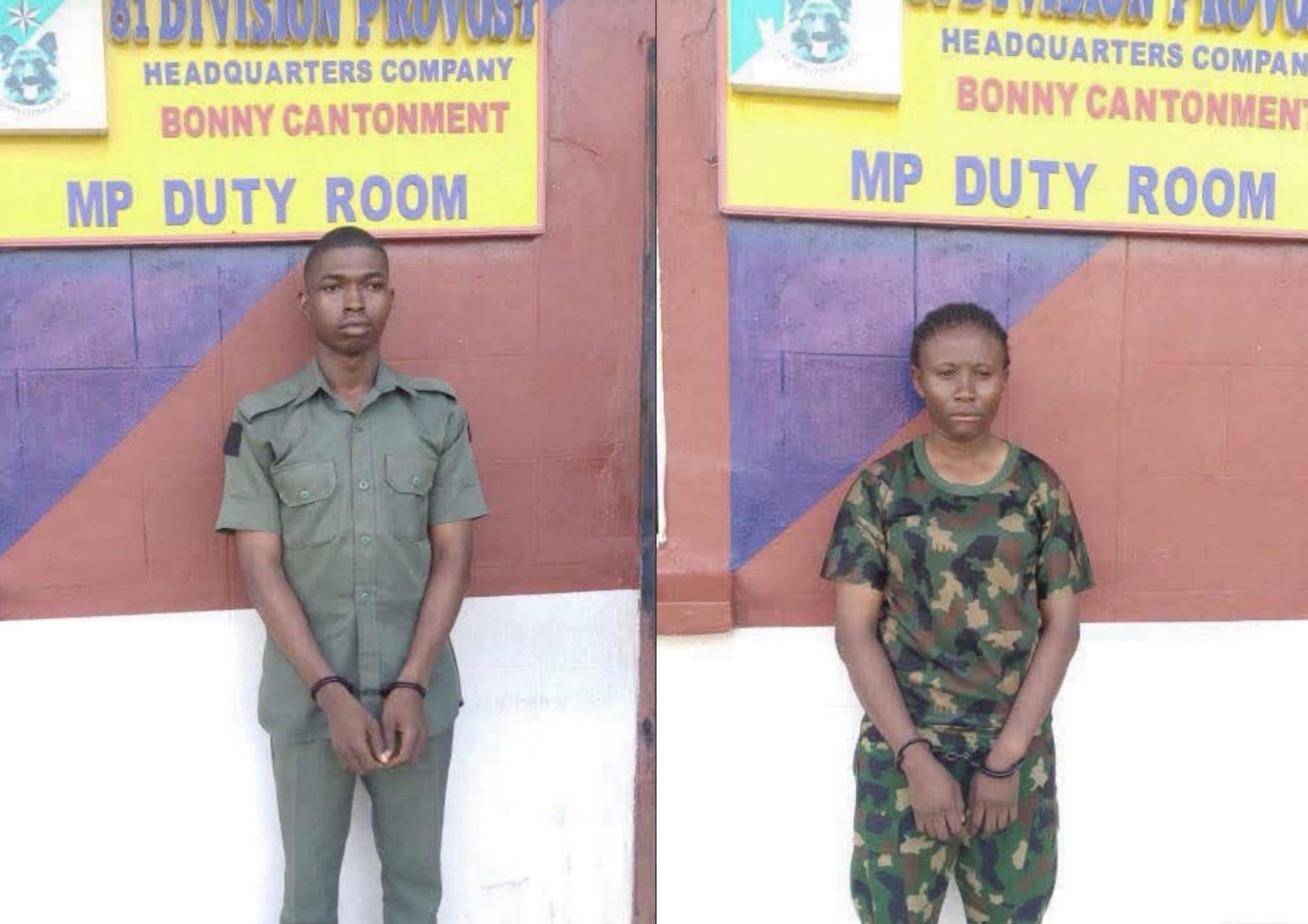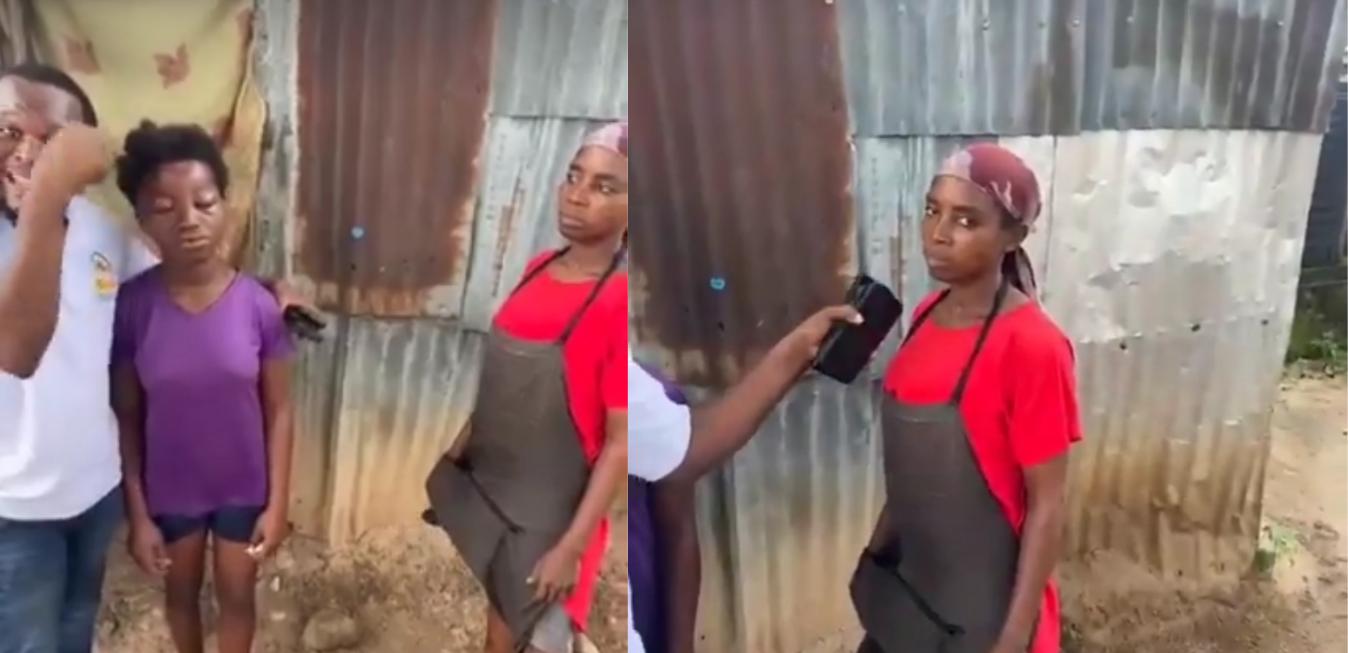
Three children have been found dead, and a fourth rescued alive, at the residence of a woman known locally as “Ezenwanyi” (a title used for a female traditional healer or spiritualist) in Umuoduba Village, Ideani, Idemili North Local Government Area of Anambra State.
The Anambra State Police Command confirmed that four children, aged between six and 15, were found unconscious at the premises on Wednesday, August 5. Three of them were later confirmed dead by doctors, while the fourth is receiving hospital treatment in a critical condition. Residents in the community said the children may have been working for the woman, who is said to rear pigs and birds on the property, though some sources suggest they could also have been her own children; neither has been confirmed.
Police spokesperson SP Tochukwu Ikenga said the woman has been taken into custody and that the State Criminal Investigation Department will now handle the case. He extended the command’s condolences to the families of the deceased and to the Ideani community, and urged residents to remain calm and avoid spreading unverified information while investigations continue. As of the time of this report, the exact circumstances surrounding the children’s deaths have not been established, and the bodies have been deposited at a mortuary pending further examination.
A Recurring Nightmare: When Shrines and Traditional Healers’ Homes Turn into Crime Scenes
This is not the first time a Nigerian community has been shaken by disturbing discoveries at a traditional healer’s compound. In May 2025, residents of Umuojor village in Enugu State’s Ezeagu council area uncovered decomposing bodies buried in concrete-sealed pits at the home of a well-known native doctor, after a 13-year-old girl was rescued moments before she was allegedly going to be used for a ritual. In an even larger case, police in Benin City, Edo State, once raided a building and recovered twenty mummified bodies, including those of two children, at a site suspected of being used as a ritual shrine.
These cases share a troubling pattern: children and other vulnerable people living or working inside a traditional healer’s compound, largely hidden from outside oversight, until a tragedy or a lucky rescue exposes what was happening.
Why This Keeps Happening — and Who Pays the Price
The likely causes. Poverty often pushes families to send children to live and work with traditional healers or spiritualists as domestic help or farm labour, trusting a community figure with little outside checking on the child’s welfare afterward. The informal, largely unregulated nature of shrines and traditional healing practice also means abuse or neglect can continue for a long time before anyone outside notices.
The effects on the children and families. For the families of the three children who died, and for the surviving child now fighting for their life in hospital, the human cost is immediate and devastating, regardless of what the investigation eventually finds.
The effect on Nigeria as a country. Cases like this deepen public anxiety about the safety of children placed in informal care or apprenticeship-style arrangements across Nigeria, and add to growing scrutiny of how loosely some traditional and spiritual practices are regulated. When incidents like this go unresolved or unpunished, they also erode public trust that state institutions can protect children who fall outside the direct oversight of a school or registered welfare system.
What Could Help Protect Children in These Situations
Stronger regulation and registration of traditional healers and spiritualists, particularly those who take children into their homes or compounds to live and work.
Community-level child welfare checks, so that arrangements where children live away from their parents are not left completely unmonitored.
Faster, transparent investigations, so cases like this are not left in uncertainty for long periods, which only fuels rumour and fear in affected communities.
Public education for parents and guardians on the risks of sending children to live with informal caregivers without any form of follow-up or documentation.
Our Reflection on This Tragedy
Stories like this are painful to write because there is still so much we don’t know — the police themselves say the circumstances of these deaths haven’t been established, and it would be wrong to assume the worst before investigators finish their work. But even without knowing the full truth yet, the pattern is familiar and troubling: children living far from the direct protection of their parents, inside a private compound that nobody outside was really watching. Whatever this investigation finds, I hope it pushes Anambra State, and Nigeria more broadly, to take a harder look at how many children are living in similar arrangements right now, unseen, and what it would actually take to check in on them before another family has to bury a child.
Published by Ejoh Caleb