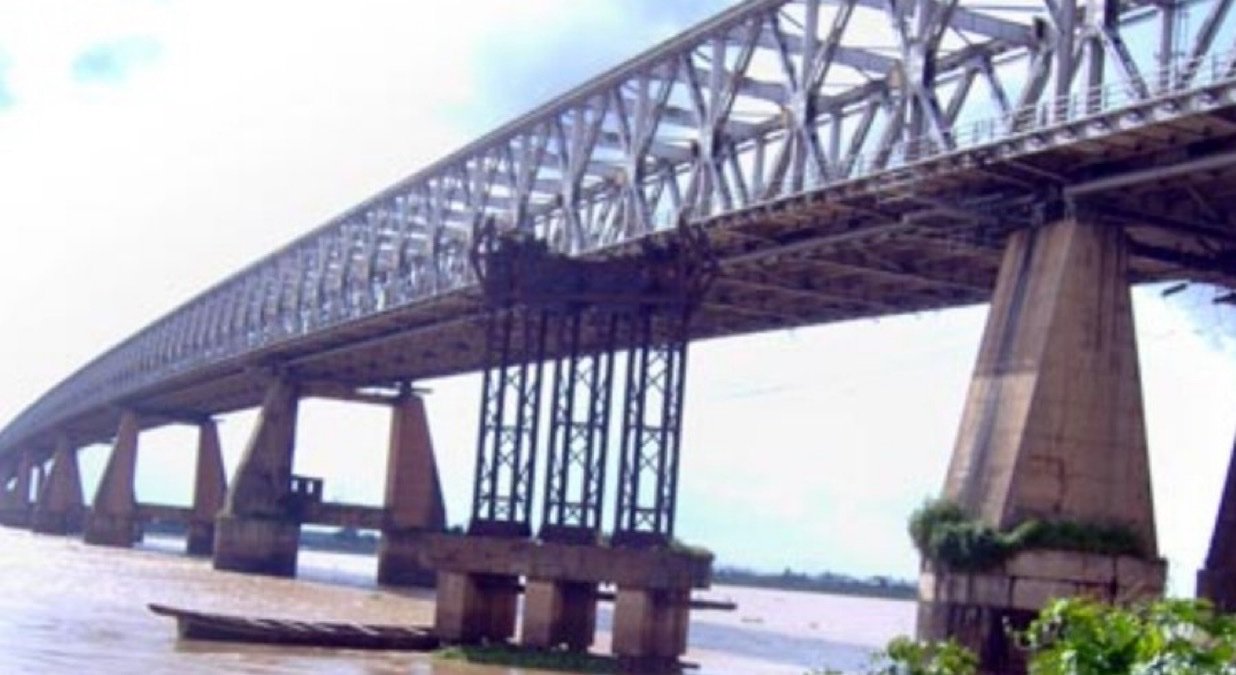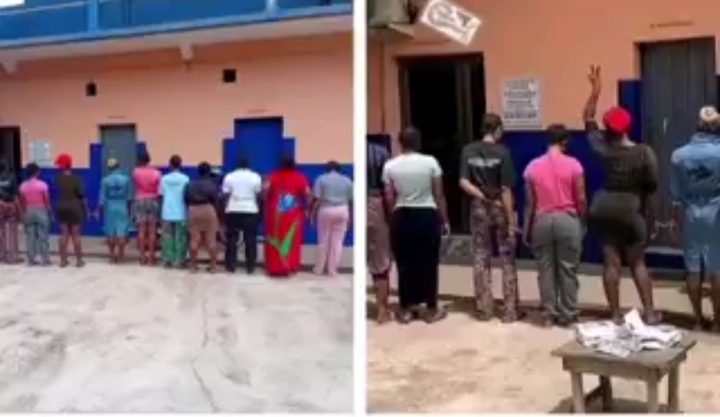
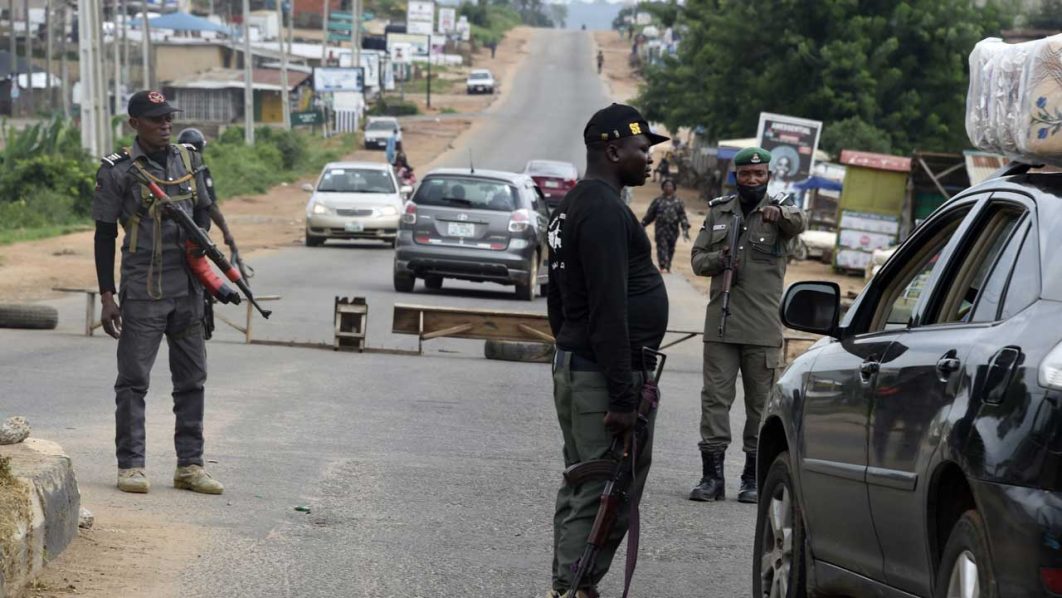
Truck driver compares security checkpoints across Northern Nigeria, from Kaduna to Lokoja, Kogi State, with those in the Eastern part of the country, as he documents his entire journey, including the task force officers he encountered along the way.
If you ask long-distance truck and commercial drivers in Nigeria, many will tell you the same thing: how many times you get stopped, and how much money leaves your pocket, often depends less on how safe a route is and more on which part of the country you are driving through. This pattern keeps showing up in driver accounts and independent reports from across the country.
Fewer stops but higher danger in parts of the North
Along routes like Kaduna to Abuja, security forces have in recent times cut down on the number of stop-and-search points. Kaduna State authorities placed a ban on checkpoints along the Kaduna-Abuja road, and the Nigerian Army has said its operations have kept the corridor largely free of incidents.
This does not mean the route is worry-free. The Abuja-Kaduna expressway has for years been one of Nigeria’s most notorious kidnapping corridors, due to banditry and armed groups operating in the North West. Drivers who use the road regularly say fear of attack, not fear of police stops, is what weighs on them most. So while a Northern route may have fewer checkpoint stops, it can carry a different, arguably more serious, kind of risk.
More stops and open bribe-taking in the South
Drivers moving goods from the North into Southern markets describe a completely different experience once they cross into states like Edo, Ogun, or further into the South-East and South-South. Truckers say they budget specifically for “checkpoint money,” with police, army, and other agencies openly asking for cash at short intervals. On some southern routes, a truck can pass through a checkpoint every few kilometres.
In the South-East, the situation has been especially well documented. A recent survey found 32 police, army, and other checkpoints packed into a single 105-kilometre stretch, with drivers paying between ₦500 and ₦2,000 at nearly every stop, adding up to as much as ₦40,000 for one trip. A civil liberties group separately estimated that police and military personnel extorted about ₦21.8 billion from South-East roadblocks in just two months.
This is not a new complaint
Drivers and researchers have raised this same alarm for years:
A 2019 academic study of Owerri-Onitsha checkpoints found that commercial drivers routinely handed over money at roadblocks manned by police, while checkpoints run by military police extorted less often.
A 2022 field report counted 41 security checkpoints between Abuja and Akure, noting that army-run checkpoints tended to carry out real checks, while many others simply expected bribes.
As recently as December 2025, groups in Enugu said over 30 checkpoints were still crowding a 60-kilometre stretch of road, run by multiple agencies at once.
Why the pattern exists, and who ends up paying for it
Part of the reason for the difference is what each region is fighting. In the North West and North East, the priority is armed banditry and insurgency, so security deployments there focus more on patrols and fewer, heavier checkpoints. In the South, especially the South-East, a bigger web of agencies, including police, army, the Nigeria Security and Civil Defence Corps (NSCDC), the Federal Road Safety Corps (FRSC), and the Nigeria Customs Service (NCS — the agency that manages import and export duties), all mount separate roadblocks along the same short stretches of road, which multiplies the opportunities for individual officers to demand money.
The effects reach far beyond the drivers themselves. Extra “checkpoint money” is added to transport costs, and traders pass that cost on to buyers, which pushes up the price of food and goods in markets nationwide. Long queues at checkpoints also spoil perishable food like tomatoes and vegetables before they reach the market. For the country as a whole, this contributes to inflation, weakens public trust in security agencies, and reinforces the perception that a uniform is sometimes used to collect money rather than to protect citizens.
What could reduce the problem
A few steps have been suggested by drivers, researchers, and rights groups:
Merging the checkpoints run by different agencies into fewer, joint posts, instead of each agency mounting its own roadblock every few kilometres.
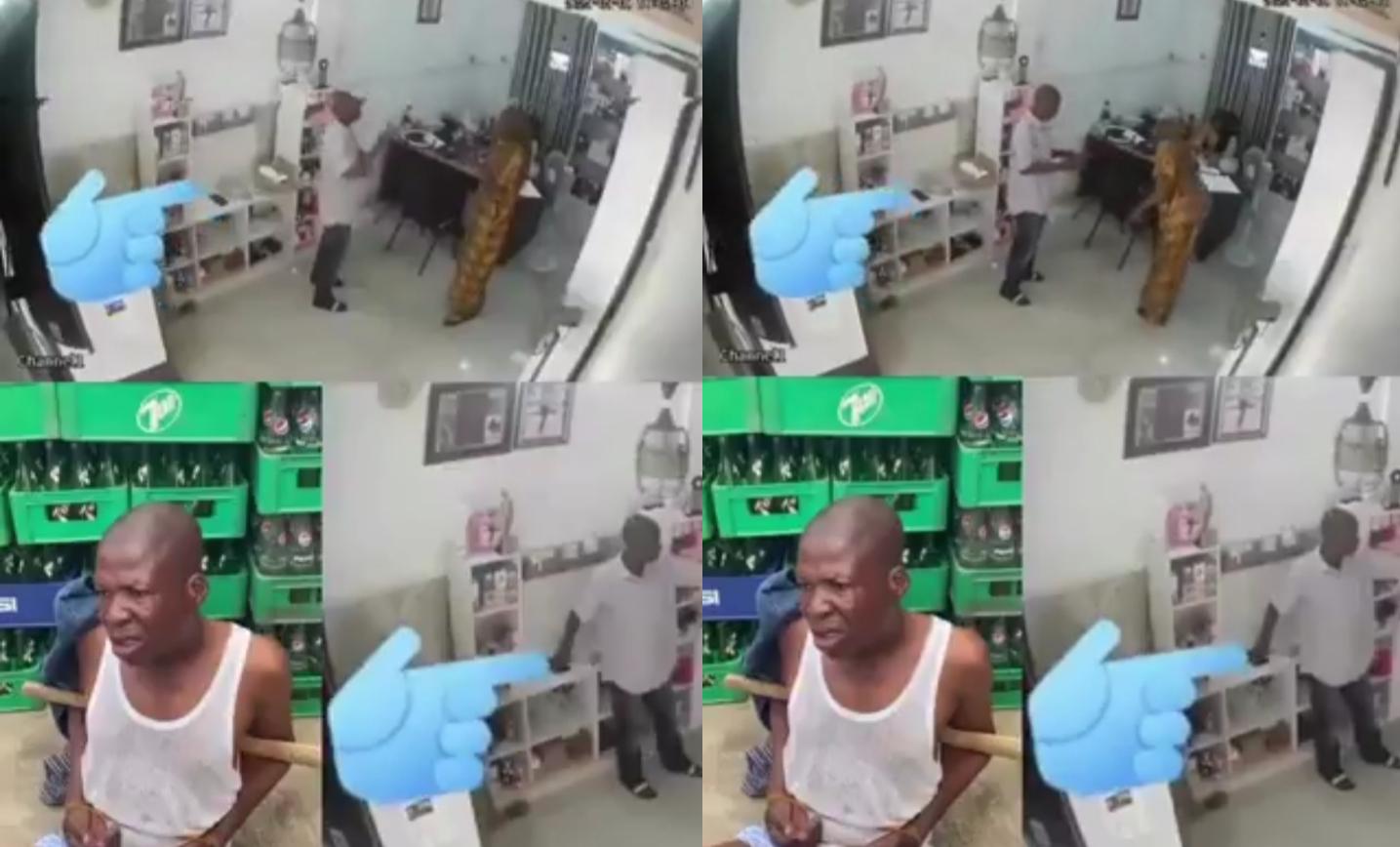
Genuine, visible discipline for officers caught demanding bribes, since the Kaduna Police Command’s recent probe into a viral extortion video shows public pressure can force action when the evidence is clear.
Wider use of technology, such as number-plate cameras and toll-style tracking, to cut down on face-to-face cash exchanges at the roadside.
Regular, independent monitoring of high-traffic corridors, similar to the count-based reports researchers and journalists already do, to hold agencies accountable with real numbers.
Setting the record straight on what “insecurity” really costs
We think this is a case where two different problems get lumped under the same word: insecurity. In parts of the North, insecurity means the real danger of kidnapping and armed attack. In much of the South, insecurity often looks more like the everyday cost of dozens of small, semi-legal tolls collected by people meant to protect the road. Both are serious, but they call for different fixes. We believe Nigerians deserve checkpoints that actually check for danger, not palms that check for cash, and that transparent, joint operations between agencies would go further to restore public trust than adding yet more roadblocks to already congested highways.
Published by Ejoh Caleb