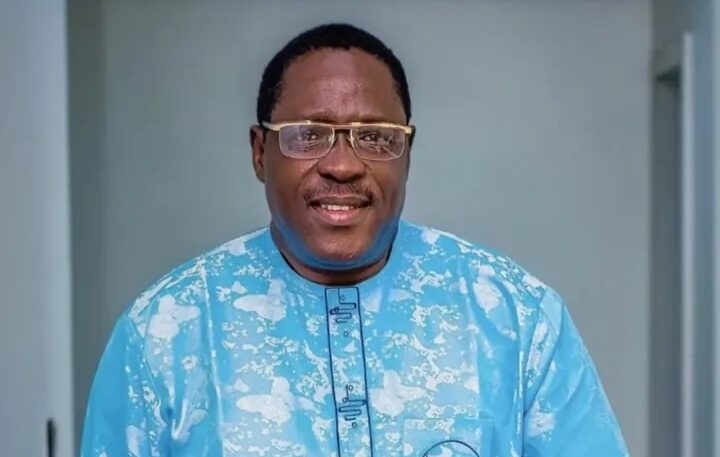

Nnamdi Azikiwe University (UNIZIK), Awka, has suspended Professor Ifeanyi Sunny Odinye of the Department of Chinese Studies for three months on half salary. The university said he broke its General and Academic Regulations (GAR — the rulebook that guides how staff and students must behave on campus).
The suspension comes from an interim (not yet final) report by a six-member Special Investigative Panel. The Vice-Chancellor, Professor Ugochukwu Bond Stanley Anyaehie, approved the panel’s recommendation on the strength of two out of five issues the panel was asked to look into. The other three, including the sexual harassment allegation, are still being investigated and should be concluded within two weeks.
Odinye was suspended for two specific failures. He did not fill and submit the required Examination Misconduct Report Form for a case involving a student, Chikamso Favour Okechukwu. He also returned a phone recovered during the alleged exam malpractice to the same student on the same day, instead of keeping it as evidence.
How the matter became public
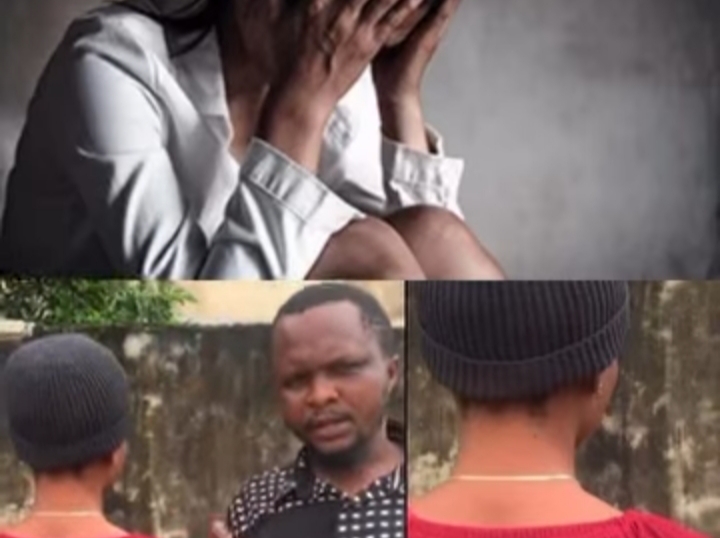
A week before the suspension, a video showing Odinye being attacked and stripped by a group of suspected students went viral on social media. The video reportedly showed a female student coming out of his office accusing him of attempting to sexually assault her, while people believed to be students chased him as he tried to leave the campus.
According to reports, the female student is the same one Odinye had earlier caught for exam malpractice. The panel has not yet decided whether the sexual harassment allegation is true. It has also not yet said who attacked Odinye or whether there was any kidnapping linked to the incident.
This is not the first sex-related scandal to rock a Nigerian university
Cases like this keep happening in Nigerian tertiary institutions. Some past examples:
In 2018, Obafemi Awolowo University (OAU) sacked Professor Richard Akindele after a leaked audio recording showed him demanding sex from a female student in exchange for marks. He was later convicted and sentenced to two years in prison.
In 2019, an undercover BBC Africa Eye documentary exposed lecturers demanding sex from students at the University of Lagos (UNILAG) and the University of Ghana, leading to suspensions at both schools.
In 2023, a University of Calabar law professor, Cyril Ndifon, was suspended as dean over similar allegations and later faced trial.
A review of cases between 2021 and mid-2026 found that more than 60 lecturers across Nigerian universities and polytechnics have been suspended, sacked, or prosecuted over sexual misconduct allegations in five years, showing that the problem is widespread and ongoing.
What usually causes this problem, and who it hurts
Cases like this tend to repeat for a few reasons. Lecturers often have a lot of power over students’ grades and academic futures, which some abuse. Many victims stay quiet out of fear that reporting will hurt their results or reputation. A 2018 World Bank survey found that about 70 percent of female graduates from Nigerian tertiary institutions had experienced some form of sexual harassment during their studies, with lecturers and fellow students named as the main offenders.
The effects go beyond the individuals involved. Students who face harassment can lose trust in their teachers and drop out or underperform. For the accused, suspension halts income and career, even before guilt is proven. For the wider country, repeated scandals damage the reputation of Nigerian universities at home and abroad, which can affect how much international bodies and employers trust degrees from Nigerian schools. It also feeds public anger at how slowly and quietly many institutions have historically handled these cases, which is part of why the video of Odinye being attacked spread so fast — some Nigerians see mob action as the only way justice gets served on campus.
What could help fix this
Some possible solutions raised by past cases include:
Faster, transparent investigations, so that both accused staff and victims are not left waiting for months or years, as has happened in some past Nigerian cases.
Clear, well-enforced anti-harassment policies with independent reporting channels, so students do not have to depend only on the same department where the accused works.
Legal reform: the Nigerian House of Representatives is currently considering a bill to impose stiffer penalties on lecturers found guilty of harassing students.
Protecting students from mob justice, since attacking a suspect, even one accused of a serious crime, is itself illegal and can complicate a fair investigation.
Our closing thoughts
We think this case shows two things happening at once. On one hand, UNIZIK acted fairly quickly on the exam-related infractions, which is a good sign that the university is not simply protecting the professor. On the other hand, the sexual harassment allegation, the far more serious one, is still unresolved two weeks after it happened. We believe institutions must resist the temptation to punish the “easier” offence first while leaving the harder, more serious one to drag on, as this can look like a way of appearing tough without actually addressing the core issue. We hope the panel’s final report in two weeks gives Nigerians, and especially Odinye’s students, real clarity, and we would also caution the public against celebrating vigilante violence, since due process protects everyone, including future victims.
Published by Ejoh Caleb