The Nigeria Police Force has arrested four people, including two hospital consultants, over an alleged scheme that lured poor, vulnerable Nigerians into giving up a kidney for cash.
What happened?
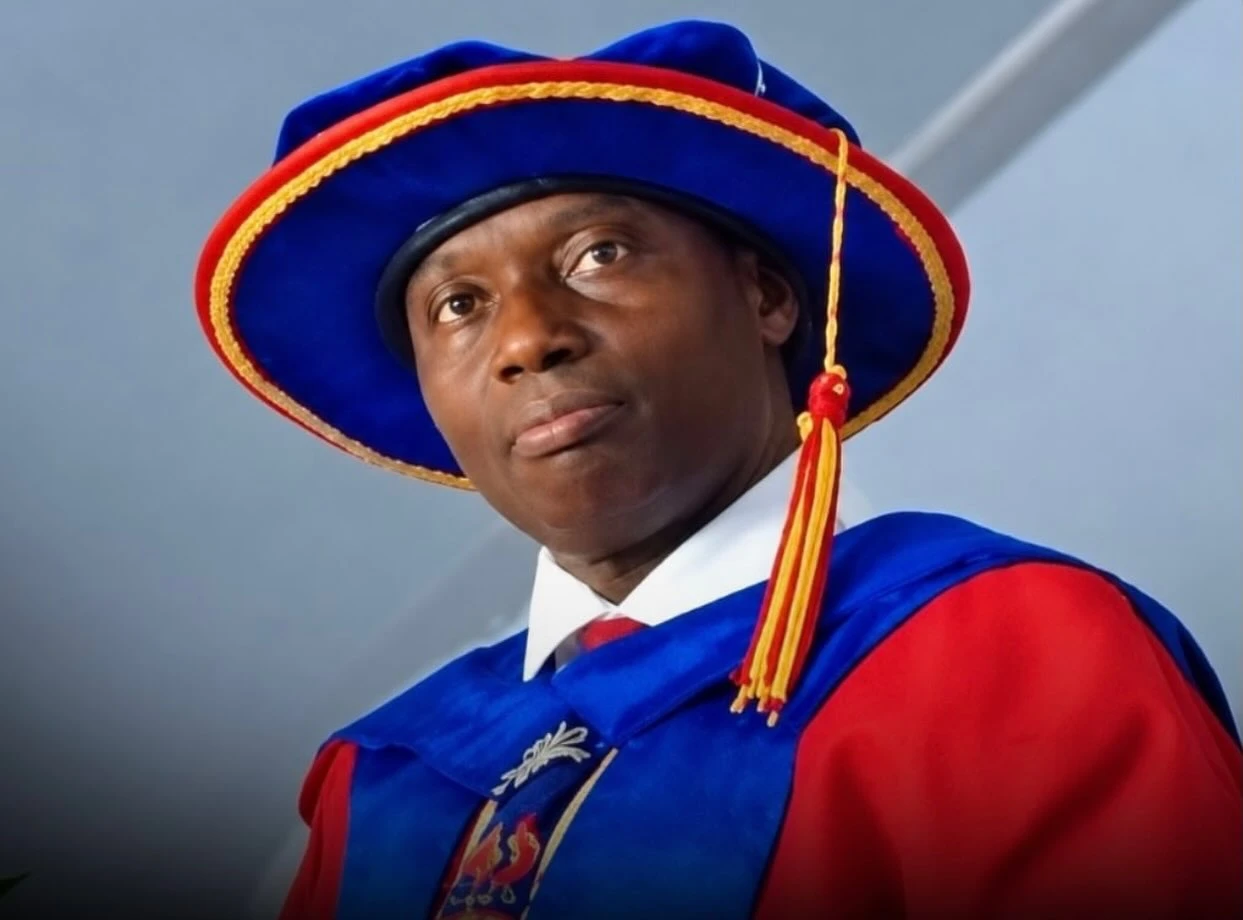
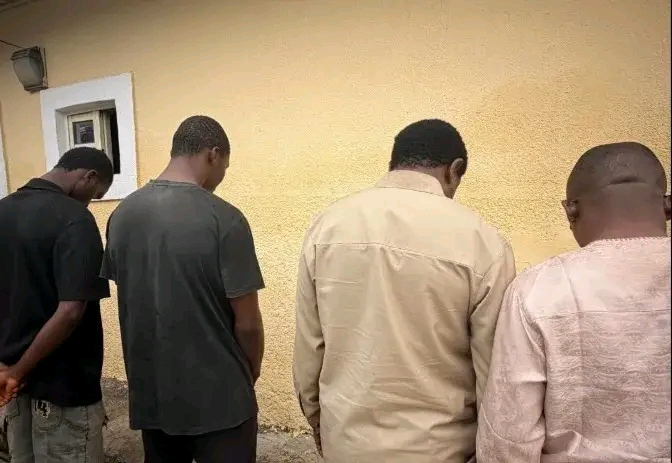
Officers from the police’s Special Tactical Squad carried out a sting operation on August 19 in Auta Balifi, a community in Karu LGA of Nasarawa State, after receiving intelligence about the alleged syndicate. Four suspects were arrested and paraded before journalists: Emmanuel Ode, 23, described as a recruiter; Dr Benjamin Oyime, 48, a nephrologist (a doctor who specialises in kidney care) and consultant at Wellington Hospital in Abuja’s Life Camp area; Dr Daniel Otukpa, 53, also a nephrologist and the hospital’s Acting Director of Clinical Services; and David Idoko, 25.
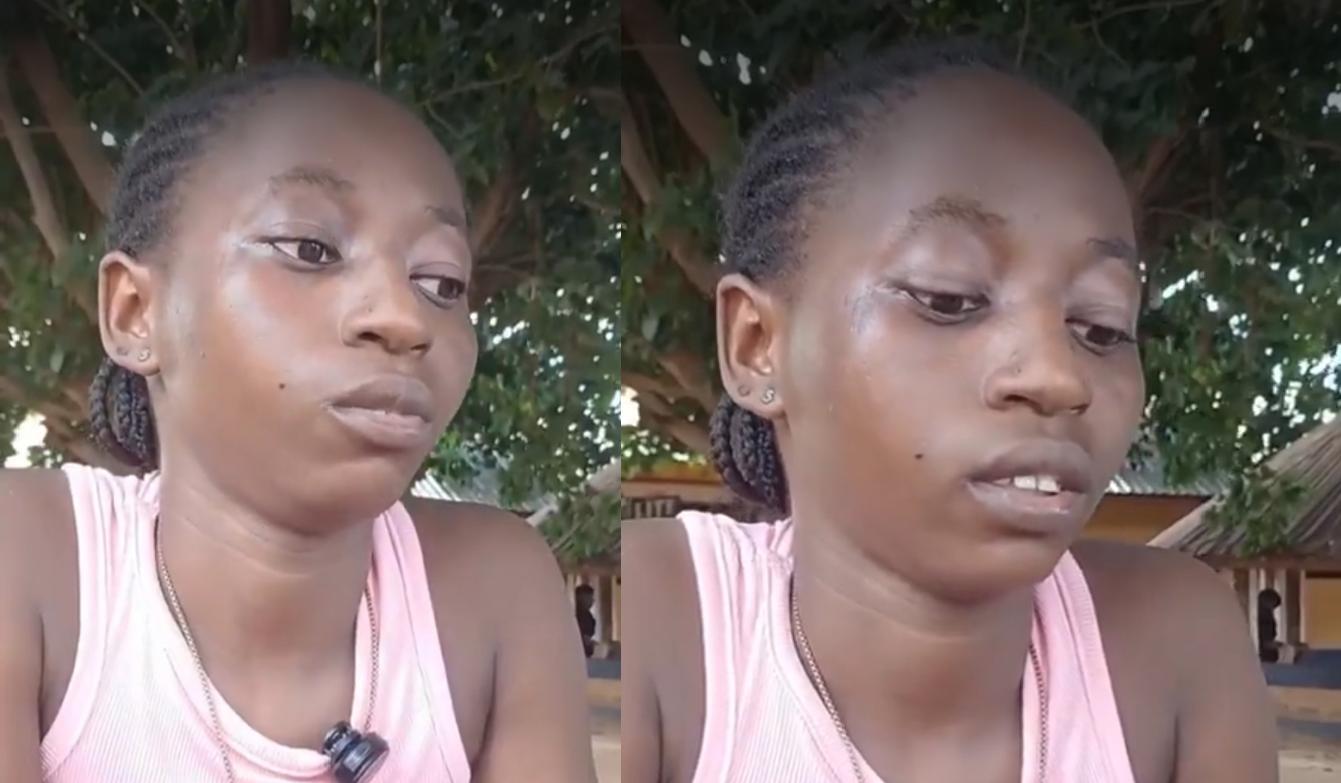
According to police, the syndicate targeted young people who were poor and had little formal education, in Nasarawa State and nearby communities, exploiting their financial hardship to obtain what investigators called “consent” for illegal organ removal. During questioning, Ode allegedly admitted to recruiting a 22-year-old man, Samuel Ezekiel, in April, luring him to Wellington Hospital where his kidney was removed; the victim was reportedly paid the naira equivalent of $1,250 — about ₦1.7 million — for the organ. Police say a second victim, recruited by the same syndicate back in 2022, was paid ₦7 million after a similar procedure. Investigators also allege the group forged official documents, including national ID numbers, birth certificates, and consent letters, to make the illegal procedures look legitimate on paper.
A pattern beyond one hospital
Illegal organ trafficking has surfaced in Nigeria before, often tied to the country’s shortage of legal, regulated pathways for organ donation and the desperation of people needing transplants who cannot get one through legitimate means. Because Nigeria’s organ transplant framework is still developing, cases like this expose a dangerous grey area where medical professionals — people patients are supposed to trust completely — can be accused of taking advantage of that gap.
Causes and effects
The syndicate’s alleged model relied on two forms of desperation at once: patients desperate for kidneys, and poor young people desperate for cash. Weak regulation of private hospitals and a lack of independent oversight of transplant consent processes made it easier, police say, for the group to operate. The effects are severe and often permanent for victims — losing a kidney carries lifelong health risks, and the compensation offered was a fraction of what such an organ would cost through legitimate, regulated means abroad.
At a national level, cases like this damage public trust in the medical profession as a whole and raise urgent questions about how well Nigeria’s private hospitals are regulated and monitored — questions health authorities will now have to answer.
What can be done?
Nigeria needs stronger, independently verified consent processes for any organ donation, ideally involving oversight bodies separate from the hospital performing the procedure. Regular audits of private hospitals offering transplant services, and tougher penalties specifically targeting medical professionals who abuse their position, would also help close this loophole. Public education about the health risks of “donating” a kidney for cash could discourage vulnerable people from being drawn in to begin with.
The Bottom Line
What stands out here is that this wasn’t back-alley crime — it allegedly involved senior consultants at a private hospital, the kind of people patients are trained to trust without question. When medicine itself becomes the cover for exploitation, it should worry all of us, not just because of this one case, but because of how many similar cases might be going undetected in hospitals with less scrutiny.
Published by Ejoh Caleb