Nigeria’s top police officer has travelled to Niger State to personally oversee efforts to rescue hundreds of worshippers who were snatched from their mosques weeks ago, as the country’s kidnapping crisis shows no sign of slowing down.
What happened in Borgu?
On August 21, gunmen attacked five communities in Borgu Local Government Area (LGA, Nigeria’s version of a local council area) — Dekara, Kpenya, Sabon-Gida, and Gidan-Zana — during Friday prayers. The attackers surrounded mosques right after worship ended and abducted an unspecified number of people. The area’s difficult terrain, described by police as one of the largest and most rugged LGAs in the country, has slowed the search for the victims.
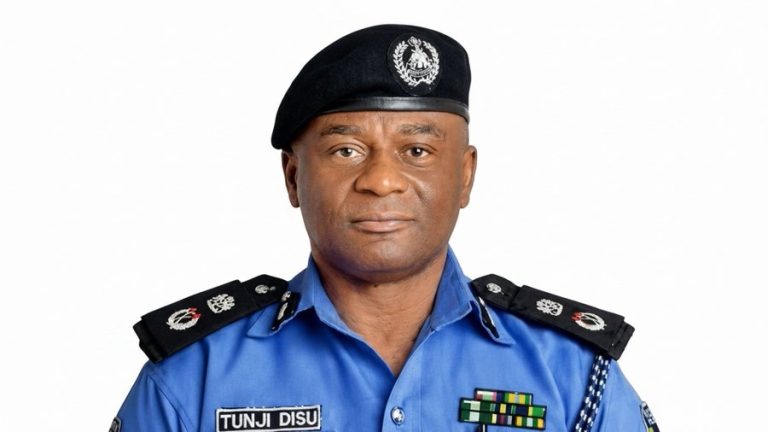
Inspector-General of Police (IGP) Olatunji Rilwan Disu visited Niger State this week to check on the operation himself. He said the goal of the visit was to understand the situation on the ground and figure out what more is needed to bring the victims home safely. According to the police, tactical teams, a counter-terrorism squad, the Special Intervention Squad, and bomb disposal experts have all been deployed to support the rescue.
Why does this keep happening?
This is not an isolated case. Just three weeks before the Borgu attack, security forces freed 308 people who had been held in the nearby Kainji Lake National Park forest — people taken from Woro in Kwara State and other Borgu communities in an earlier raid. Further back, in November 2025, gunmen abducted more than 300 pupils, students, and staff from a Catholic school in Papiri, also in Niger State, in one of the largest school kidnappings in the country’s history. Investigators have linked some of these operations to a militant group known as Lakurawa, which appears to be using the forest as a base rather than just a hideout — a sign that this is now organised, not opportunistic, crime.
The Catholic Bishops’ Conference of Nigeria has condemned what it called an unabated wave of violence sweeping the country, and has thrown its support behind the mostly Muslim victims of the Borgu attack, stressing that the cause of protecting citizens applies to Nigerians of every faith.
Causes and effects
Analysts point to a mix of factors: thick, hard-to-police forest terrain that criminal groups can hide in for months; the presence of organised extremist networks rather than just local bandits; and a security architecture stretched thin across a country facing kidnapping threats in almost every region at once. The local effects are already visible — families displaced multiple times, some fleeing as far as neighbouring Benin Republic, and entire villages emptied of residents who no longer feel safe returning home.
Nationally, repeated mass abductions like this chip away at Nigeria’s international image and investor confidence, strain an already overstretched security budget, and deepen distrust between citizens in the north-central region and the federal government’s ability to protect them.
What can be done?
Security experts have repeatedly called for permanent military or police bases inside forest corridors like Kainji, rather than one-off operations that end once a rescue is complete. There are also renewed calls for better funding and staffing of state-level security outfits, and for intelligence-sharing between communities and security agencies to be built on trust rather than fear, since many attacks are reported late due to distance and distrust.
Where We Stand
It is hard not to notice the pattern: an attack happens, security forces are deployed, victims are eventually freed, and then, weeks later, gunmen strike again in the same general area. Until the forest itself is secured — not just cleared after the fact — Borgu and its neighbours will likely keep making headlines for the wrong reasons. We believe real solutions need sustained presence, not just reactive rescue missions.
Published by Ejoh Caleb