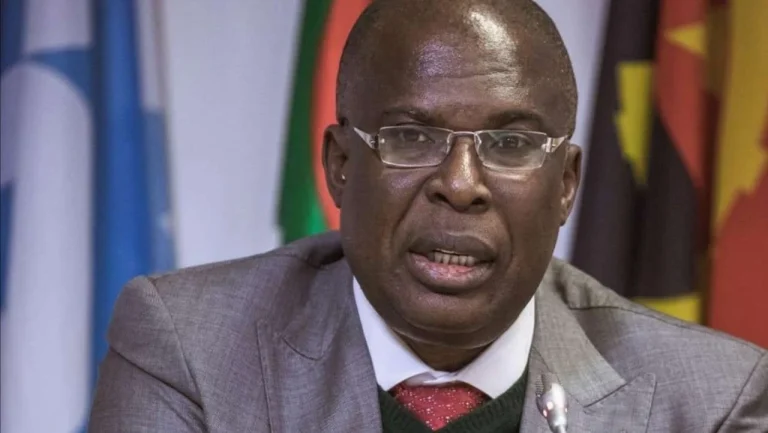
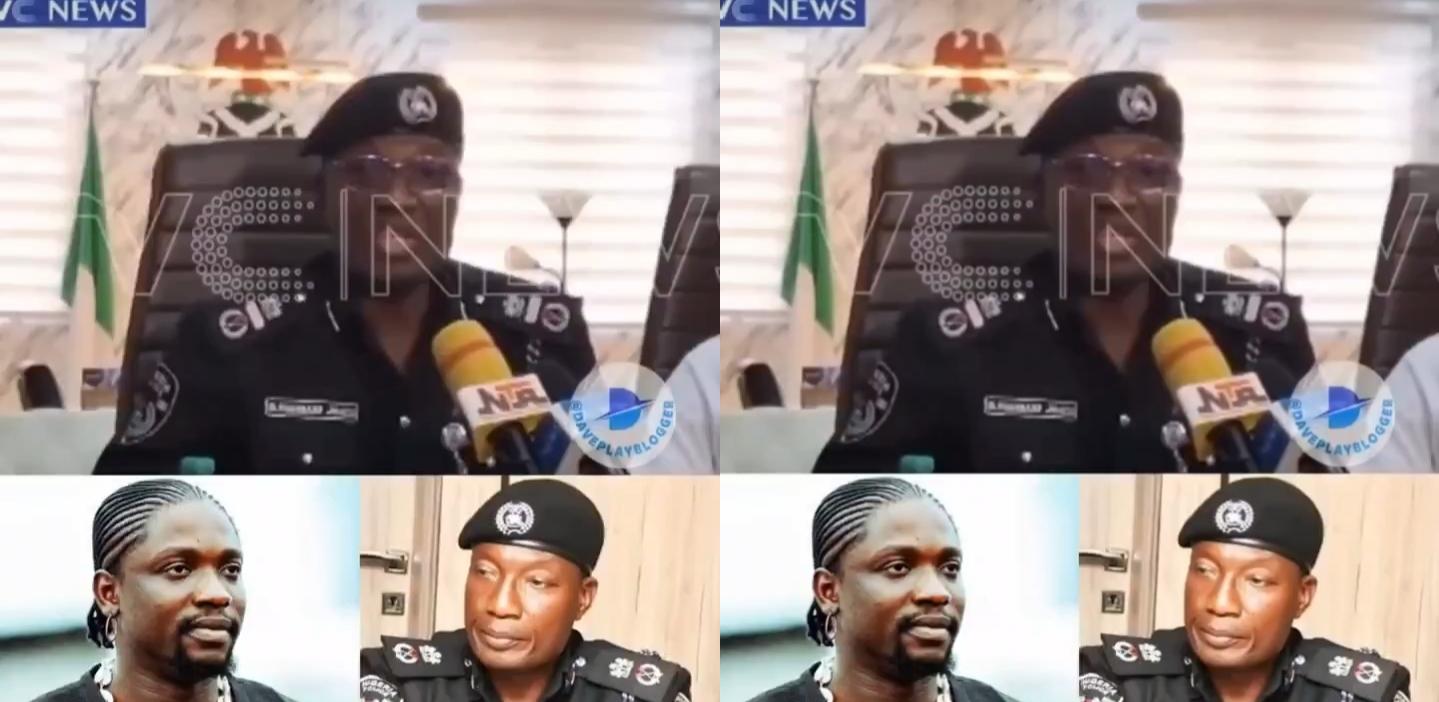
Assistant Inspector-General of Police (AIG), Zone 2, Olohundare Moshood Jimoh, has declared that he will not respond to online activist VeryDarkMan (VDM — real name Martins Vincent Otse) over allegations linking him to the Ajiran double murder case, saying anyone concerned about the matter should go to court instead.
“I won’t stoop so low to respond to VeryDarkMan. If you are concerned about the case, head to the court,” Jimoh reportedly said. He made the comment as members of a civil society organisation paid him a solidarity visit following VDM’s public allegations.
How the Ajiran Case Became a Public Battle
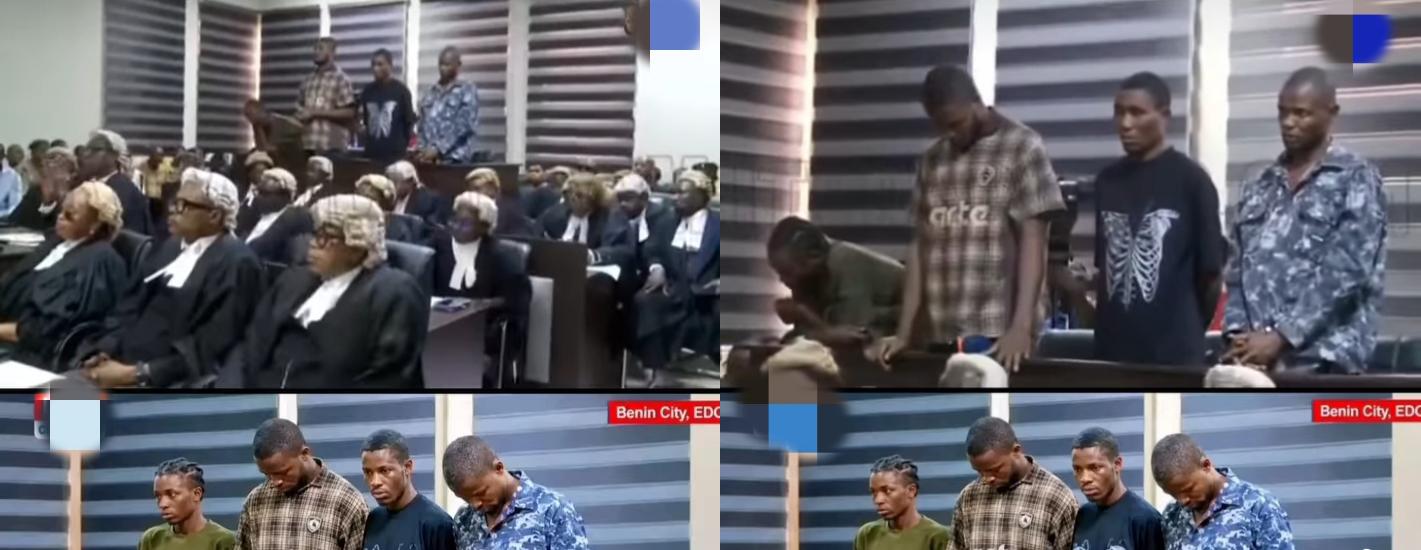
The controversy stems from the 2026 investigation into the killings of Prince Ademola Akinloye and Sheriff Ishola Salami in Ajiran, Eti-Osa Local Government Area of Lagos State. Records reviewed by several outlets show the probe was reopened after a formal petition from Chief Rotimi Williams’ Chambers, acting for the Ojomu Chieftaincy Family of Ajiran, and that the Inspector-General of Police directed the then Lagos Commissioner of Police, Jimoh, to investigate.
Police accounts describe both killings as premeditated, gang-executed attacks. Salami, 37, was ambushed on April 18, 2023, in Moba, Ajah, by armed men who dragged him into an isolated building and shot him multiple times at close range. Akinloye, 38, the son of the Ojomu of Ajiranland, was shot dead in broad daylight along Chevron Road, Ajiran, on August 26, 2024, in what police say was a similar operation by the same gang. Suspects in custody reportedly confessed that a Lagos businessman paid them to carry out both killings, and the alleged sponsor was later arrested abroad and handed over to Jimoh’s command.
VeryDarkMan has since publicly accused Jimoh of being “extremely corrupt” and a threat to the justice system, and has dared him to sue for criminal defamation if the claims are false. A group of youths from the Ajiran community has echoed the allegations, insisting Jimoh is compromising the case and demanding an independent probe.
On the other side, several civil society coalitions, including the Centre for Human and Socio-Economic Rights and the Centre for Advocacy for Credible Leadership, have rejected the corruption claims as baseless and commended Jimoh’s handling of the investigation, pointing to official memos and court authorisations they say back his account. The case itself remains before the courts, with the accused still presumed innocent until proven guilty.
A Country With a Long List of Killings That Went Nowhere
Suspicion around how police handle high-profile killings does not come from nowhere. Nigeria has a long history of prominent murders, many involving politicians, where investigations stalled and no one was ever convicted.
Dele Giwa, a pioneering journalist, was killed by a parcel bomb in 1986; nearly forty years later, his killers have never been identified, though a federal court ordered the case reopened in 2024. Bola Ige, a sitting Attorney-General and Justice Minister, was shot dead in his Ibadan home in 2001; several suspects were tried and acquitted, and the real killers were never found. Lagos politician Funsho Williams was found strangled and stabbed in his home in 2006 while seeking a governorship ticket, and no one was ever arrested for it. Politicians Marshall Harry and Dipo Dina were both assassinated in the early 2000s under circumstances that remain unresolved to this day.
More recently, an investigation into policing in South-East Nigeria found a pattern of unresolved political killings, including the assassination of a Labour Party senatorial candidate and a state science institute director, which victims’ families say were never properly investigated. This history is part of why activists like VDM find an audience when they accuse senior officers of shielding suspects: Nigerians have seen this story end without justice too many times before.
Why This Keeps Happening: Influencers vs. Institutions
Cases like this have become common in Nigeria, where social media influencers with large followings increasingly act as informal prosecutors, naming and accusing public officials before any court has ruled. Recent history includes similar high-profile spats where VeryDarkMan has confronted other public figures over alleged wrongdoing, often forcing institutions to respond publicly rather than through formal channels.
A few things drive this pattern:
Slow or opaque official processes: When investigations move slowly or without public updates, citizens and activists fill the silence with their own narratives.
The reach and speed of social media: A single video or post can reach millions before any official statement is issued, putting institutions on the back foot.
Public distrust of the police: Years of corruption allegations against various officers make audiences quick to believe claims against any senior officer, true or not.
Incentives for influencers: Public confrontations with powerful figures generate attention and followership, which can blur the line between genuine accountability activism and content-driven provocation.
Why It Matters Beyond These Two Individuals
This is not simply a disagreement between one police officer and one online activist. How it plays out affects public trust in two directions at once. If serious allegations against a senior police officer are dismissed as “just social media noise,” genuine misconduct could go unchecked. But if officials can be pressured into public responses, transfers, or reputational damage purely from unverified online claims, without evidence tested in court, it undermines due process and could discourage capable officers from taking on sensitive cases at all.
Possible Solutions
Government institutions should communicate investigation updates more proactively and promptly, reducing the information vacuum that fuels speculation.
Allegations of corruption against public officials should be formally reported to anti-corruption bodies like the Independent Corrupt Practices Commission, not settled through public back-and-forth online.
Where an official believes they have been defamed, following through on legal action, as Jimoh has been challenged to do, would set a clearer precedent than public statements alone.
Media platforms and influencers should be encouraged to present verifiable evidence alongside allegations, rather than accusations based solely on claims.
The judiciary should ensure the underlying Ajiran murder case itself is heard and concluded without undue delay, since a resolved case would settle much of the surrounding controversy.
Our Take
Jimoh’s line — that anyone concerned should go to court, not to social media — is, on its face, the correct constitutional answer. Nigeria’s justice system is supposed to run on evidence tested before a judge, not verdicts delivered in comment sections. But that answer only holds up if the courts themselves move with enough speed and transparency that citizens don’t feel forced to shout online just to be heard. Until that trust is rebuilt, officials will keep facing trial by hashtag, whether or not it’s fair to them.
Published by Ejoh Caleb