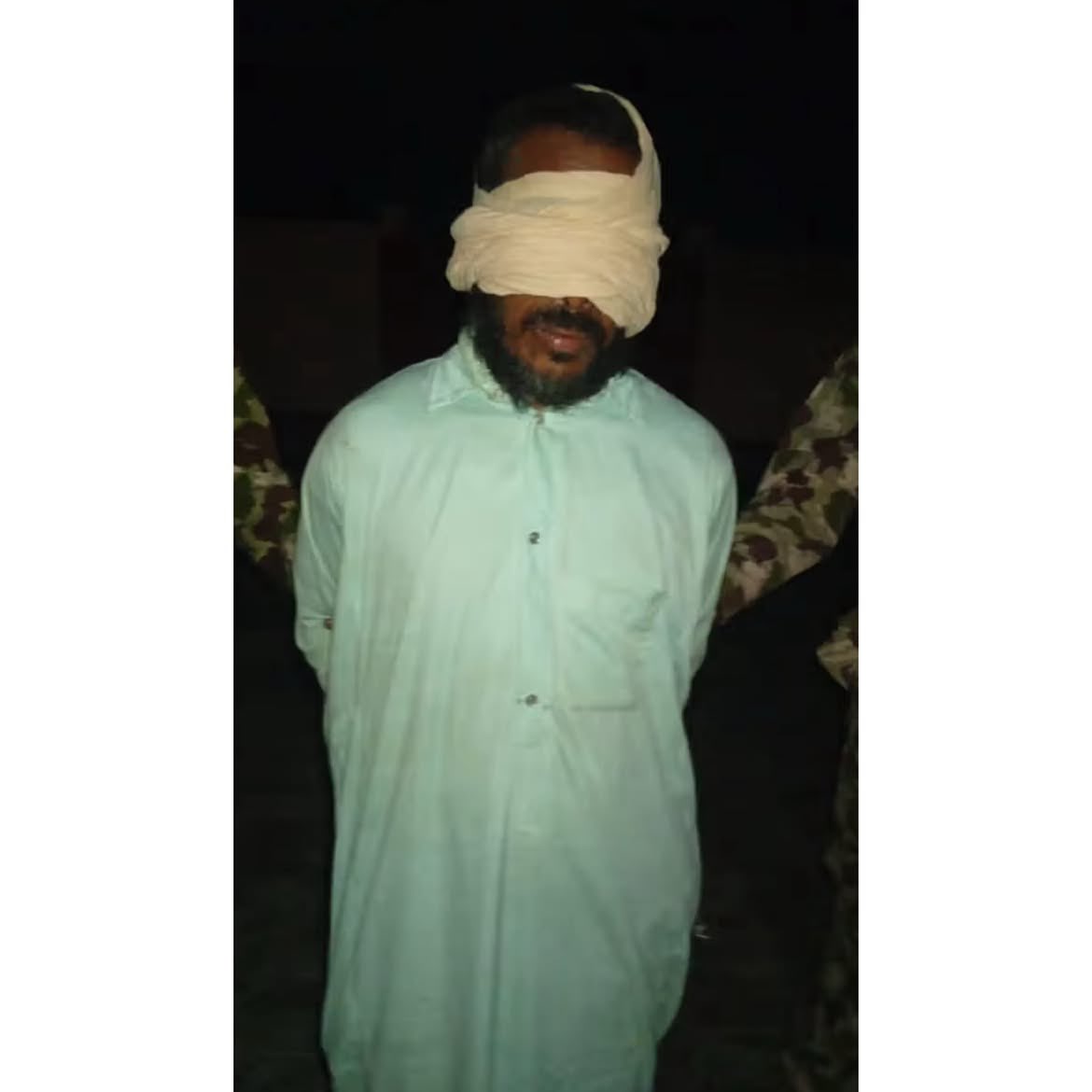
Nigerian troops have arrested a suspected Islamic State (ISIS) fighter believed to be an Arab of Moroccan origin during a counter-terrorism operation in Cross Kauwa, Kukawa Local Government Area of Borno State.
Although security agencies are still investigating the suspect to confirm his identity and role, the arrest is another reminder that terrorism remains one of Nigeria’s biggest security challenges.
A Painful History of Terrorism in Nigeria
For more than a decade, Nigeria has faced repeated terrorist attacks, especially in Borno, Yobe and Adamawa States.
One of the darkest moments came in 2014, when more than 270 schoolgirls were abducted from Government Girls Secondary School in Chibok, Borno State. The incident shocked the world and led to the global #BringBackOurGirls campaign. While many of the girls were later rescued or released, some never returned home.
In the same year, terrorists attacked Gwoza, taking over the town and forcing thousands of residents to flee. Several communities across Borno State also came under attack, leaving many people dead or displaced.
In 2018, fighters attacked Dapchi, Yobe State, where more than 100 schoolgirls were kidnapped. Most were later released, but one student, Leah Sharibu, remained in captivity for years after reportedly refusing to renounce her Christian faith.
Over the years, towns such as Maiduguri, Bama, Damboa, Monguno, Kukawa, Marte, Konduga, and Baga have experienced attacks that destroyed homes, schools, markets and places of worship.
The Baga attack remains one of the deadliest incidents linked to the insurgency. Entire communities were destroyed, many people were killed, and thousands fled for safety.
Even outside the North-East, terrorist attacks have raised concerns. In 2022, gunmen attacked St. Francis Catholic Church in Owo, Ondo State, killing worshippers during a Sunday service. Although different groups have been linked to attacks in different parts of the country, the incident showed that insecurity can affect communities far from the main conflict areas.
The Human Cost
Thousands of Nigerians, including civilians, soldiers, police officers and aid workers, have lost their lives because of terrorism.
Millions of people have been forced to leave their homes and now live in Internally Displaced Persons (IDP) camps or with relatives in safer communities.
Many children have lost access to education because schools were destroyed or closed due to insecurity. Families have also lost farms, businesses and their only means of earning a living.
Economic Impact
Terrorism has cost Nigeria billions of naira.
Money that could have been used to build schools, hospitals, roads and create jobs has instead gone into fighting insecurity.
Many farmers in the North-East have abandoned their farms because of fear of attacks, reducing food production and contributing to rising food prices.
Businesses have closed in affected areas, while some foreign investors remain cautious because of security concerns.
Nigeria’s Image Abroad
News about terrorism often affects how people around the world see Nigeria.
Many foreigners only hear about Nigeria when there are reports of terrorist attacks, kidnappings or insecurity. This creates the wrong impression that the entire country is unsafe.
The truth is that Nigeria is home to millions of peaceful, hardworking people who simply want to live, work and raise their families in peace.
Why This Arrest Matters
If confirmed, the arrest of a suspected foreign ISIS operative shows that terrorist groups may still be trying to operate across borders.
It also shows that Nigerian security forces are continuing their efforts to stop attacks before they happen.
Every successful operation helps weaken terrorist networks and improves the safety of communities.
What More Should Be Done?
The military cannot win this fight alone.
Nigeria must continue to strengthen intelligence gathering, improve border security and work closely with neighbouring countries such as Niger, Chad and Cameroon.
The government should also create more opportunities for young people through education, skills training and jobs, while rebuilding communities affected by violence.
Citizens also have an important role to play by reporting suspicious activities and supporting security agencies with useful information.
Final Thoughts
The arrest of this suspected foreign ISIS operative is a welcome development, but it also reminds us that the fight against terrorism is not over.
Nigeria has paid a heavy price through the loss of lives, destruction of communities, school kidnappings and years of fear and displacement.
The country has made progress, but there is still work to do. With strong security operations, better intelligence, regional cooperation and the support of citizens, Nigeria can continue to reduce the threat of terrorism and build a safer future for everyone.
Published by Ejoh Caleb