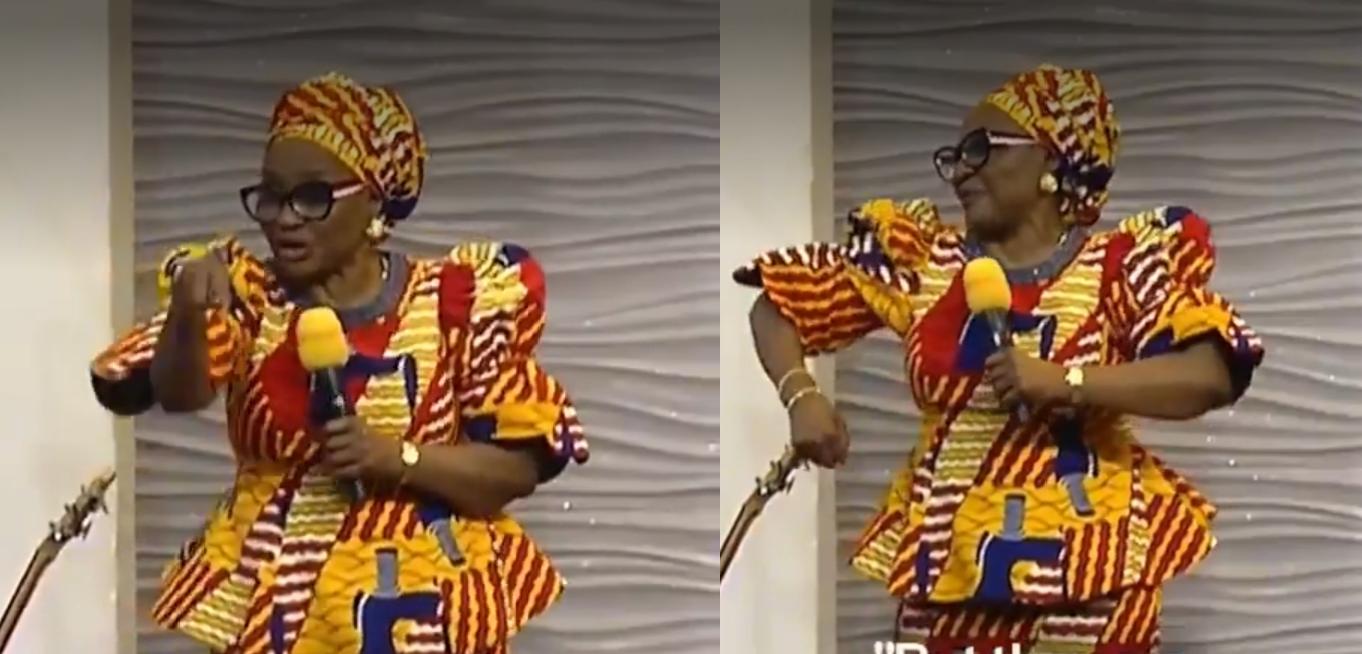

The High Court of Lagos State has granted an interim order restraining Nollywood actress Elizabeth Aishat Ibukun Anjorin Lawal, popularly known as Lizzy Anjorin, from publishing, posting, circulating, uploading, or broadcasting pictures of one-year-old Rakeem Mkambala, the son of actress Priscilla Ojo and Tanzanian singer Juma Jux, on social media.
Justice Yetunde Adesola Adesanya of the Lagos Judicial Division granted the order on Wednesday, September 2, 2026, in Suit No. LD/ADR/6646/2026. The application was filed by Priscilla Ojo Mkambala, her husband Juma Mussa Mkambala, and their son, Master Rakeem Mkambala, as joint applicants.
The order restrains Anjorin, whether personally or through her agents, representatives, employees, or anyone acting under her authority, from publishing the child’s pictures on any of her listed social media accounts across Instagram, Facebook, WhatsApp, and TikTok. A second part of the order also bars her from broadcasting, publishing, or posting editorial content about the applicants on those same accounts, pending the full hearing of the case.
Priscilla Ojo shared a certified true copy of the order on her Instagram Story shortly after it was granted. Anjorin has since dismissed the order publicly, going live on Instagram to question its validity and continuing to post the kind of content the order restrains her from sharing. It is worth noting this is only an interim order, meaning the underlying allegations on both sides have not yet been decided by the court.
A Feud With a Long Paper Trail
This is not the first time this dispute has reached a Nigerian courtroom. In 2023, Priscilla’s mother, actress Iyabo Ojo, filed a ₦1 billion defamation suit against Anjorin over her social media allegations. That case was dismissed in mid-2025 on procedural grounds, after the court found the writ of summons had not been properly signed when filed. The dispute has continued since then through social media confrontations, a proposed celebrity boxing match, and public claims from Anjorin questioning the parentage of Priscilla’s child, claims that have not been independently verified and were not part of the court’s findings.
Court action against online harassment is becoming more common among Nigerian public figures generally. In 2023, a Federal High Court sentenced a TikToker to three years in prison, or a fine, for cyberstalking Nollywood actress Eniola Badmus. More recently, influencer May Edochie went to a Lagos court in mid-2026 seeking a perpetual injunction and the shutdown of accounts she said were used to cyberbully, defame, and harass her, saying the harassment had also exposed her family members to danger.
Why These Cases Keep Multiplying, and What They Cost the Public
Public feuds between Nigerian celebrities often escalate because social media rewards conflict. Dramatic accusations and live videos attract views and engagement, giving both sides an incentive to keep the fight going rather than settle it quietly, even when a child is caught in the middle. Nigeria’s Cybercrimes Act criminalises using digital communication to threaten or harass someone, but weak or slow enforcement has meant that many public figures now turn to civil courts for injunctions instead of waiting on criminal prosecution.
The people affected go well beyond the two feuding families. A one-year-old child has now had his image become the subject of a court case simply because of an adult dispute he has no part in, raising broader questions about how much protection Nigerian law gives children caught up in their parents’ public lives. For the country as a whole, cases like this add to a growing pile of celebrity court battles over online conduct, at a time when Nigeria’s courts already face a large backlog of cases. Each new suit tests how well Nigeria’s cyberbullying and defamation laws can keep pace with a social media culture that often rewards exactly the behaviour those laws are meant to discourage.
What Could Help Break This Cycle
Faster enforcement of existing cyberbullying and defamation laws, rather than relying mainly on civil injunctions after harm has already spread online, would give public figures a quicker and more reliable route to protection. Clearer, mandatory takedown timelines for social media platforms once a Nigerian court order is served would also help, since screenshots and videos can spread widely in the time it takes an order to be formally enforced.
Specific safeguards for children of public figures, who cannot consent to or defend themselves from being dragged into their parents’ disputes, deserve more direct attention in how Nigerian courts and platforms handle these cases. Public figures themselves also have a role to play: choosing legal channels early, rather than escalating disputes through live videos and social media posts, could prevent some of these feuds from reaching the courts in the first place.
A Line That Shouldn’t Need a Court Order to Enforce
We think it’s telling that it took a formal court order to stop an adult from posting pictures of a one-year-old child. Whatever the merits of the wider feud between Anjorin, Iyabo Ojo, and Priscilla Ojo, a toddler should never have become part of it. Anjorin’s decision to publicly dismiss the order and keep posting raises a separate question the courts will now have to answer: what actually happens when a public figure decides a restraining order doesn’t apply to them. How that question is resolved will matter far beyond this one feud, for anyone hoping Nigeria’s courts can keep pace with what happens on social media.
Published by Ejoh Caleb