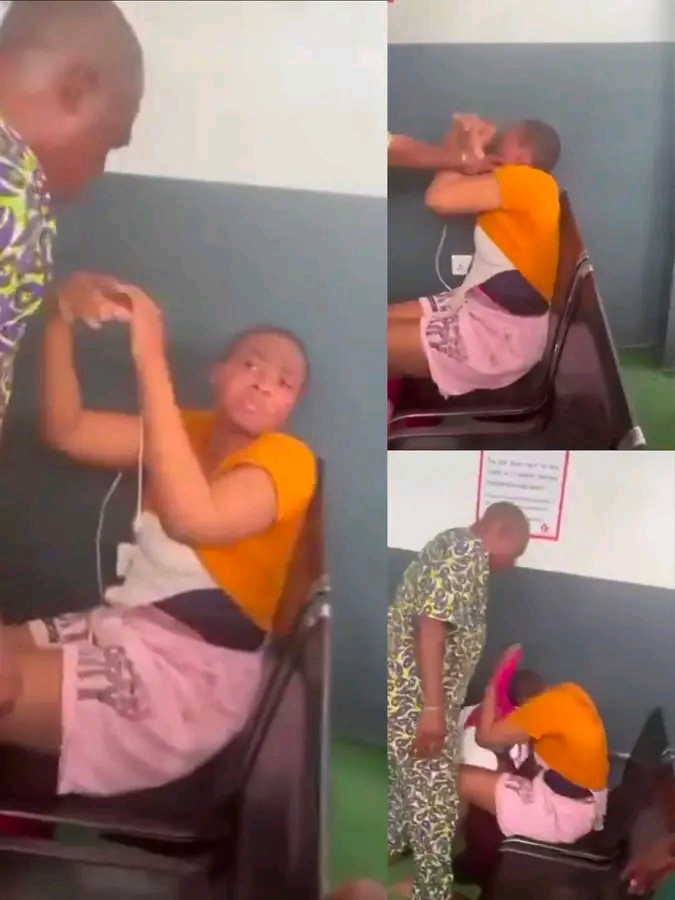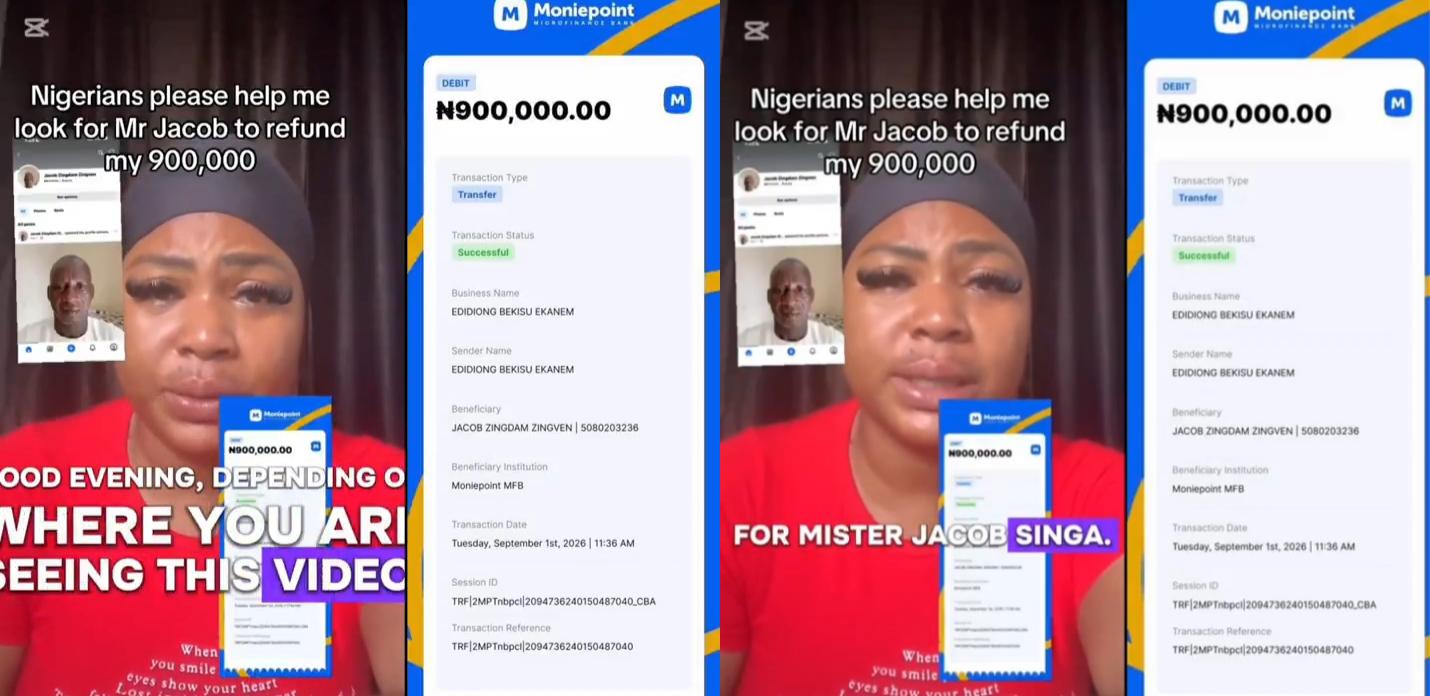
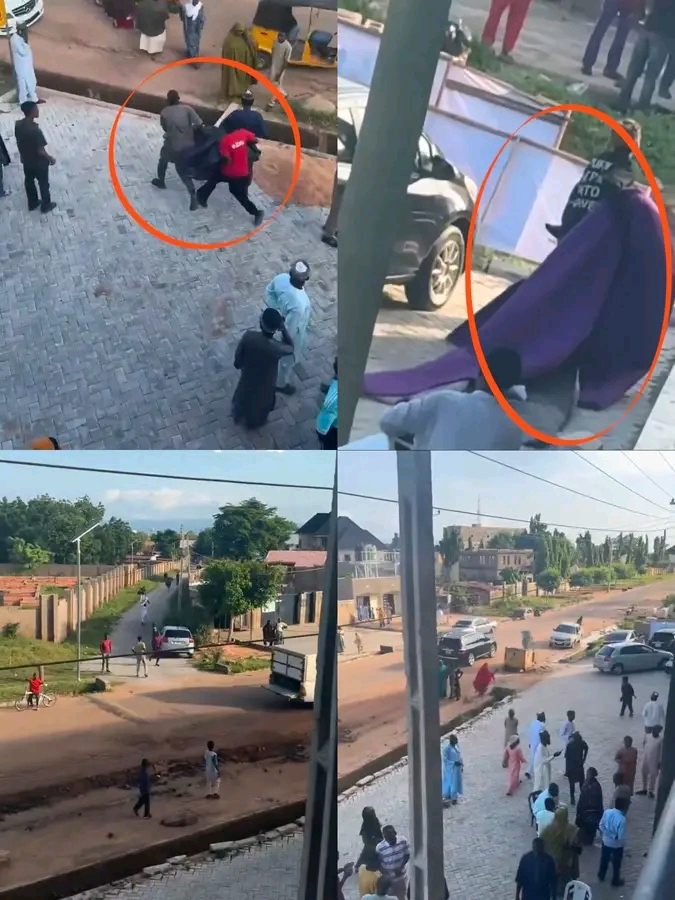
Investors in a Nigerian investment scheme called PXES stormed the company’s office in Yola, the capital of Adamawa State, after the platform froze withdrawals and appeared to have collapsed. Video from the scene, which has been circulating online, shows people carrying out computers, TVs, air conditioners and office furniture.
Reports say dozens of angry investors gathered at the office demanding their money back after company officials stopped showing up and withdrawals were frozen. PXES had promised high returns on short-term deposits and had reportedly drawn hundreds of investors across Adamawa State. So far, no government agency has confirmed what really happened to the company or the investors’ money.
Nigeria’s Long History of Money Schemes That Promise Too Much
PXES is only the latest in a long line of Nigerian Ponzi schemes — programs that pay early investors with money from new investors, rather than from real profit, until the money runs out and the scheme collapses. The most infamous is MMM, which collapsed around 2016-2017 and affected more than three million Nigerians.
More recently, a platform called CBEX collapsed and wiped out an estimated $847 million, or over N1.3 trillion, from investors in under a year, with angry crowds storming its offices in Ibadan and Lagos in scenes similar to what just happened in Yola. Nigeria has also seen schemes like Twinkas, Ultimate Cycler, Zar Fund and Get Help Worldwide come and go the same way. Altogether, Nigerians are estimated to have lost around N316 billion to Ponzi schemes over the years.
Why People Keep Falling for These Schemes, and the Damage They Leave Behind
Experts say the main driver is economic hardship. High inflation, a weak naira and shrinking incomes push people to look for fast ways to grow their money, making promises of quick, high returns hard to resist even when they sound too good to be true. Many of these platforms also spread through referrals from friends and family, which builds trust that overrides warning signs. Regulators also warn that many of these platforms are never registered with Nigeria’s Securities and Exchange Commission (SEC), the body responsible for approving legitimate investment firms, meaning anyone who invests in them has no legal protection.
For individual investors, the effects can be devastating. Past victims of similar collapses have described losing money meant to restock shops, pay school fees or buy equipment for their businesses, sending them back to square one financially. Beyond individuals, these collapses damage Nigeria as a whole. Each new scandal weakens public trust in legitimate investment platforms and financial institutions, discourages genuine savings and investment culture, and adds to the country’s reputation for financial scams — a reputation that can scare off real investors and business partnerships. Scenes of mobs looting company offices, as happened in Yola, also raise concerns about security and the rule of law when people feel that taking the law into their own hands is their only option for justice.
How Nigeria Can Stop the Next Scheme Before It Grows
Financial experts say part of the answer is stronger public education, so people know how to check whether an investment platform is registered with the SEC before putting in money. Nigeria has also toughened its laws: under the newly revised Investments and Securities Act (ISA) 2025, people convicted of running Ponzi schemes now face up to 10 years in prison and a N40 million fine. But laws only work if they are enforced quickly, before schemes disappear with people’s money — regulators and law enforcement need to act on early warning signs and public complaints rather than waiting until a scheme has already collapsed.
Analysts also argue that tackling the root economic pressures — inflation, unemployment and low incomes — matters just as much as regulation, since desperation is often what pushes people toward risky platforms in the first place.
The Lesson We Keep Refusing to Learn
We find it hard to be shocked by PXES anymore, and that itself worries us. Nigeria has watched this same story play out with MMM, then CBEX, and now PXES, each time with the same promises, the same collapse, and the same angry crowds hauling away office chairs because it’s all that’s left. We understand why people keep trying their luck: when rent is due and a business is struggling, a promise of doubling your money in weeks can feel less like greed and more like survival. But we believe the real failure here is not just individual judgment — it is how easily unregistered platforms are allowed to operate freely until it’s too late. Until verification becomes a habit and enforcement becomes swift, we expect to be writing this same story again before long.
Published by Ejoh Caleb