
By Ejoh Caleb | Visiotalks
Published: November 26, 2026
Key Takeaways
- The Central Bank of Nigeria (CBN) has authorised banks to sell up to $1 million in physical dollar cash to licensed Bureau De Change (BDC) operators, effective Wednesday, November 25, 2026.
- The old rule capped weekly purchases at $150,000, with only 25% ($37,500) collectable as cash.
- Reports say the CBN described the change as temporary and aimed at seasonal demand pressure. No public circular has been released.
- It is unclear whether BDCs can now pay their own customers fully in cash.
- This is information, not financial advice.
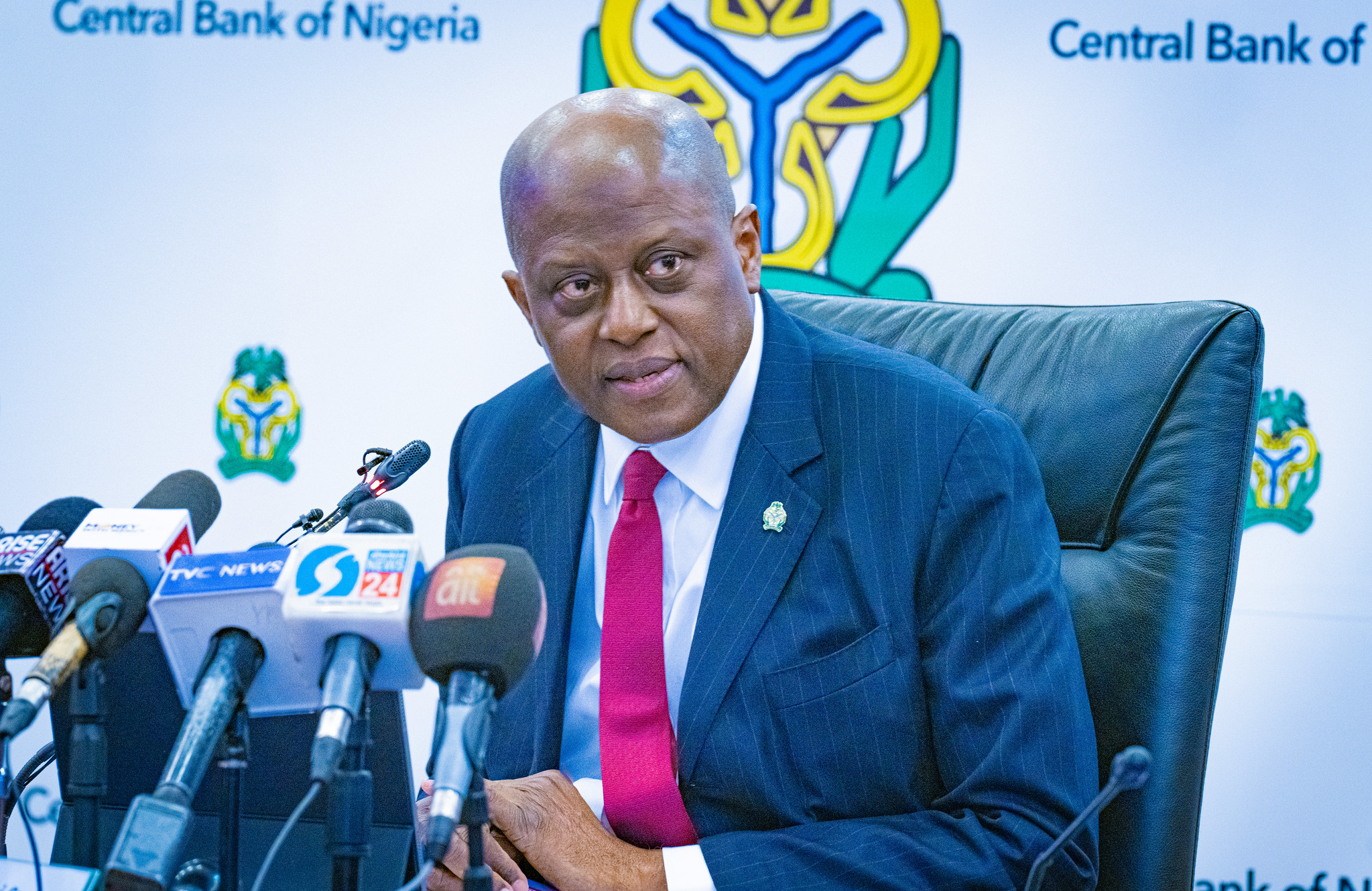
The Central Bank of Nigeria (CBN) has authorised banks to sell up to $1 million in physical dollar cash to Bureau De Change (BDC) operators, with effect from Wednesday, November 25, 2026. The old arrangement let banks sell a BDC no more than $150,000 a week, and only 25 percent of it, or $37,500, could be taken as cash. The new rule lets BDCs collect the whole allocation in cash.
What the Central Bank Changed, and What Its Email Leaves Unclear
According to Vanguard, the change was set out in an email dated November 24, 2026, sent to banks by CBN officials. The email said the measures were meant to address seasonal demand pressures and improve orderly access to US dollar cash for end users. It said the weekly purchase cap is temporarily increased from $150,000 to a maximum of $1 million per BDC. By our own calculation, the weekly cap is about 6.7 times higher, and the cash portion rises about 26.7 times.
Tribune reports that the CBN also pledged to support dealer banks with any extra cash they need, and that banks have started contacting BDC operators. It says banks act only as intermediaries between BDCs and the market. An operator told Vanguard that some banks had already called, and that the CBN promised to fund them.
Important details are still missing. Techpoint reports that no public circular has been released, and that it is not clear whether the $1 million limit applies per week, per bank or over another period. It also notes that the email does not settle whether BDCs can now pay customers entirely in cash or whether the 25% limit on each retail transaction still stands. The CBN has not published a detailed statement that we could find.
From a Tight Leash to a Wider Door: How the Rules Have Shifted Since 2021
BDCs have faced changing rules for years. According to Techpoint, the CBN stopped selling foreign exchange to BDCs in July 2021 and resumed in 2023, before overhauling how they are licensed and run. In a circular dated February 10, 2026, the CBN let licensed BDCs buy dollars from the official Nigerian Foreign Exchange Market through any authorised dealer bank, capped at $150,000 a week. Cash settlement was limited to 25% of each transaction, third-party deals were banned, and unused dollars had to be sold back within 24 hours. Techpoint says the rest moved through settlement accounts, and Leadership described it as debit or prepaid cards, a design meant to keep retail dollars traceable.
In May, the CBN applied the same 25% cash, 75% electronic split to Personal Travel Allowance and Business Travel Allowance payouts. In July, it directed banks and authorised dealers to record who receives retail dollars, what the money is for and where it ends up, to curb round-tripping and spot suspicious transactions. The new relaxation is therefore a change within a framework less than a year old.
Holiday Demand, Election Spending and Naira Pressure: Forces Behind the Move
The CBN says the move addresses seasonal demand. Reports say Governor Olayemi Cardoso attributed recent pressure on the naira to seasonal factors, including portfolio adjustments and pre-election spending ahead of the 2027 elections. The naira closed at ₦1,396.50 to the dollar on the official market on November 24, reportedly slightly weaker than ₦1,393 the day before. These are reported official-market figures, not street rates.
Physical dollars are also in demand for travel, school fees abroad and small business needs at the end of the year. THEWILL reported that the earlier cash limit had forced operators to rely on other channels to meet demand for dollar notes. We do not know how big that demand is, and the CBN has not given figures.
What Easier Access to Cash Dollars Could Mean for the Economy
Analysts quoted by Tribune say the old restriction limited BDC operators’ ability to meet retail demand for physical dollars. If supply improves, travellers and small businesses may find it easier to buy dollar notes through licensed operators. The policy is also described as meant to reduce renewed pressure on the naira. We cannot say whether it will work, and no one can promise a particular exchange rate.
The effects reach beyond travellers. The value of the naira affects the cost of imported goods, fuel and fertiliser, and so household prices. A measure that calms the market could help, while one that fails to may leave pressure in place. The temporary label also matters, because businesses plan around how long a rule will last.
Relief for Travellers and Students Against Concerns About Traceability
For ordinary Nigerians, the benefits are clear. Students abroad, patients seeking treatment overseas and small traders who need dollar cash may find it easier to buy through a licensed BDC. Small BDC operators, many of them family businesses, can also serve customers more fully.
The concerns are also real. The CBN’s earlier 25% cash rule was meant to keep retail dollars traceable. More cash can make it harder to track where money goes, and Techpoint noted that the email does not explain how the July record-keeping rules apply to larger cash sales. Larger cash handling can also create security and compliance burdens for small operators. A fair balance would give customers access while keeping transactions properly recorded.
Visiotalks Analysis: Five Things to Watch as the Policy Plays Out
- The exact limit. Is it $1 million per BDC per week, as Vanguard reports, or something else? A published circular would settle this.
- How long “temporary” lasts. A short measure and a long one affect planning differently.
- Retail cash payouts. Whether BDCs can pay customers fully in cash, or whether the 25% cash split still applies to each transaction.
- Record-keeping. Whether the July rules on recording who gets dollars and why apply to the larger cash sales.
- The market response. Whether the naira’s official rate steadies, and whether the gap between official and retail rates narrows. We found no data on that yet.
Frequently Asked Questions
Can an individual now buy $1 million in cash? No. The limit applies to licensed BDC operators buying from banks. Customers remain subject to the rules for personal and business travel allowances.
Is the change permanent? Reports say the CBN described it as a temporary increase.
Is the limit weekly? Vanguard and Tribune say weekly and per BDC. Techpoint says no public circular exists and the period is not clear.
Will the naira get stronger? No one can say. The policy aims to ease pressure, but results are not guaranteed.
Where should I buy dollars? Through licensed operators and banks. Ask for a receipt. This article is not financial advice.
Practical Steps for Regulators, Banks, Operators and Customers
The CBN can publish the circular with clear terms, including the period and whether the 25% retail rule remains. Banks can explain to BDC clients how they will deliver the cash and what records they will need. BDC operators can keep full records of transactions, in line with the rules.
Customers can deal only with licensed operators, keep receipts and check any limits on travel or business allowances before they buy. Analysts and the media can track whether the policy changes market conditions. Policymakers can consider keeping measures predictable, so that businesses can plan.
Easing Supply Is a Start; Clear Rules and Steady Policy Build Confidence
We note the CBN’s move and the reasons it gave. Easier access to physical dollars may help people with real needs, and the temporary label suggests the bank is watching the market.
We also note the open questions. A policy works best when everyone knows its terms, including how long it lasts and how it fits with the rules on traceability. We hope the CBN will publish clear details soon. Steady, transparent policy gives families, travellers and businesses the confidence they need to plan. That is what our economy needs most.