
By Ejoh Caleb | Visiotalks
Published: November 27, 2026
Key Takeaways
- At the Prudential Fashion Academy (PFA) graduation in Lagos on November 24, 2026, designer Veekee James urged that a scholarship worth nearly ₦4 million be given to another woman, after one recipient seemed not grateful enough.
- The scholarship belonged to the academy, run by Prudent Gabriel. Veekee was a guest.
- The first recipient says she was distracted and did not realise her number had been called.
- Reports say Veekee, her husband and friends planned to give her money instead. Outlets differ on what she finally received.
Fashion designer Veekee James urged that a scholarship worth nearly ₦4 million be taken from one recipient and given to another woman, during the Prudential Fashion Academy (PFA) Class of 2026 graduation in Lagos on Tuesday, November 24, 2026. She said the first recipient did not show enough gratitude. The event, themed “Seed to Bloom”, graduated more than 600 students.
What Was Said and Done at the Ceremony, and Where Reports Differ
Reports say the academy, run by designer Prudent Gabriel, announced scholarships at the ceremony. Some outlets say four people received scholarships. Kemi Filani reports that eight scholarships worth ₦30 million were announced. We could not settle the difference.
According to the reports, the last recipient did not show the level of appreciation Veekee expected. Veekee took the microphone and said she would not sit and watch someone who is dying to have the opportunity miss out. THEWILL reports that she told Prudent Gabriel that she had two people to give it to and would have to choose, and she told her to pick the woman who clearly wants it. She said the scholarship was worth almost ₦4 million and that the woman deserved it. Another woman had been seen crying after missing out, and some attendees backed the idea. The reports do not include a statement from the academy on its selection rules or on who made the final decision.
The First Recipient’s Account and the Promise of Other Support
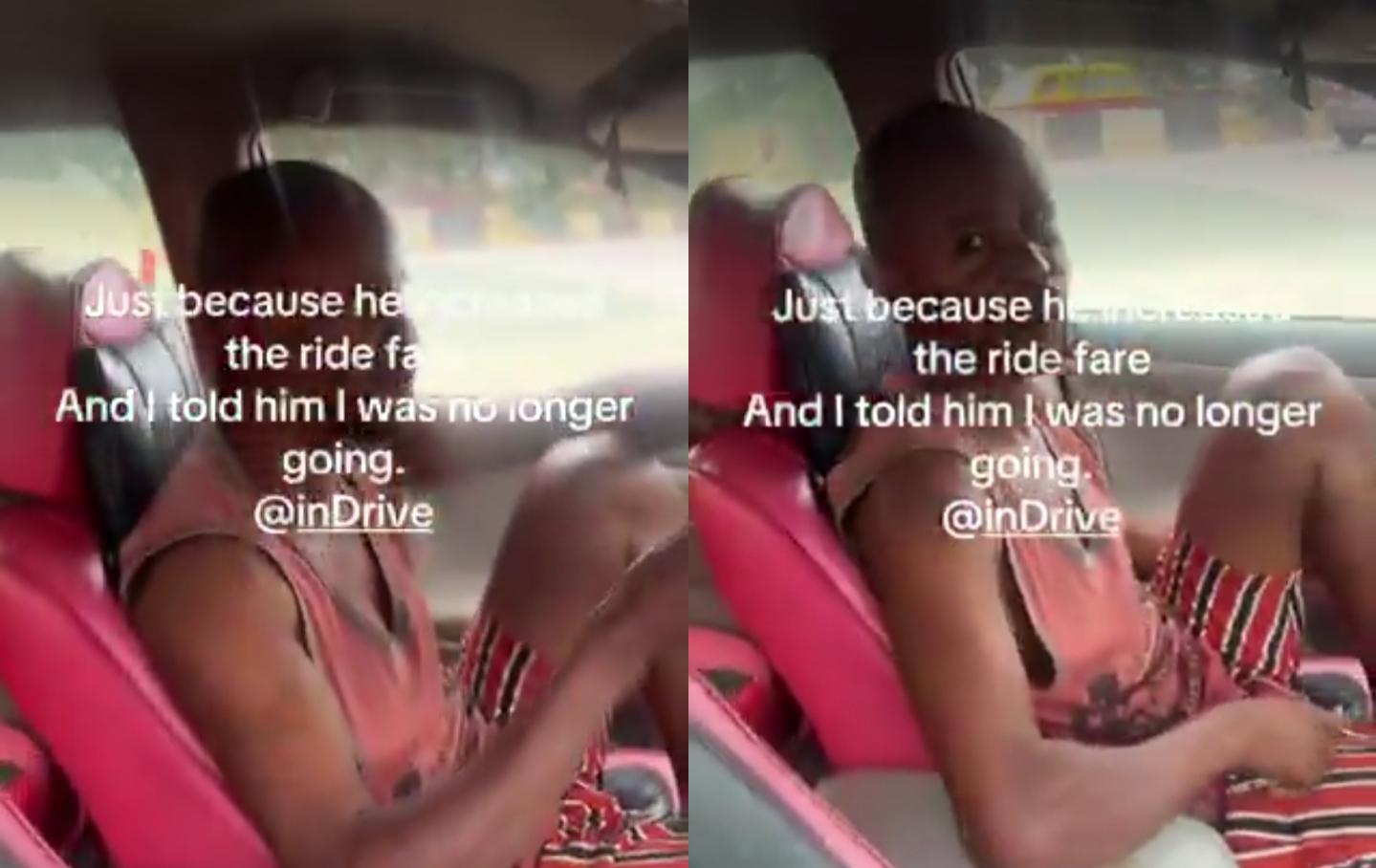
The first recipient has since given her side. She said she was in conversation with another contestant and did not realise her number had been called. She said her legs went numb when she finally heard the announcement, and a woman beside her tapped her and told her to stand. That is her account, and it has not been disputed in the reports we found.
In another video, Veekee said she, her husband and some friends would contribute money to give the first recipient after the scholarship was revoked. DirtyNaija reports that the first recipient later held up a certificate and thanked PFA, Veekee and the audience for supporting her. Kemi Filani says she knelt to thank Veekee for ultimately awarding her the scholarship. Outlets differ on what she finally received, whether the scholarship, other money, or both. We do not know.
Earlier Moments When Public Generosity Met Public Judgement
Public giving has caused similar questions before. In August 2026, a graduate trainee at Tony Elumelu’s organisation was publicly criticised for how he greeted the businessman. Reports say he later received a ₦500,000 gift and a VIP trip offer, and the two reportedly reconciled. The story prompted a discussion about whether young professionals should be corrected privately rather than in public.
In another earlier case, singer Zlatan Ibile reportedly denied a woman a ₦500,000 giveaway after finding a 2020 tweet in which she had insulted him. A stranger later gave her the money. These cases are different from the PFA event. They show a pattern. Public giving raises public questions about fairness, dignity and what donors can expect in return.
Gratitude, Nerves and Culture: Forces That Shape How People Respond to Good News
People react to good news in different ways. Some cry, kneel or shout. Others freeze, smile quietly or look stunned. Shyness, shock, distraction and personality can all change how a person looks in front of a crowd. Cultural habits also play a part. In many Nigerian settings, visible thanks is expected, and a quiet response can be read as ingratitude.
A stage adds pressure. The first recipient says she was caught off guard, and shock can make people slow to react. A person who is silent for a few seconds is not necessarily unthankful. That is why public judgement in a few seconds can miss the full picture.
The Wider Questions About Fair Selection, Dignity and Giving in Public
The case raises questions that go beyond one ceremony. Nigerian students and trainees depend on scholarships to learn skills, and a clear process helps them trust the system. Fashion is also a growing creative industry, and PFA is one of several academies training young designers, with campuses in Lagos and Abuja.
Dignity matters as well. A person who is publicly told she does not deserve help may carry that memory for a long time. At the same time, donors and mentors have the right to decide how they give. The challenge is to respect both, so that generosity lifts people up.
Rewarding Visible Gratitude Against Rewarding Merit and Need: Weighing Both Views
There is a case for Veekee’s view. Mentors often say they want to support people who value the chance. Gratitude can signal commitment, and a donor who feels disrespected may feel entitled to step back. Veekee also moved to help another woman who clearly wanted the opportunity.
There is also a case against. Scholarships are usually meant to reward merit or need, which can be set out in advance. Gratitude shown in the moment can be shaped by temperament, nerves or a short distraction, as the first recipient says happened to her. Young women from modest backgrounds may be especially vulnerable to public judgement, and many people are not comfortable with dramatic displays. A selection made on emotion can be unfair to a quieter person.
Both views have value. A clear, published selection process, with room for sincere thanks, can respect each of them.
Visiotalks Analysis: Five Principles for Fair and Respectful Scholarships
- Set criteria before the event. Merit, need and eligibility should be clear to everyone.
- Decide in private where possible. A change of award is better handled quietly than on stage.
- Hear the recipient first. A moment of silence is not proof of ingratitude.
- Let the awarding body decide. Guests can suggest, but the organisation that owns the scholarship should make and explain the final decision.
- Protect dignity. Whatever the decision, both women should leave the room treated with respect.
By these principles, the public part of this episode is the most difficult. The reports suggest both women were affected by it.
Frequently Asked Questions
Whose scholarship was it? Reports say it was awarded at the academy’s ceremony, run by Prudent Gabriel. Veekee James attended as a guest.
Who decided to change it? Reports say Veekee urged Prudent Gabriel to choose the other woman. The academy has not been quoted on who made the final decision.
What does the first recipient say? She says she was distracted and did not realise her number had been called.
What did she receive in the end? Outlets differ. Veekee said she and friends would contribute money for her.
How many scholarships were awarded? Reports differ. Some say four. Kemi Filani says eight, worth ₦30 million, were announced.
Practical Steps for Donors, Schools and Recipients
Schools can publish scholarship criteria and the process for awards before an event. They can arrange for recipients to be told in advance, so that nobody is caught off guard on stage. Donors can offer extra support privately when they wish to help someone else. Recipients can say a simple thank-you in whatever way suits them.
Guests at events can speak to organisers privately if they have concerns about a decision. Media can avoid turning a young person’s worst moment into entertainment. And audiences can remember that a few seconds of video rarely tell the full story.
Generosity Is Best When It Protects the Dignity of Every Hand It Touches
We admire the desire to help a young woman who wants to learn and grow. We also understand the discomfort of seeing a gift taken back in front of a crowd.
We do not know what each woman has finally received, and we do not know every detail of what happened. What we do know is that two young women were affected, and both deserve respect. We believe the best scholarships are clear in their rules, kind in their delivery and fair to every applicant. Our creative industry grows when mentors lift young people up, and that includes the quiet ones.