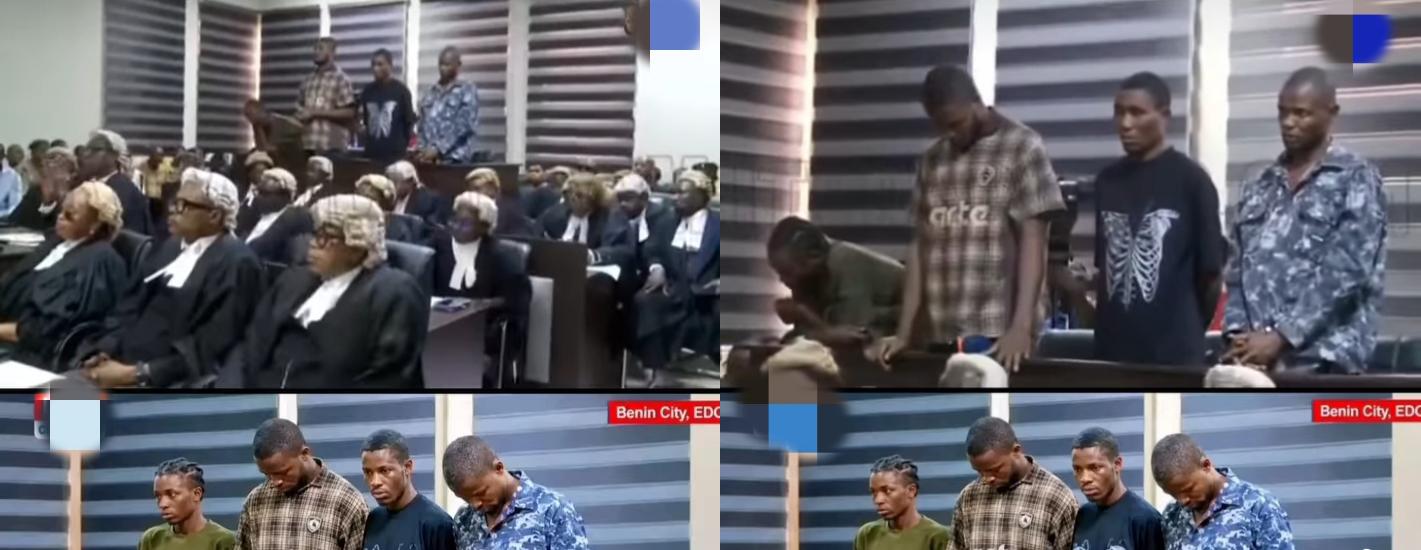

A boutique owner has reportedly been found dead at his shop in New Road, Old Township, an area in Port Harcourt, Rivers State. According to reports, he was allegedly robbed and strangled, and the attackers are said to have carted away clothes from his boutique before fleeing.
If confirmed, this would be the latest in a string of violent robberies targeting small business owners in Port Harcourt, a pattern that has left many traders in the city on edge about the safety of running a shop, even in busy, well-known commercial areas.
A city that has seen this kind of violence before
Port Harcourt has recorded several similar attacks on traders and business owners in recent years. In one case, police in Rivers State arrested nine suspects linked to armed robbery incidents around the Dr Obi-Wali International Cultural Centre and a filling station in the city, recovering rifles and stolen goods including a generator and inverter batteries from the gang.
In another disturbing case, a popular Port Harcourt fashion designer, Georgewill, was kidnapped and killed by pirates along the Bakana River despite a ransom payment of ₦2 million. Police later killed two of the suspects in a gun battle and recovered the designer’s phone and other exhibits from the kidnappers’ hideout.
The Diobu and Ikoku axis of Port Harcourt, both busy commercial districts, have also seen a series of gang-related robberies and killings over the years, with residents and vigilante groups repeatedly raising concerns about the pace of police response to reported threats.
Why small business owners keep becoming targets
Shop owners, especially those who deal in valuable, easily resold goods like clothes, electronics, and phones, are attractive targets for robbers because their stock can be quickly converted to cash through informal resale markets. Shops that operate late, have limited security, or are in areas with weak street lighting and patrols are especially vulnerable.
Rising unemployment and economic hardship in many parts of Nigeria, including Rivers State, have also been linked to a rise in opportunistic and organised robbery, as more people turn to crime as a means of survival or quick money.
How this affects victims’ families and the wider business community
For the families of victims like this boutique owner, the loss is not just emotional but often financial too, since many small businesses in Nigeria are the sole source of income for an entire household. A single violent robbery can wipe out a family’s only means of livelihood in addition to the tragedy of losing a loved one.
Beyond individual families, incidents like this damage trust in the safety of doing business in commercial areas across Nigeria. When shop owners do not feel safe, some close early, relocate to what they consider safer areas, or scale back their businesses altogether, which can quietly shrink local economies over time. At the national level, a steady stream of stories about traders being robbed and killed adds to Nigeria’s broader reputation for insecurity, which can discourage both local and foreign investment in small and medium-sized businesses, a sector many economists see as central to Nigeria’s economic growth.
Possible solutions
The Rivers State Police Command should increase visible patrols and rapid-response capacity in known commercial districts like Old Township, especially around closing hours when shop owners are most vulnerable.
Traders’ associations should work with local authorities to fund shared security measures, such as CCTV cameras and community security guards, for busy shopping streets.
Shop owners should be encouraged and supported to install basic security measures, including alarms, secure locks, and, where possible, cashless payment systems that reduce the amount of physical cash or resellable stock kept on the premises overnight.
Government at the state and local level should invest in street lighting and regular police patrols in commercial areas that lack them.
Community policing and vigilante groups, where they already exist, should be better coordinated with formal police units so that intelligence about threats is acted on quickly, rather than the two operating in isolation from each other.
A balanced view: security fixes alone won’t solve this
It is tempting to frame this only as a policing failure, and better security certainly matters. But cases like the Diobu gang clashes show that even when communities alert the police to threats in advance, response can still be slow, which understandably pushes some residents toward vigilante justice as a substitute for formal law enforcement. While that frustration is understandable, mob justice carries its own serious risks, including the deaths of wrongly accused people. The long-term fix has to combine faster, more trustworthy formal policing with the economic changes needed to reduce the pressure that drives some people into crime in the first place.
Our thoughts
A man was reportedly killed for the contents of his boutique, over clothes that can be resold for a fraction of what his life was worth. That is the brutal, senseless math behind so many of these robberies, and it is exactly why they are so hard to accept as “just” another crime statistic. I think Nigerians are right to be angry every time a story like this surfaces, but anger alone will not keep the next boutique owner, or barber, or phone seller safe behind their shop counter. Until commercial areas across cities like Port Harcourt have real, consistent security presence, and until more Nigerians have viable alternatives to a life of crime, small business owners will keep paying the highest possible price simply for trying to earn an honest living.
Published by Ejoh Caleb