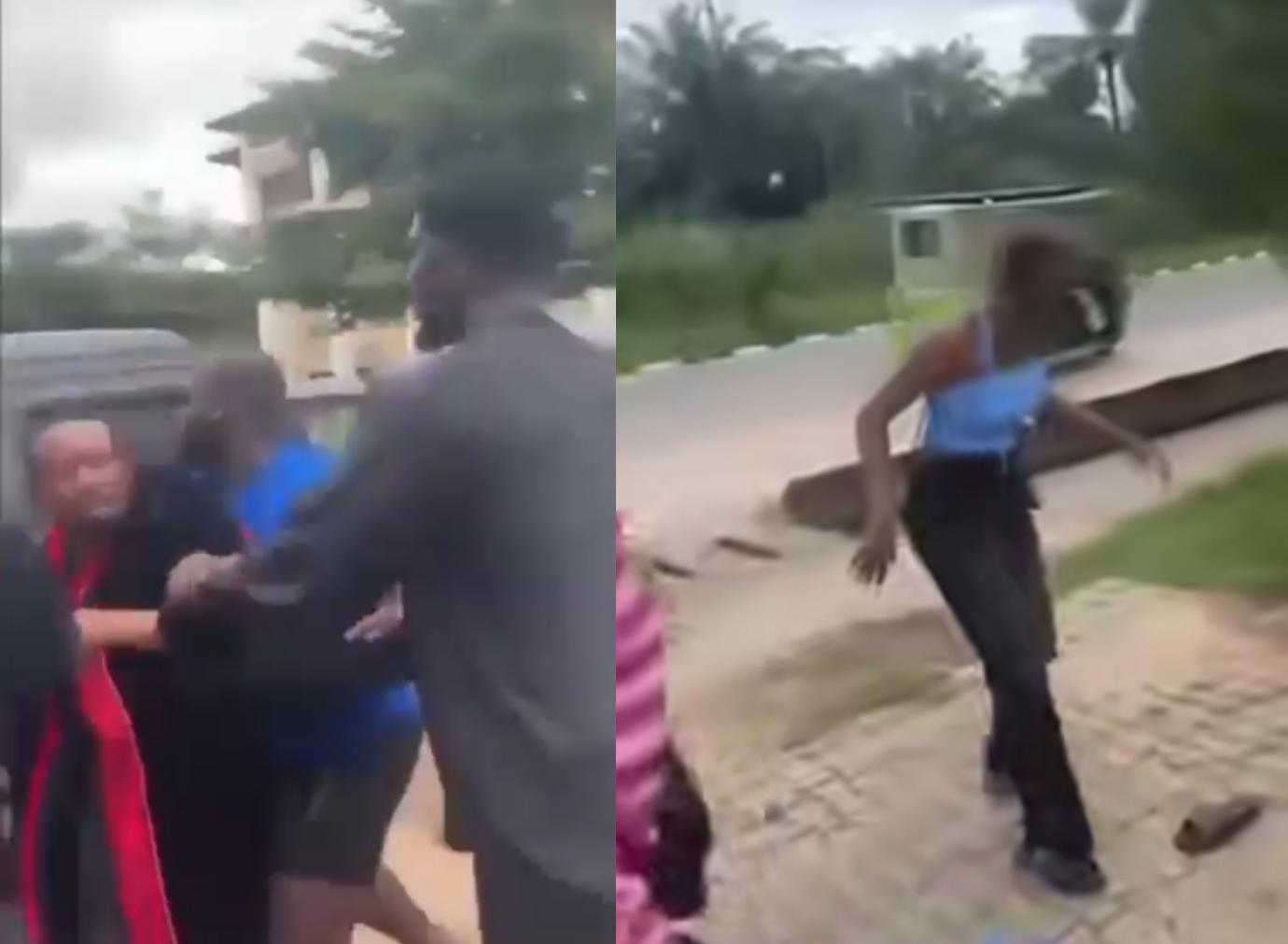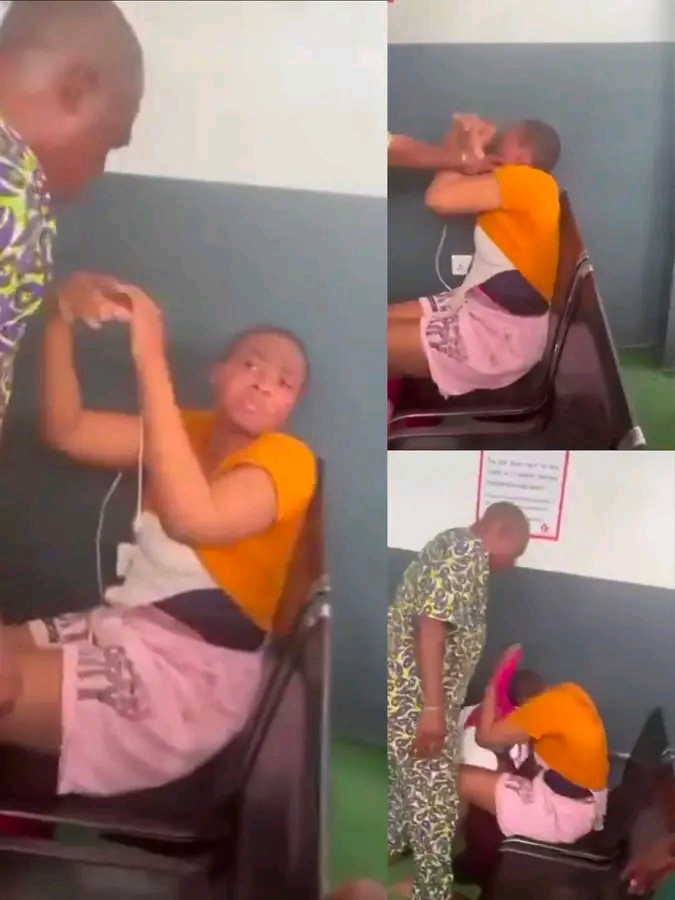

A video circulating online shows members of a family in Lagos State beating a swimming instructor after accusing him of harassing a child in his care.
The video has not been independently confirmed by police or named news outlets as of this writing, and details such as the identities of those involved, the exact nature of the alleged harassment, and whether the matter has been formally reported to law enforcement remain unclear.
A Painful, Recurring Pattern in Nigeria
Cases of alleged abuse by adults entrusted with children’s safety keep surfacing across Nigeria, and they keep testing how the justice system responds. In July 2026, a Lagos private lesson teacher was remanded by a magistrates’ court over an allegation that he defiled his 15-year-old student, a case that only reached the courts after a delayed hospital visit and separate claims that police officers had sought an unofficial settlement.
One of the most widely remembered cases remains that of 13-year-old Ochanya Ogbanje in Benue State, whose death followed allegations of sexual abuse and became a symbol of how Nigeria’s justice system can fail child victims, fuelling public anger that experts say has since made communities more likely to take matters into their own hands.
Alongside these cases, Nigeria has also seen a troubling rise in “jungle justice,” where accused persons are beaten, tortured or killed by mobs before any investigation takes place. Legal experts note that this form of mob action is not limited to strangers; families and community members increasingly resort to it as well when they believe formal justice will not come fast enough.
Why Families Turn to Their Fists, and What It Risks
Anger of the kind shown in this video is not hard to understand. A family that believes a child has been harmed by someone they trusted is likely to feel intense rage in that moment, and for many Nigerian parents, waiting on a police system widely seen as slow, underfunded or open to compromise, feels like waiting too long.
Legal advocates warn, however, that mob action carries its own serious dangers. Women, children and other vulnerable people are actually more likely to be harmed by wrongful accusations and mob violence, since accusations spread through rumour and social media can escalate before facts are confirmed.
Beating a suspect also risks destroying the very evidence and testimony needed to secure a lawful conviction. Legal experts stress that the Nigerian Constitution guarantees every accused person the right to be heard and to a fair trial, rights that mob action erases entirely, regardless of how serious or credible the underlying allegation may be.
For the child at the centre of this incident, if the allegations are true, the greatest need going forward is proper medical, psychological and legal support, not a viral video of vigilante violence that shifts public attention toward the instructor’s beating rather than the child’s wellbeing and eventual justice.
At the national level, incidents like this reflect a deeper crisis of public trust. When Nigerians feel they cannot rely on police to act quickly and fairly on child protection cases, some will keep resorting to mob justice, undermining the very rule of law that is meant to protect children and the wrongly accused alike.
What Nigeria Needs Instead of Mob Justice
Faster, more transparent police response to child protection allegations would reduce the sense among families that formal channels are too slow or unreliable to trust.
Clear public reporting pathways and dedicated child protection units, especially in states like Lagos, could give families a credible, faster alternative to handling allegations themselves.
Public education about the risks of jungle justice, paired with visible prosecution of both proven child abuse cases and mob violence cases, could help Nigerians see the justice system as capable of delivering real accountability without vigilante action.
Two Wrongs Nigeria Cannot Afford
We think it is entirely human for a family to feel rage at the thought of a child being harmed. But we do not believe that rage, however justified it may feel, should be allowed to replace the justice system, both for the sake of due process and for the child’s own healing, which is better served by a proper investigation than a viral video.
We also believe this incident cannot be separated from a larger truth: Nigerians increasingly reach for mob justice because they do not trust the alternative to work. Fixing that trust gap, through faster police response and visible accountability for real child abuse cases, would do more to protect Nigerian children than any single act of street justice ever could.
Until then, videos like this one will keep capturing a familiar and troubling choice: justice delivered by fists, because the system meant to deliver it has not yet earned enough trust to be used instead.
Published by Ejoh Caleb