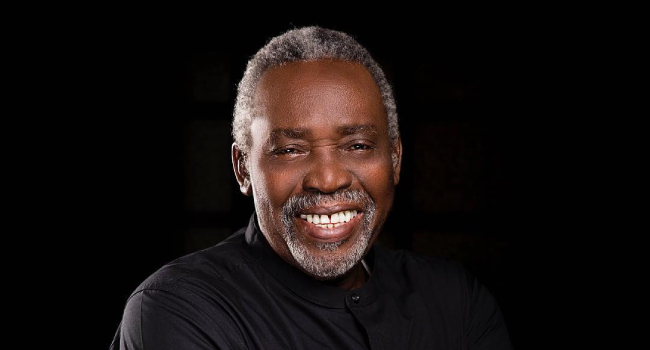
Nigeria’s film industry is mourning one of the people who helped shape it into what it is today. Veteran actor Oludotun Baiyewu Jacobs, known to millions simply as Olu Jacobs, has died at the age of 84.
His death was announced on Wednesday, September 16, 2026, by his son, Olusoji Jacobs, in a statement shared on Instagram. “It is with gratitude to God for a life well lived and fought that we announce the passing of our dear husband, father, grandfather, and uncle. The Lion of Lufodo,” the statement read. The family asked bloggers and social media influencers to respect their privacy during this time.
His close friend, Demola Tejumola, also confirmed to staff of the Nigerian Television Authority (NTA) that the actor died that morning after a long illness.
A Career That Bridged Two Continents Before Nollywood Even Had A Name
Born on July 11, 1942, Jacobs trained at the Royal Academy of Dramatic Art (RADA) in London — one of the most respected drama schools in the world. Before returning home, he built a career in British television, appearing in well-known shows like “The Goodies,” “The Professionals,” and “The Tomorrow People.”
He returned to Nigeria in the 1980s, right around the time the country’s film industry was taking shape, and became one of its defining figures. Over more than 300 films, he built a reputation for playing commanding monarchs and beloved father figures — roles that made him one of what Vanguard newspaper once called the “godfathers of Nollywood,” alongside fellow veteran Pete Edochie. His notable Nigerian films include Adesuwa, Potomanto, The Antique, Dry, Oloibiri and The Royal Hibiscus Hotel.
The Awards That Marked His Legacy
Jacobs’ work was recognised widely across his lifetime. He won the Africa Movie Academy Award (AMAA) for Best Actor in a Leading Role in 2007 for “Dancing Heart.” He also received the Industry Merit Award at the 2013 Africa Magic Viewers’ Choice Awards, a Lifetime Achievement Award from AMAA in 2016, and another Lifetime Achievement Award from the Africa International Film Festival (AFRIFF) in 2021. In 2011, the Nigerian government honoured him with the national title of Member of the Order of the Federal Republic (MFR).
A Partnership That Outlasted The Industry’s Toughest Years
Jacobs was married to fellow veteran actress Joke Silva for nearly four decades. Together, the couple co-founded the Lufodo Group, a media and performing arts company, along with the Lufodo Academy of Performing Arts, which trained generations of Nigerian actors and filmmakers.
In 2021, Silva revealed that Jacobs had been diagnosed with Dementia with Lewy Bodies (DLB) — a plain-language way to describe a progressive brain condition that affects memory, movement and thinking over time. That diagnosis put an end to years of false rumours about his health that the family had repeatedly had to deny.
A Familiar, Painful Pattern For Nollywood’s Founding Generation
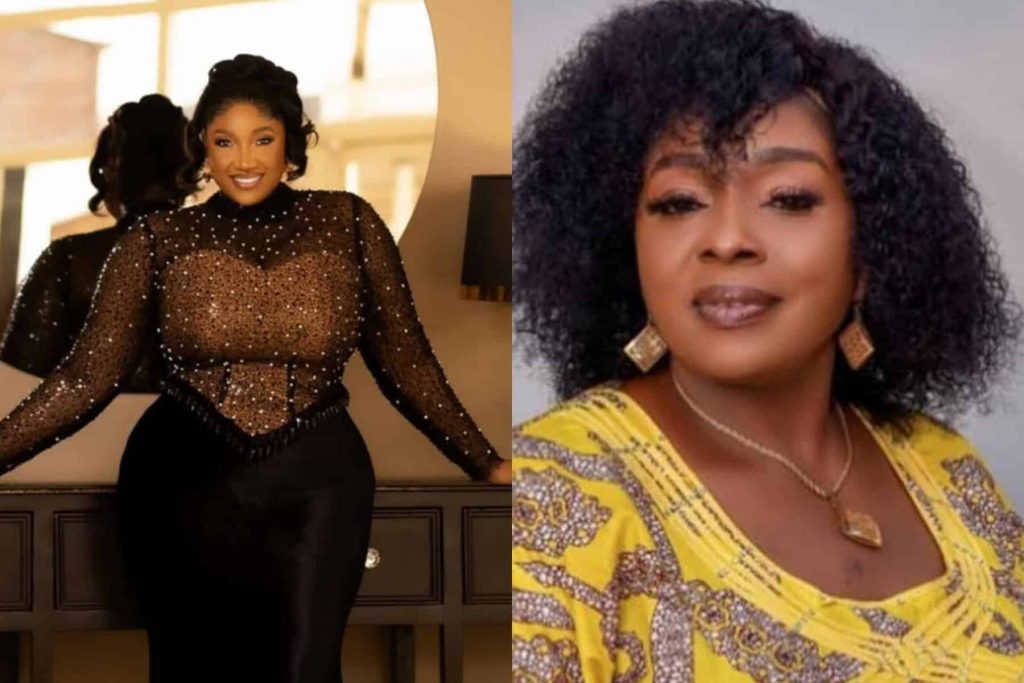
Jacobs’ death continues a pattern Nollywood has grown sadly used to — losing the actors who built the industry from its earliest days. In 2021 alone, Nigeria lost several veteran actors within months of each other, including Sadiq Daba, an AMAA-winning actor and broadcaster who died in March after battling leukaemia and prostate cancer, and Rachel Oniga, a major Nollywood figure who died in July from a heart-related ailment. That same year also saw the deaths of veteran actor Dan Nkoloagu at 83 and TV star Victor Olaotan at 69.
More recently, in October 2024, Nollywood lost Abdulsalam Sanyaolu, popularly known as “Agbako,” who died at the remarkable age of 101 after decades in the Yoruba film industry. Each of these losses has drawn the same outpouring of tribute now being seen for Jacobs — a reminder of how young Nollywood still is as an industry, and how few of its founding generation remain.
Why This Loss Matters Beyond Entertainment
Jacobs’ death is not just an entertainment story. Nollywood is one of Nigeria’s biggest cultural exports and a significant contributor to the economy, employing hundreds of thousands of people and shaping how Nigeria is seen abroad. Figures like Jacobs, who moved between British television and Nigerian cinema, helped give the industry international credibility at a time when it badly needed it. His passing marks the loss of a living link between Nollywood’s earliest days and its current global recognition — a link that cannot be replaced, only remembered.
What We Take From The Life Of “The Lion Of Lufodo”
We think Olu Jacobs’ story deserves to be remembered as more than a list of awards and film titles. He belonged to a generation of Nigerian actors who had to build an industry with almost no infrastructure, little funding, and no guarantee that anyone abroad would take Nigerian cinema seriously. That they succeeded — and that a man trained on London’s biggest stages chose to come home and pour his talent into Nigerian film — says something about the pull of Nollywood even in its infancy.
We extend our condolences to his wife, Joke Silva, his children, and the wider Nollywood community mourning him today. His decades of work, and the academy he built with his wife to train the next generation, mean his influence on Nigerian film did not end with his passing — it simply continues through the many actors he helped shape.
Published by Ejoh Caleb