By Ejoh Caleb | Visiotalks
Published: November 23, 2026
Key Takeaways
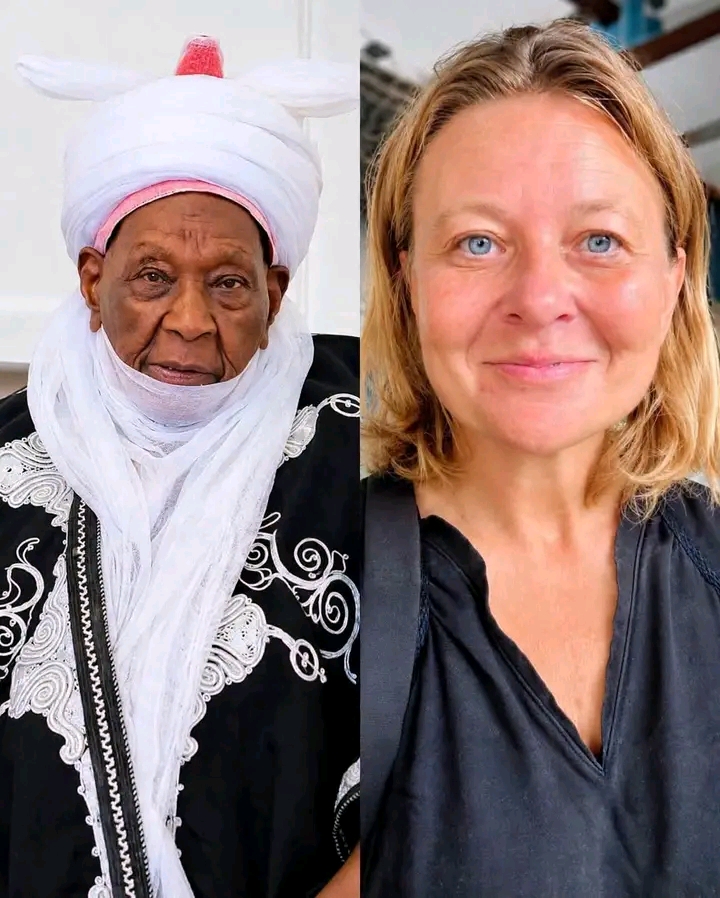
- A Polish tourist, Mirka Cze, alleges the Emir of Daura, Faruk Umar Faruk, touched her inappropriately during a palace visit on November 14, 2026.
- Amnesty International Nigeria wants the police and the Katsina State Government to investigate independently and transparently.
- An unnamed palace source reportedly denies the claim. The Emir has not responded personally, and no finding of wrongdoing has been made.
- It is unclear whether police have opened a case.
- Amnesty International Nigeria has called on the police and the Katsina State Government to investigate an allegation of sexual assault against the Emir of Daura, Faruk Umar Faruk, who is in his 90s. The allegation was made by a Polish tourist, Mirka Cze, who says it happened at the palace on Saturday, November 14, 2026. The allegation has not been proven. The Emir has not been found guilty of anything.
A Serious Allegation Meets a Call for Independent Scrutiny
Ms Cze says she was nearing the end of a 30-day trip across Nigeria. She says she sat with the Emir in a room at the palace, where he held her hand, hugged her and kissed her cheek, and then touched her breast without her consent. She says she told him “no” several times, and that he laughed. She says she recorded the encounter with Meta smart glasses and waited until she had left Nigeria before making it public. She also said she had not experienced sexual harassment on Nigeria’s streets.
The Tourist’s Account, the Palace’s Reply and What the Footage Shows
Premium Times reported that an unnamed palace source denied the allegation and called it fabricated. The source acknowledged that the tourist visited but disputed her description of what happened. An attributable response from the Emir or the Daura Emirate Council has not been obtained. As of November 22, the Katsina State Government had not issued a statement, and reports found no confirmed police complaint.
The same Premium Times report examined a 60-second copy of the video. It said the clip shows a close-range encounter but does not conclusively establish the alleged sexual contact. That is one outlet’s view of one copy. The original recording has not been examined by investigators. We do not link the clip, because it concerns a private encounter and may be distressing.
A separate clip, reported by the News Chronicle, shows the tourist thanking the Emir and saying she may return. A polite exchange does not on its own show whether consent was given. Investigators would look at the whole record.
Different Words, Different Legal Meanings: Reading the Statements Carefully
Amnesty International Nigeria described the allegations as disturbing and said no one is above the law. It said the Emir should be held to account for the alleged attempted rape in a fair trial without recourse to the death penalty. The tourist’s own account describes unwanted touching. The News Chronicle noted that her words and Amnesty’s phrase differ.
Legal labels matter because different offences carry different penalties. Investigators and prosecutors, not rights groups or the media, decide which offence fits, if any. Until then, readers should use the tourist’s description and the status of the case.
Earlier Cases Where Power, Status and Sexual Allegations Met the Law
Nigerian courts have handled cases against powerful figures. A legal writer recalled an Osun State case in which a traditional ruler, Oba Adebukola Alli, was tried over an alleged rape of a young corps member. The court discharged and acquitted him. That case shows that a ruler can be charged and tried like anyone else. It also shows that courts require proof.
In 2019, Busola Dakolo lodged a formal police complaint against Pastor Biodun Fatoyinbo of COZA over an alleged assault years earlier. Legal commentators debated whether such a charge could succeed after so long. That discussion highlights how delay and lack of physical evidence can affect cases. These examples differ from the Daura case, and we draw no conclusion from them.
Local context also matters. Less than five months ago, Governor Dikko Radda pledged stronger enforcement of laws against sexual and gender-based violence in Katsina State. He named traditional and religious leaders as partners in preventing abuse.
Rank, Silence and Delay: Barriers to Complaints Against Powerful Figures
Complaints against powerful people face obstacles. A complainant may fear retaliation, disbelief or public attack. A foreign visitor may leave before she can file a report, as the tourist says she did, and then must pursue a case from abroad. Institutions may feel pressure to protect their image.
Evidence can also be hard to gather. Memories fade, and recordings can be edited or taken out of context. That is why it matters that investigators obtain the original recording and interview both parties promptly. Delay helps neither the complainant nor the accused.
The Stakes for Survivors, Tourism, Tradition and Equal Justice
The case touches the whole country. It tests whether Nigerian law treats everyone the same, including traditional rulers. Under the Constitution, immunity from criminal proceedings covers the President, Vice-President, governors and deputy governors. It does not cover emirs or other traditional rulers.
It also affects how survivors view reporting. If complaints are ignored, others may stay silent. It affects tourism and Nigeria’s image too, though the tourist herself said she enjoyed her 30-day trip until this encounter. Traditional institutions carry deep respect in many communities, so a fair and open process also protects their dignity.
Protecting a Complainant and Protecting the Accused: Weighing Both Rights
Both parties have rights. A complainant has the right to be heard, to be treated with respect and to be protected from pressure. Women and foreign visitors who report powerful men often face doubt and attacks, and a fair system should guard against that.
The accused also has rights. He is presumed innocent and is entitled to respond and to a fair hearing. The Emir is in his 90s, which does not exempt him from the law, but it may affect how an investigation is carried out. Amnesty itself called for a fair trial without the death penalty. Treating both sides fairly is the best way to reach the truth.
Visiotalks Analysis: What a Credible Investigation Would Need to Examine
A credible investigation would normally cover five things.
- The original recording. Investigators should obtain the full, unedited file and its metadata, not only the shared clips.
- The complainant’s statement. Police can take it with respect, including by remote means if she is abroad.
- The accused’s response. He should be given a real chance to answer.
- Witnesses. Palace staff or others who were nearby should be interviewed, and any palace source making denials should be asked to speak on the record.
- Independence. The investigators should have no ties to the palace or the state government that could raise doubts.
The Katsina Government and police have not said whether these steps have begun.
To summarise where each point stands: the visit to the palace on November 14 is acknowledged by an unnamed palace source. The alleged unwanted touching is disputed, and the palace source denies it. The tourist says the encounter was recorded on smart glasses, while one outlet says the clip is inconclusive on the alleged contact. A police investigation is not confirmed. We found no official response from the Emir or the Katsina Government.
Frequently Asked Questions
Has the Emir been charged? No. We found no report of a charge, and no confirmed police case.
Has the Emir responded? Not personally. An unnamed palace source denied the claim.
What does the video show? One outlet that examined a 60-second copy said it shows a close-range encounter but does not conclusively establish the alleged sexual contact. The original recording has not been examined by authorities.
Do traditional rulers have immunity from prosecution? Under the Constitution, immunity covers the President, Vice-President, governors and deputy governors, not traditional rulers.
What are Amnesty International’s demands? An independent, transparent investigation, and a fair trial if there is enough evidence.
Practical Steps for Authorities, Institutions and the Public
The police can confirm publicly whether they have opened a case, and the state government can say how it will ensure independence. The Daura Emirate Council can give an attributable response. Investigators can reach out to the tourist and secure the original recording.
Traditional institutions can set clear rules on visitors, including accompanied visits and staff conduct. The public can wait for facts, avoid sharing the clip and avoid abuse of either party. Media should report with care and keep allegations separate from findings.
Equal Justice Is Tested Hardest When the Accused Is Powerful
We take the allegation seriously, and we also remember that it is unproven. The tourist deserves to be heard, and the Emir deserves a fair chance to respond.
We believe the right path is a prompt, independent and open investigation. If the evidence supports a charge, the law should apply as it would to anyone. If it does not, that should be said clearly too. Our justice system earns trust when it treats the powerful and the powerless the same way. We hope the authorities will act in that spirit.