By Ejoh Caleb | Visiotalks
Published: November 23, 2026
Key Takeaways
- Oyo State Governor Seyi Makinde says that if he wins the 2027 presidential election, he will serve one term and not run for any office again. If he loses, he says he will also not contest again.
- He is in his final constitutional term as governor and is reported as the APM presidential candidate.
- Peter Obi has also pledged a single term. Such pledges are not legally binding, and Nigerian history has examples of broken ones.
- Voters can judge the promise by looking at the record, the plan and the party behind it.
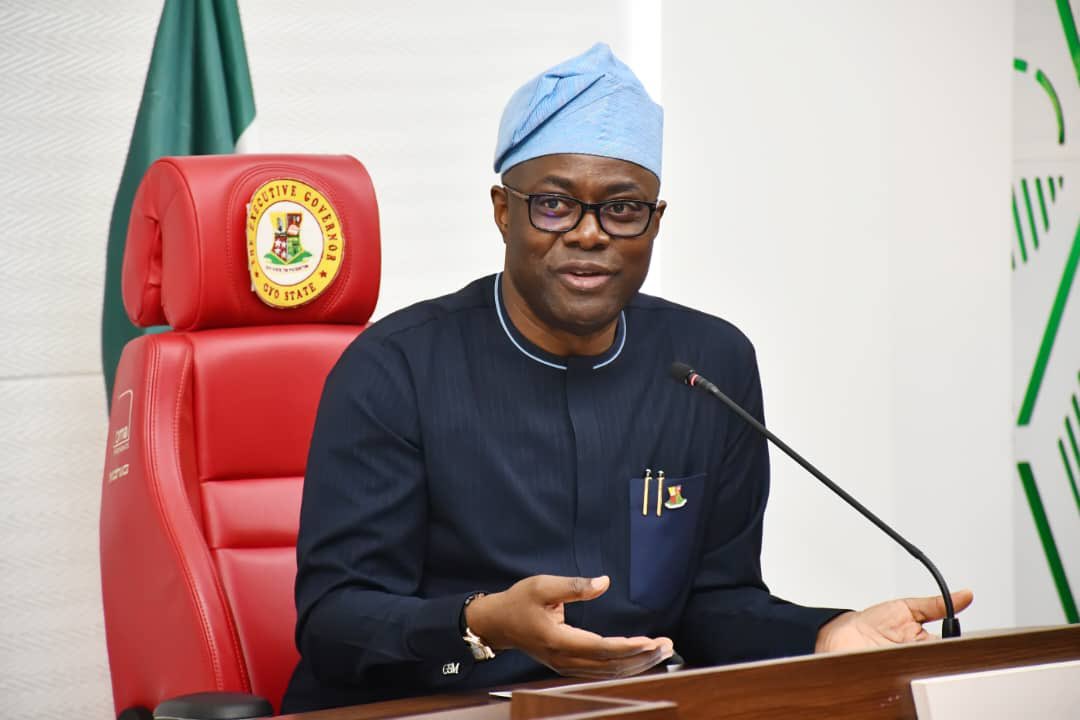
- Oyo State Governor Seyi Makinde has said he will not run for any political office in Nigeria again after the 2027 election, whatever the result. He said he plans to serve only one term if he wins, and that he will also stay out of politics if he loses.
What Makinde Said and Where He Said It
Naija News reports that Mr Makinde, the APM presidential candidate, made the pledge in a statement shared on his X account on Monday, November 23, 2026. It quotes him as saying that if he wins, he will not run again because he plans only one term, and that if he loses, he will not run for any political office again in Nigeria. The News Chronicle says he said the same on The Rooftop, a television programme hosted by Kayode Okikiolu. It also notes that he is serving his second and final constitutional term as governor. The report may reflect more than one appearance.
The Rotation Argument Behind a One-Term Promise
Earlier statements give the reasoning. On November 15, Mr Makinde’s campaign office said he would serve one four-year term if elected. It said Southern Nigeria should complete its eight-year turn in the presidency by 2031, before power returns to the North. In October, at an APM town hall in Yola, Adamawa State, he promised an all-inclusive transitional government of national unity that would not last beyond four years. His campaign says the four years would focus on security, jobs, enterprise and stronger institutions under his Reset Agenda.
The new pledge goes further. It says that if he loses, he will also leave elective politics for good. We have found no report on whether anyone has challenged this, or how he would be held to it.
Earlier Promises, Earlier Proposals and What Happened to Them
Nigeria has heard single-term pledges before. In 2011, President Goodluck Jonathan proposed a single six-year term for presidents and governors and said he would serve only one term. Lawmakers rejected his proposal, and Daily Trust recalled that it failed partly because Nigerians suspected he would use it to stay longer. Mr Jonathan later contested again in 2015. A Sun commentator wrote that his denial of any single-term understanding was one reason he lost. That is an opinion, not an established fact.
Single-term bills have also been repeated and rejected. The Guardian described the proposal as perhaps the most sponsored and rejected bill in Nigeria’s democratic history, killed about six times in 25 years. In June 2026, Senate Leader Opeyemi Bamidele said he planned to sponsor a bill for a single six-year term. Critics warned it could be used to extend incumbents’ stay. Mr Makinde himself called for a single non-renewable term of five or six years in June 2025. Mr Obi, the NDC candidate, has also promised a single four-year term.
Ambition, Zoning Politics and the Pull of Power: Forces Behind Such Pledges
Pledges like this often come from the politics of power rotation. Many Nigerians expect the presidency to move between North and South. A candidate who says he will serve only one term tries to calm fears that he will hold on, and to show respect for that understanding. The same logic can win support from people who worry about long stays in office.
There is also the pull of power itself. An opinion piece in TheCable argued that the weakness of one-term promises is that nothing enforces them. The Constitution lets a president seek a second term. A politician who breaks a promise can point to that right.
What a Binding Pledge Could Mean for the Country’s Politics and Trust
The wider point is trust. Nigerian voters often hear promises that are later dropped. If a candidate keeps a pledge like this, it could help people believe that leaders can follow through. If a candidate breaks it, it may deepen cynicism and deepen tension over zoning, as happened after 2011.
The election matters too. The presidential and National Assembly elections are set for January 16, 2027. Candidates are now competing for attention, and a bold pledge can shape that contest. Voters should treat it as one factor among many.
Voters’ Hopes Against Voters’ Doubts: Weighing the Pledge Fairly
Supporters say a one-term promise keeps a leader focused on results instead of re-election. VOA reported in 2011 that supporters of single-term rules argued it would keep politicians focused on governance, not on getting re-elected. A promise to leave politics entirely, win or lose, is also unusual, and some voters may see it as a sign of sincerity.
Doubters note that pledges are not binding. Others argue that a one-term leader may have less time to deliver, or may lose authority as the term passes. One VOA voice in 2011 warned that a leader with only one term may focus on enriching himself. Both views deserve a hearing. The best way to judge a pledge is to look at the person’s record and plans.
Visiotalks Analysis: How to Judge a Political Promise Before the Vote
Here is a simple five-point test we suggest for any campaign promise.
- Is it specific? A promise with a clear action, number or deadline is easier to check than a general hope.
- Is it within the candidate’s power? Some promises, such as a constitutional change, depend on lawmakers.
- Is there a record? Look at what the candidate has done in office, not only what he says.
- Has it been repeated consistently? Mr Makinde has spoken about single terms since 2025.
- Is there a way to hold the candidate to it? Written pledges, party documents and public commitments are easier to track than speeches.
By this test, the pledge is specific and consistent. But it has no legal enforcement, and the final judgment belongs to the voters.
Here is the reported timeline of his single-term statements:
June 2025: Makinde calls for a single non-renewable term of five or six years.
October 10, 2026: He pledges one term at an APM town hall in Yola.
November 15, 2026: His campaign office says one four-year term, tied to power rotation.
November 23, 2026: He says he will not run for any office again, win or lose.
Frequently Asked Questions
Why does the pledge say “one term” if Makinde is a governor? He is in his second and final term as governor. The pledge refers to the presidency, which he seeks in 2027.
Is a one-term pledge legally binding? No. The Constitution allows a president to seek a second term, so a promise to leave is political, not legal.
Has anyone else made this pledge? Peter Obi has also promised a single four-year term.
What is the “rotation” argument? It is the informal idea that the presidency moves between the North and the South. Makinde says the South should complete eight years by 2031.
Does a pledge predict how a person will govern? Not by itself. Voters should also look at track record, plans and the party’s team.
Practical Ways to Turn Promises Into Commitments
Candidates can put pledges in writing and sign them before the public, with a way for voters to check later. Parties can adopt the pledge in their manifestos. Civil society groups can keep a public record of promises and report on them each year. Voters and journalists can ask follow-up questions, such as what happens if the candidate changes his mind. Lawmakers can also debate constitutional changes openly and avoid proposals that favour incumbents.
A Promise Is Only the First Page of the Story
We note Mr Makinde’s pledge and the reasoning behind it. We also note that other candidates have made similar promises, and that Nigerian history has examples of both kept and broken ones.
We take no side in the contest. We believe voters are best served by checking promises against records and plans, and by asking how a promise will be kept. A leader who leaves office on time makes our democracy stronger. We hope every candidate will give voters clear and honest answers before the votes are cast.