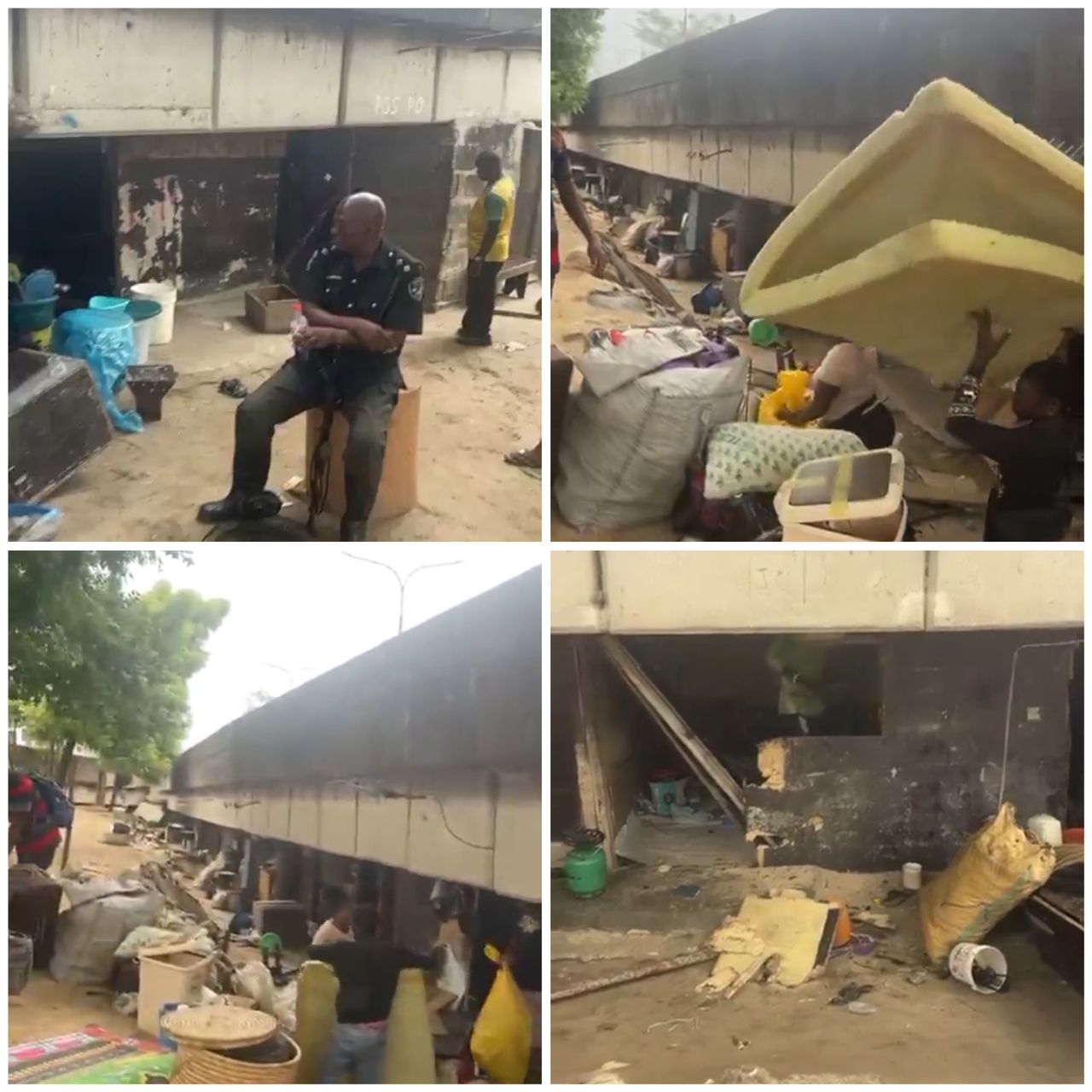
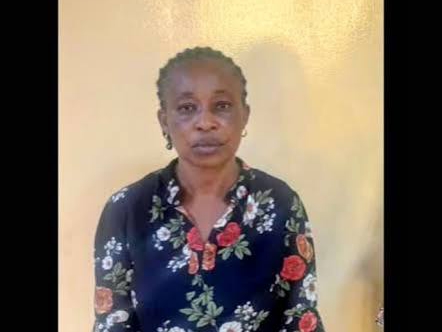
A 53-year-old woman, Nelly Monday, has been sentenced to one month in prison, with no option of a fine, for dumping refuse in a drainage channel in Meiran, Lagos State.
She was arrested on Wednesday, September 9, 2026, after a joint enforcement team made up of the Lagos Waste Management Authority (LAWMA), the Lagos State Environmental Sanitation Corps (KAI), and Mobile Police officers received a tip-off that she was dumping waste into a drain during rainfall. LAWMA’s Managing Director, Dr Muyiwa Gbadegesin, commended the residents who reported her, describing their action as a demonstration of responsible civic duty.
She was arraigned the next day before the Magistrate Court sitting at Bolade, Oshodi, where she pleaded guilty. The court convicted and sentenced her to one month in prison.
A Court That Doesn’t Go Easy: Recent Sentences for Environmental Offences in Lagos
This sentence fits a clear pattern at Lagos’s environmental courts, which have handed down increasingly strict punishments for waste-related offences this year.
In July 2026, the same Oshodi court convicted 16 people arrested at Gbagada Expressway, Anthony Oke, Oworonshoki, and Bariga for illegally dumping waste on road medians and in drainage channels, sentencing each of them to four months in prison. In January 2026, a Lagos magistrate court sentenced 26 street-connected young people to three months in prison as part of a wider enforcement drive to restore public order. In 2024, a man caught trying to remove screws and nuts from the Jibowu Bridge structure was sentenced to four months in prison for attempted vandalism of critical infrastructure.
Taken together, these cases show a Lagos State Government that has moved from warnings and awareness campaigns toward treating environmental offences, including something as seemingly minor as dumping a bag of refuse, as an offence worth real prison time.
The Real Cost of a Clogged Drain: How Waste Dumping Fuels Lagos’s Deadly Floods
Lagos generates roughly 13,000 tonnes of waste every day, and officials say indiscriminate dumping of plastics and other refuse into drains and waterways is one of the biggest single contributors to the city’s flooding. Every bottle, nylon bag, or piece of household refuse that blocks a drain reduces its capacity to carry away stormwater, and during heavy rain that water has nowhere to go but into roads, homes, and businesses.
The human cost of this has been severe in the past. During one major Lagos flood, officials confirmed deaths rising into the dozens, with the then-National Emergency Management Agency director-general explicitly listing blockage of water channels and indiscriminate dumping of refuse among the causes of the disaster, alongside heavy rainfall and building on drainage channels.
Beyond the immediate danger to residents in flood-hit areas, repeated flooding disrupts commerce in Lagos, Nigeria’s commercial capital, damaging property, closing roads and businesses, and contaminating floodwater in ways that raise the risk of disease outbreaks, a burden that ultimately affects the wider Nigerian economy that depends on Lagos functioning smoothly.
Justice or Overreach? The Debate Over Jailing Ordinary Residents for Dumping Waste
Those who support strict penalties like this one argue:
A month in prison, with no option of a fine, sends a clear deterrent message in a city where indiscriminate dumping has repeatedly contributed to deadly flooding.
Awareness campaigns alone have not stopped the practice, despite the government’s repeated warnings to residents over the years.
Treating this as a serious offence, rather than a minor infraction, reflects how serious the consequences of blocked drainage actually are for entire communities.
Those who question this approach argue:
Government infrastructure failures, such as construction debris blocking drainage during projects like airport remodelling, also worsen flooding, yet ordinary residents bear the harshest individual penalties.
Without accessible, well-maintained waste collection in every neighbourhood, some residents may feel they have few alternatives during heavy rain, even though this does not excuse the act.
A month in prison for one person dumping refuse raises questions of proportionality compared to how larger, systemic contributors to flooding, like unauthorised building on waterways, are handled.
Beyond Prison Sentences: What Could Actually Stop the Dumping
Officials themselves acknowledge that government action alone will not solve Lagos’s flooding problem, and that responsible waste disposal by residents is just as necessary as infrastructure investment. That suggests punishment needs to be paired with practical solutions, not treated as the whole answer.
Expanding reliable, affordable waste collection in flood-prone, lower-income neighbourhoods would remove one common excuse for dumping directly into drains. Continued investment in dredging and desilting primary channels, which the state approved for 28 more channels after the floods of June 2026, also matters, since well-maintained drains can handle far more waste before they become dangerous. Sustained, visible enforcement, rather than occasional high-profile arrests, would also help convince residents that consequences are consistent and not just symbolic.
Our View on Punishing Small Acts With Big Consequences
We understand why Lagos is taking a hard line here. A single bag of refuse thrown into a drain seems small in the moment, but multiplied across a city of over 13,000 tonnes of daily waste, it becomes a genuine threat to lives and property when the rains come.
Still, we think a month in prison for one woman raises a fair question about consistency. If ordinary residents face jail time for blocking a drain with household refuse, government agencies and developers whose projects and unauthorised structures also obstruct drainage should face consequences that are just as visible and just as certain. Lagos will not solve its flooding crisis by punishing individuals alone; it needs enforcement that treats every contributor to blocked drains, not just the easiest ones to catch, with the same seriousness.
Published by Ejoh Caleb