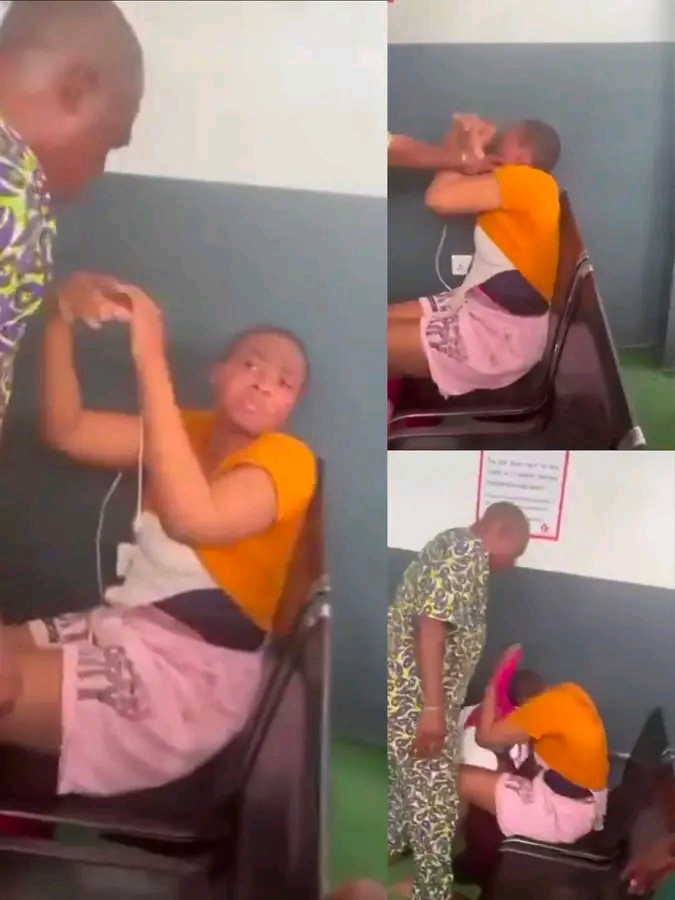

Police in Kano State have arrested a 25-year-old woman, Maimunatu Idris, after she allegedly attacked her boyfriend with a knife and severed his genitals inside a hotel room, in an incident that has shocked many people across the country.
According to the police, the incident happened at Durbar Hotel in the Badawa area of Kano on Monday, July 27, 2026, at about 12:50 p.m. The Police Public Relations Officer for the command, CSP Abdullahi Haruna Kiyawa, said the suspect attacked her boyfriend after discovering that he intended to marry another woman.
Hotel management alerted the police, who deployed detectives to the scene. The suspect was arrested, and the knife used in the attack was recovered as evidence. The injured man was rushed to Abubakar Imam Urology Hospital, where he is currently receiving treatment, and investigations are ongoing.
The Commissioner of Police in Kano State, Ibrahim Adamu Bakori, condemned the attack and warned members of the public against taking the law into their own hands, stressing that only the police have the constitutional authority to investigate crimes and pursue justice.
This is not the first case of its kind in Nigeria
Attacks like this have happened before in different parts of the country, often following disputes over relationships or marriage:
In May 2025, a 43-year-old woman was arrested in Port Harcourt, Rivers State, after allegedly biting off the tip of her boyfriend’s penis during an argument.
In October 2024, a 28-year-old woman was arrested in Ogun State for allegedly using a sharp object to cut her husband’s genitals during a domestic quarrel.
In June 2024, a newlywed woman in Kaduna State allegedly attempted a similar attack on her husband before neighbours stepped in and stopped her.
The pattern shows that these are not one-off incidents, but a recurring form of extreme violence tied to relationship conflict.
Why relationship disputes sometimes turn this violent (the root causes)
Deep emotional betrayal. Learning that a partner plans to marry someone else, especially after a long relationship, can trigger intense feelings of humiliation and loss that some people struggle to control.
Limited access to counselling or mediation. Many Nigerians have no easy access to relationship counselling or dispute resolution before a conflict escalates.
Weak social support systems. Friends, family, or community structures that might otherwise step in to calm a volatile situation are not always present or effective.
Normalised acceptance of violence in conflict. In some cases, using physical force to “settle a score” is seen, wrongly, as an understandable response to betrayal.
How this affects people, and Nigeria as a country
For the victim in a case like this, the physical harm can be permanent and life-altering, on top of the emotional trauma of being attacked by someone they were in a relationship with. For the accused, an act of momentary rage can lead to years in prison and a ruined future.
At the national level, cases like this feed into a wider, troubling picture of relationship-related violence in Nigeria, spanning both men and women as victims. When such stories go viral, they can shape how Nigerians view trust and safety in relationships, and they add to international perceptions of insecurity in the country, which can affect everything from tourism to how Nigerians are viewed abroad.
What can be done (possible solutions)
Wider access to counselling services, including affordable or free relationship and mental health support, especially in cases involving betrayal or breakups.
Community-based conflict resolution, where trusted local mediators can step in before disputes escalate to violence.
Public awareness campaigns that clearly frame relationship violence, by anyone against anyone, as a crime rather than a private matter.
Faster, victim-centred medical and legal support for survivors of relationship violence, so they can access treatment and justice without added trauma.
Our thoughts
What happened in that Kano hotel room is a tragedy for both people involved — one left with a life-changing injury, the other now facing serious criminal charges over a moment of rage. Betrayal and heartbreak are painful, but they should never be answered with violence. Cases like this, repeating every few months in different states, tell us that Nigeria needs to talk more openly about how people process anger and rejection in relationships, before another life is changed forever in a moment nobody can take back.
Published by Ejoh Caleb