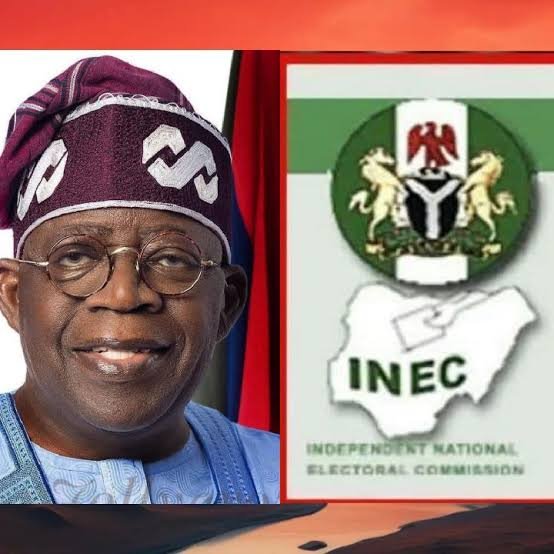
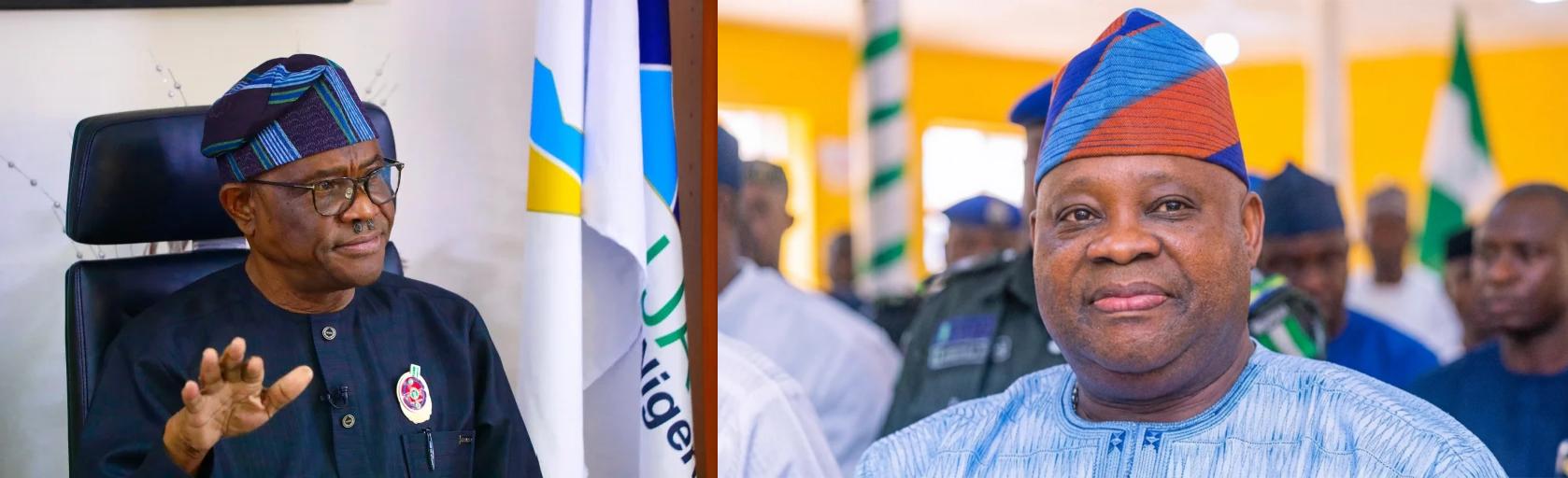
The Minister of the Federal Capital Territory (FCT), Nyesom Wike, has claimed that President Bola Tinubu could have secured victory for the All Progressives Congress (APC) in the recent Osun State governorship election if he had wanted it “at all costs.” Wike, who remains a member of the opposition Peoples Democratic Party (PDP) despite openly supporting Tinubu, made the comments on Tuesday while inspecting flood-prone areas in Maitama, Abuja.
“If the President had wanted to win the Osun State election at all costs, I would have been there and we would have won it, and there’s nothing the governor can do,” Wike said. Governor Ademola Adeleke of the Accord Party was declared winner of the August 15 election, having won in 19 of the state’s 30 local government areas against APC candidate Bola Oyebamiji, who won 11.
Wike insisted that the federal government deliberately stayed out of the contest. “There was no federal might used in Osun. When you see the force and might of the federal government, you will know,” he said. He also suggested that Governor Adeleke could have ended up in the APC “if things had worked out well” within the party.
What “Federal Might” Means, and Why Osun Is Not the First Time It Has Come Up
Wike’s comments revive a phrase that has followed Nigerian elections for years: “federal might” — the idea that a sitting president can use the resources, security agencies, and political weight of the federal government to sway a state election in favour of the ruling party.
The clearest past example is the 2014 Ekiti State governorship election, which was widely described at the time as a “proxy war” between then-President Goodluck Jonathan and the sitting governor, with commentators saying the federal government’s influence was deployed to help the PDP’s candidate, Ayo Fayose. Fayose, of the PDP, won that election, defeating incumbent APC governor Kayode Fayemi. Even then, researchers noted that voters in some areas still rejected the ruling party’s preferred outcome despite the alleged use of federal influence, showing that “federal might” does not always guarantee a win.
Wike’s framing of Osun echoes that same idea — that federal involvement, not just the candidates or the voters, can decide who wins a state election. It is a claim opposition figures have made against ruling parties for years, and one Wike himself now makes openly as a member of a rival party working with the government in power.
Why the Ruling Party Would Choose Not to “Win at All Costs” — and What It Means for Nigerians
Wike’s explanation for the APC’s Osun loss points to a deliberate federal decision to let the contest run its course rather than any weakness of the APC as a party. Some reports from before the election also suggested that people close to the presidency were not desperate to win Osun “at all costs,” lending some support to Wike’s account.
If Wike’s claim is accurate, the effect is double-edged. On one hand, it suggests the federal government allowed the Independent National Electoral Commission (INEC — Nigeria’s election management body) to conduct a genuinely contested election in Osun, which is the outcome Nigerians and international observers usually demand. On the other hand, the claim itself — that the government could simply choose to win “and there’s nothing the governor can do” — raises uncomfortable questions about how much control the federal government believes it has over state-level elections generally. If a ruling party can decide the outcome of an election whenever it wants to, that undermines the basic idea that elections are decided by voters, not by how badly the government in power wants to win.
For the country as a whole, comments like this can shape public trust in the electoral system in either direction. Nigerians who see Osun as proof that INEC can conduct free elections may feel reassured. But those who take Wike’s comments at face value may instead conclude that other elections — past or future — were only won or lost because of how much “federal might” a ruling party chose to apply, rather than because of the will of voters. That perception, whether or not it reflects reality, makes it harder to convince Nigerians that every election, including the 2027 presidential contest, will be decided fairly.
How Nigeria Can Reduce Doubts Over “Federal Might” in Future Elections
Election analysts who have studied cases like the 2014 Ekiti poll have pointed to the same lesson: heavy federal involvement in state elections, whether real or only alleged, damages confidence in the process no matter which party benefits from it. Reducing that doubt starts with INEC and security agencies being seen to act independently of whichever party controls the federal government, in every election, not just the ones that attract national attention.
It would also help if political office holders like Wike were more careful with comments that suggest elections can be won or lost purely by federal will. Whether meant as boastful politics or literal truth, such statements make it harder for INEC to convince Nigerians that results reflect their votes rather than the government’s mood on any given election day.
Behind the Boast
We think Wike’s comment tells Nigerians less about Osun and more about how casually senior politicians talk about federal power over elections. Whether or not the APC could truly have won “at all costs,” the fact that a sitting minister can say so without controversy shows how normalised the idea of “federal might” has become in Nigerian politics. For a democracy trying to convince its citizens that every vote counts, that kind of talk does real damage — even when it comes from someone praising, rather than accusing, the government of restraint.
Published by Ejoh Caleb