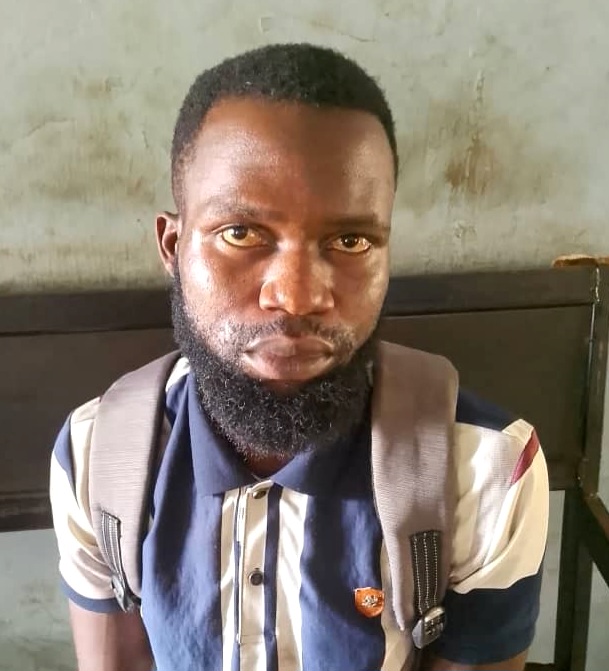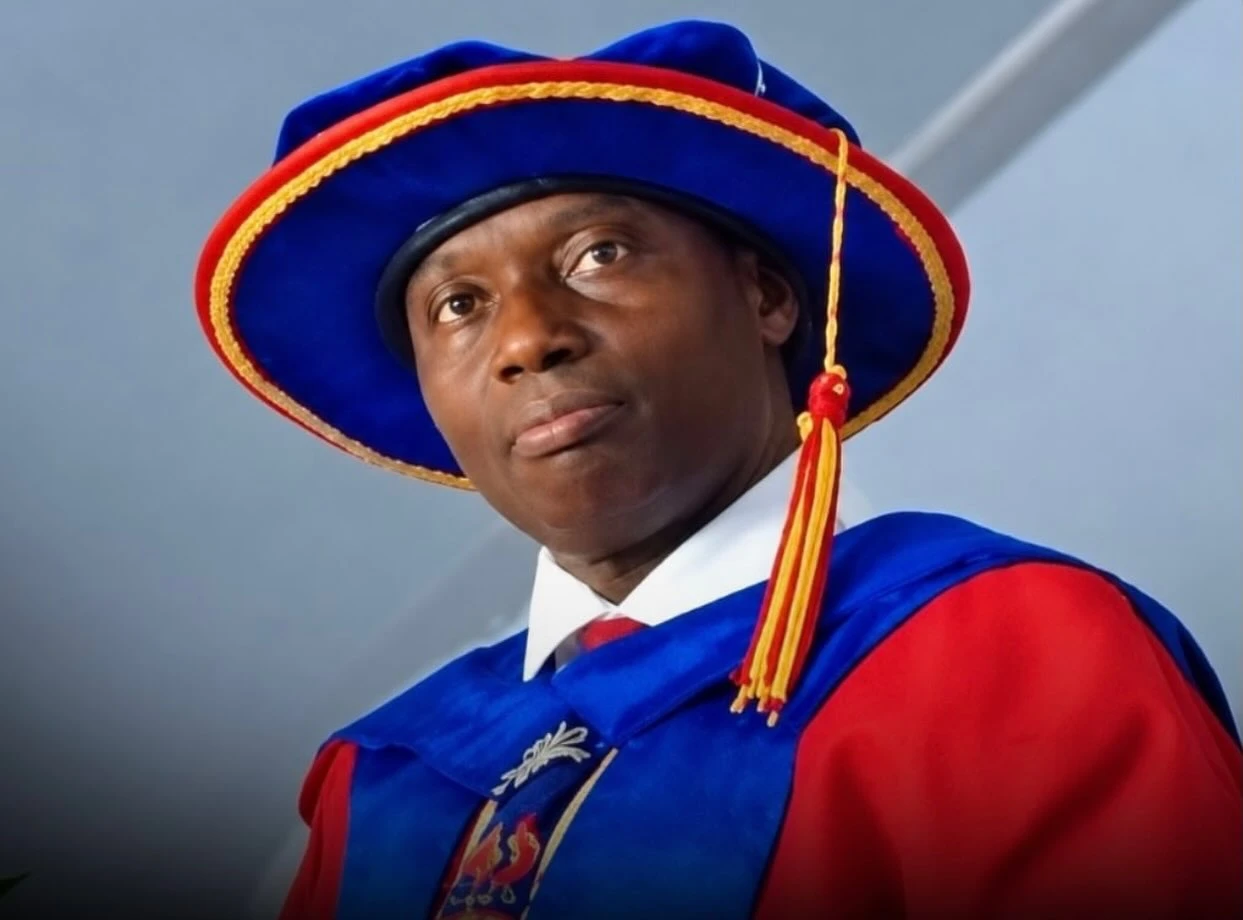
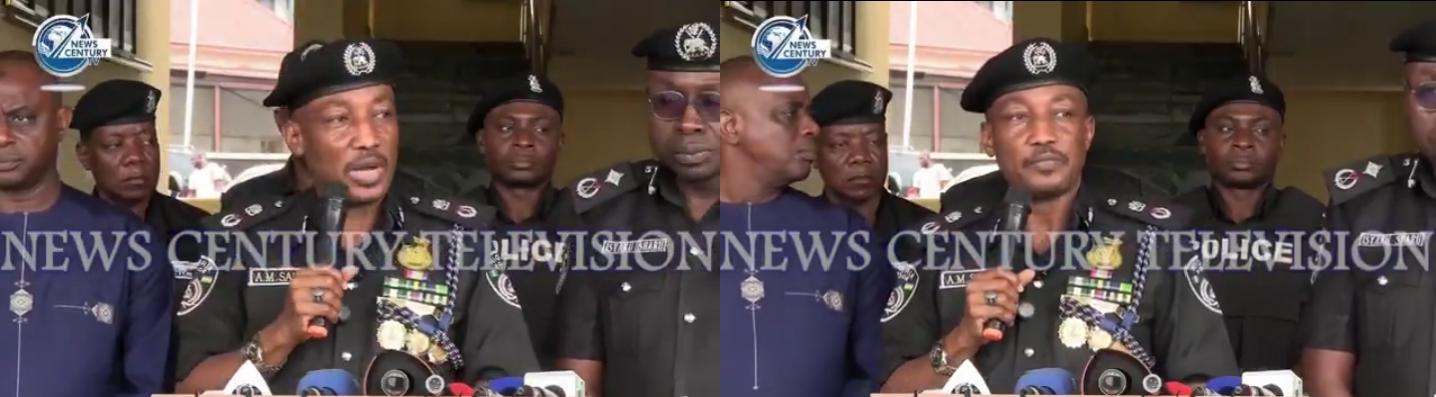
Four police officers are in custody in Abuja after allegedly extorting ₦53,000 (about $35) from Dr. Musa Aliyu (SAN), Chairman of the Independent Corrupt Practices and Other Related Offences Commission (ICPC) — Nigeria’s top anti-corruption agency. The Commissioner of Police for the Federal Capital Territory (FCT), CP Ahmed Sanusi, disclosed the arrests on Monday while briefing journalists in Abuja, calling the officers “thieves” who have no business wearing a police uniform.
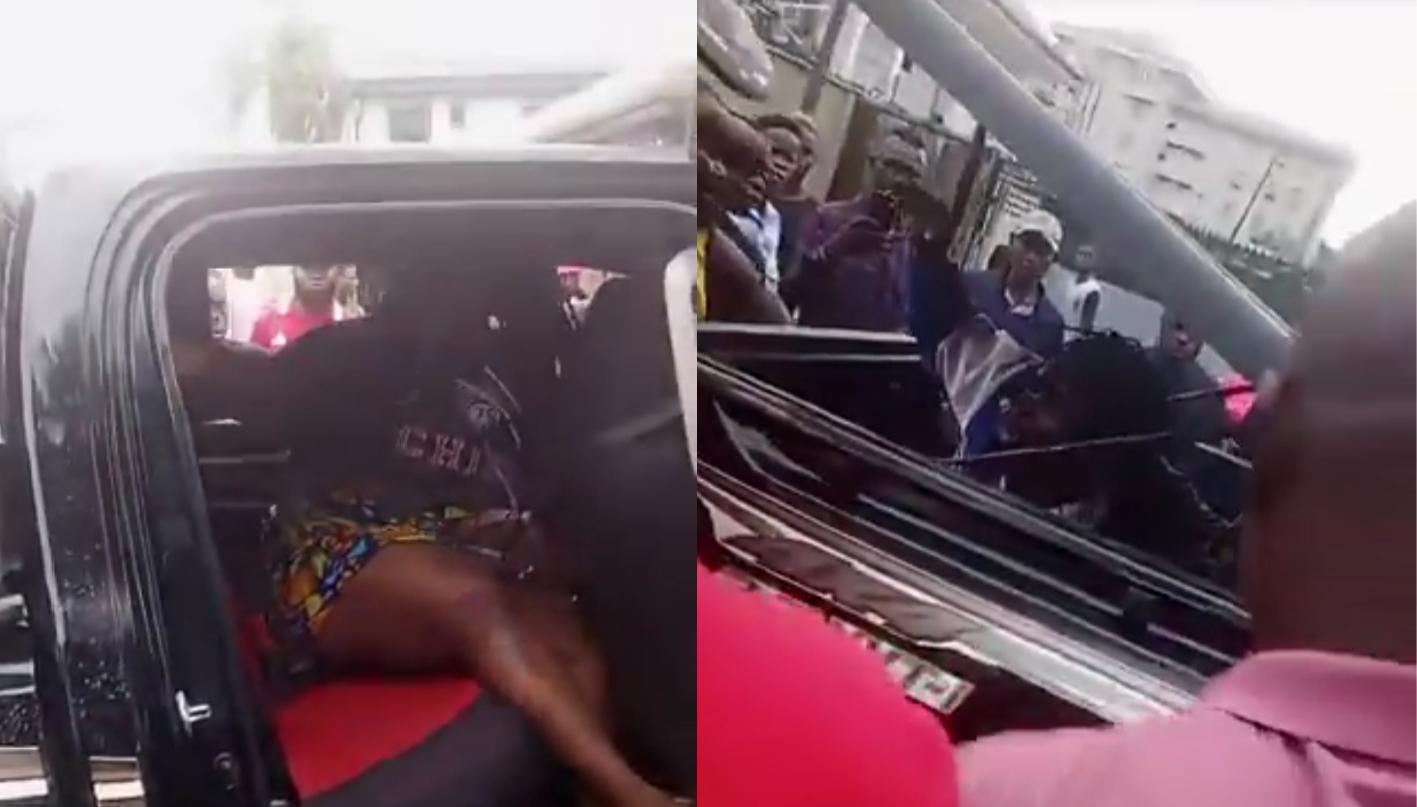
According to Sanusi, the officers had abandoned their assigned duty posts and gathered at an unauthorised checkpoint around the Banex area of Wuse, where they had reportedly been extorting motorists before stopping Aliyu — without realising who he was. He said the officers forced Aliyu to withdraw the money through a Point of Sale (POS) machine, a card-swiping device used for cash withdrawals outside a bank, and even made him cover the transaction fee, before sharing the money among themselves.
Sanusi said the arrest of the gang’s alleged leader led detectives to the remaining three officers, and that all four are now facing an orderly room trial — the internal disciplinary process the police use before deciding whether to dismiss an officer. He said those found culpable would be severely punished.
Background: Illegal Checkpoints Are a Recurring Problem, Not a One-Off
This is far from an isolated case. Illegal checkpoints — stop-and-search points set up without official approval — have repeatedly made headlines in Nigeria.
In May 2025, a viral video showed a police officer at a checkpoint on the Benin Bypass in Edo State demanding five litres of fuel or ₦5,000 from motorists, even though the Inspector-General of Police had already suspended the vehicle-registration enforcement the officer claimed to be checking for. The Inspector-General ordered the officers involved to be disciplined.
In May 2026, a Nigerian content creator known as MC Okrika filmed himself confronting officers at an unofficial checkpoint in Ikom, accusing them of extorting ₦150,000 from a motorcyclist who worked as a farmer.
The problem isn’t confined to single incidents either. In March 2026, a rights group, the Foundation for Environmental Rights, Advocacy and Development (FENRAD), alleged that security checkpoints across Nigeria’s South-East region were extorting citizens of an estimated ₦1.3 trillion, with motorists paying between ₦100 and ₦5,000 at each stop depending on the vehicle and the officer’s discretion.
Nigerians have also used X (formerly Twitter) to describe repeated extortion on long highway trips, with one traveller describing money being paid at nearly every checkpoint between the Federal Capital Territory and the South-East, and another recounting an elderly driver being slapped by an officer after protesting a ₦100 demand.
Why This Keeps Happening, and Who It Affects
Why it happens: Weak internal supervision. Officers were able to abandon their assigned posts and set up an unofficial checkpoint elsewhere without being stopped by their own command until after the extortion occurred.
Why it happens: Ordinary Nigerians rarely push back. Motorists stopped at illegal checkpoints often pay rather than risk confrontation with armed officers, which is part of why this kind of extortion continues — the officers involved here were only caught because they unknowingly targeted a powerful figure.
Effect on public trust in the police. If a man whose entire job is fighting corruption can be extorted by the police, it raises hard questions about how often this happens to ordinary citizens who have no way to get justice or public attention.
Effect on Nigeria’s anti-corruption fight. The ICPC exists to investigate and prosecute corruption. An incident like this, involving its own chairman, becomes a symbol — fairly or not — of how deeply extortion runs, even reaching the people meant to be fighting it.
Effect on Nigeria’s international image. Cases like this feed into how Nigeria’s police force is already widely seen abroad — as an institution associated with bribery and checkpoint extortion — complicating efforts to attract investment and improve the country’s global standing.
What Could Help
Real-time tracking of officer deployment, so command centres know immediately when officers leave assigned posts to set up unauthorised checkpoints.
A simple, trusted reporting channel for extortion victims — Sanusi himself urged the public to call police emergency lines when stopped improperly, but many Nigerians don’t trust that such reports lead anywhere.
Visible follow-through on discipline, publicly showing when officers are actually dismissed or prosecuted, not just detained.
Independent oversight of checkpoints, ensuring stop-and-search points are authorised and monitored, not left to individual officers’ discretion.
My Thoughts
There’s something almost fitting, in a grim way, about corrupt officers unknowingly picking the one man in Nigeria whose job is to expose corruption. It got attention precisely because of who the victim was — but that’s exactly the problem. If this hadn’t been the ICPC chairman, would we even be talking about it? I’d like to see this case become a genuine turning point, not just another story that fades once the officers face internal discipline. Real accountability would mean Nigerians without Aliyu’s title get the same response when they report the same crime.
Published by Ejoh Caleb