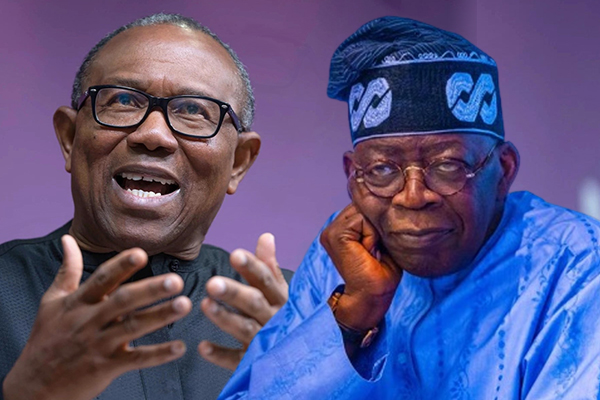
NDC presidential candidate Peter Obi has said the Tinubu government borrowed $100 billion in three years without delivering meaningful results. He said repayment would fall on “our future children”, because some loans fall due between 2040 and 2050. He also told voters not to back him simply because he is an Igbo man, and said he is more qualified than the other two major candidates.
The remarks combine a debt argument with a plea about identity. We examine both, using the figures that are publicly available.
Checking the “$100 Billion” Claim Against the Record (Debt Stock Means the Total Amount a Government Owes at a Given Time)
Obi has repeated this figure in recent weeks. At a town hall in Enugu, he said Tinubu must account for the “nearly $100 billion he borrowed”. In Yenagoa he said “nobody knows what he did with the money”.
The DMO’s published figures do not match. Pen Agency News reported that total public debt stood at ₦166.79 trillion, or $120.93 billion, on June 30, 2026, up from $113.42 billion in June 2023. That is an increase of about $7.5 billion in dollar terms. External debt rose from $43.16 billion to $54.52 billion over the same period.
Obi’s own party made a narrower claim, that external debt rose by $11.36 billion, or 26.3 per cent, between June 2023 and June 2026. That is a very different figure from $100 billion. It is possible the candidate counts gross borrowing before repayments, but we have seen no breakdown that supports a $100 billion total.
The Presidency’s Reply and the Role of the Naira (Devaluation Means a Fall in the Value of a Currency)
The Presidency has rejected similar claims. In June, Special Assistant Dada Olusegun said the debt increase over three years was not mainly new borrowing but the effect of currency devaluation, which Obi had also promised to carry out. He said Nigeria’s dollar debt rose only slightly, from about $108 billion to $109 billion.
The government also points to about ₦20 trillion in “ways and means” overdrafts that were converted into regular debt. A Guardian analysis found that Tinubu’s external debt rose by about $9.4 billion between May 2023 and December 2025, with much of the naira jump due to the exchange rate change.
The Presidency’s figures differ slightly from the DMO’s ($108 billion versus $113 billion in 2023), so the exact numbers should be checked. But on the main point, both the government and published DMO figures point away from a $100 billion increase.
What Obi Gets Right: The Question of Results and Repayment (Repayment Schedule Means the Dates When a Loan Must Be Paid Back)
Obi’s wider point does not depend on the $100 billion figure. A government that borrows should show what the money bought. Debt rose by about ₦79 trillion in naira terms in three years, even if much of it reflects the exchange rate.
Analysts have also warned about repayment pressure. When the government sought approval for earlier loans, a securities-firm executive said the level of revenue going to debt service gave serious concern. The Finance Minister has argued the opposite, saying the debt-service burden is falling. We have not seen evidence on the 2040 to 2050 repayment dates, so we cannot confirm that part of Obi’s statement. Long-dated loans can spread costs over time, but they also place payments on later governments.
“Do Not Vote for Me Because I Am Igbo”: What the Appeal Means (Ethnic Voting Means Choosing a Candidate Because of Shared Origin)
Obi repeated this message in Enugu, saying he wants votes because he is “the most qualified”. Many see it as an effort to appeal beyond the South-East, which gave him strong backing in 2023.
There are arguments on both sides. Supporters say asking voters to judge competence is healthy, and it shows confidence in policy over identity. Critics may respond that identity shapes Nigerian politics whether candidates acknowledge it or not, and that a candidate who downplays it still benefits from it. Obi’s claim to be “more qualified” than the other two major candidates is his own opinion. Voters will test it against his record, including his time as Anambra governor.
Borrowing Fights Are Not New: Earlier Rounds in This Campaign
This is part of a long exchange. In June, Obi challenged the government to account for its debt, and the Presidency said the increase was mostly the effect of devaluation. Obi has also claimed that Tinubu borrowed more than three earlier presidents combined. A Tribune report said there was no data available to support or refute that claim.
More recently, Obi and Oyo State Governor Seyi Makinde both questioned the case for a $21.7 billion borrowing plan. Each round has followed the same pattern, in which the opposition attacks borrowing and the government answers with exchange-rate and reform arguments.
Why Debt Claims Travel So Far: Simple Numbers, Real Worries and Hard-to-Check Data
A round figure like $100 billion is easy to remember. It also taps into a real worry about whether public money is delivering results. Debt data, by contrast, is complicated. It mixes domestic and foreign loans, old overdrafts converted into bonds, and changes in the naira’s value.
That complexity makes exaggeration easier on every side. Government spokesmen can use dollar figures that look stable, while critics use naira figures that look huge. Voters are left to decide whom to trust, often without a clear explanation of how each number is built.
What Is at Stake for the Country: Accuracy, Trust and the Quality of the Debate
If voters are told debt has risen by an amount that the official figures do not show, they may lose trust in the claim and in the wider critique. If they are told that nothing is wrong because dollar debt is stable, they may ignore real concerns about repayment and results.
The nation also has a stake in how debt is used. A loan that builds power plants and roads can help growth. A loan that covers running costs adds a burden without a return. Future generations, as Obi says, will carry whichever bill is left.
Raising the Quality of the Debate: Publish the Numbers and Check the Claims
The Debt Management Office can publish simple, regular reports that separate new loans, repayments and the effect of exchange rates. The government can publish a project-by-project list of what borrowed money has paid for. Candidates can show how they calculated figures like “$100 billion” and publish repayment schedules for the loans they criticise.
Journalists and civil groups can keep checking claims on all sides, as we have tried to do here. Voters can ask each candidate for the source of every figure they use.
Debt, Duty and the Vote: Our Reading of Obi’s Appeal
We take no side between Mr Obi and the government. He is right that voters should ask what borrowed money has built. He should also give a source for the $100 billion figure, since the DMO data we found do not support it, and he should show the repayment dates he cites.
The government, for its part, owes Nigerians more than reassurance about exchange rates. It should list the projects its loans have paid for and show the repayment burden.
On the question of identity, we welcome any candidate who asks voters to judge competence. We also believe voters decide for themselves. What Nigerians need is facts they can check, from every camp, before they choose.
Published by Ejoh Caleb