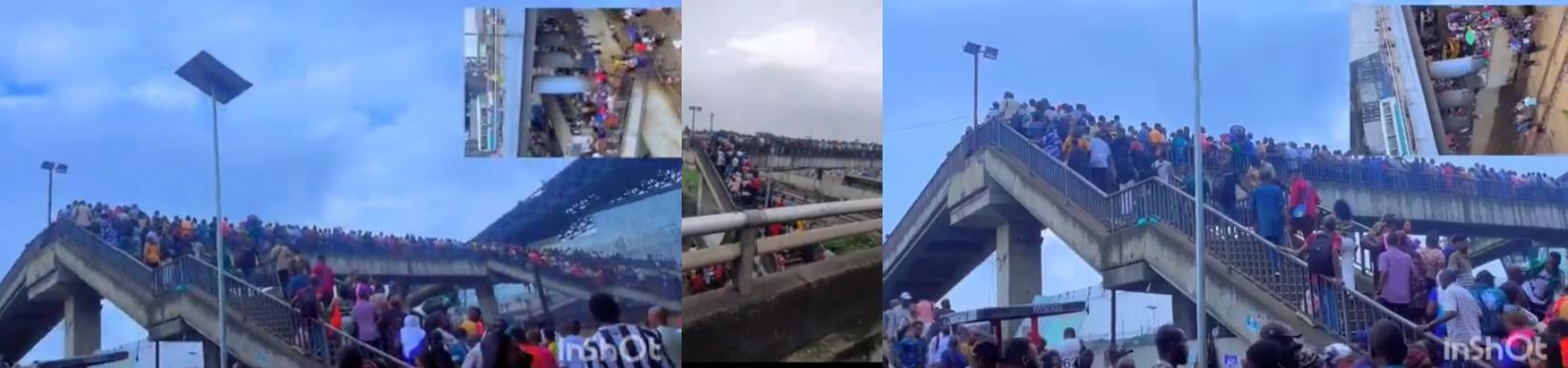

A disagreement between a scrap picker and a member of the public turned violent in Benin City, Edo State, after the scrap picker was allegedly stabbed with a pen during an argument. The incident quickly escalated into a mass brawl involving other scrap pickers and a crowd of youths in the area.
According to eyewitness accounts captured on video, the disagreement began between the scrap picker and another individual. During the argument, the individual reportedly pulled a pen from his pocket and stabbed the scrap picker. Other scrap pickers in the area, along with a crowd of youths, then got drawn into the resulting fight.
Background: A Recurring Source of Tension
Clashes involving scrap pickers, often called scavengers, and local youths or traders have become a recurring problem in Nigerian cities in recent months. In July 2026, a violent clash broke out in the Ojoo area of Ibadan, Oyo State, after a tricycle rider was allegedly stabbed to death by suspected scrap collectors during a dispute. The violence that followed left four people dead, including a young boy struck by a stray bullet, and forced businesses in the area to shut down for days.
Just days before that, another clash in the same Ojoo area left one person, an unidentified woman who was stabbed while trying to intervene, feared dead.
Benin City itself has also seen tension around scrap dealing before, though usually tied to different causes. Earlier in 2026, the Edo State Government arrested six scavengers accused of vandalising public infrastructure, including schools, and gave scrap dealers living along the Lagos Street moat a 21-day notice to relocate. Residents in the city have also publicly complained about scavengers’ activities, describing some of their operations as criminal.
Why These Clashes Keep Happening
Several factors feed into these repeated confrontations. Scrap picking is often carried out by people with little formal protection or standing in the communities where they work, which can make disputes with local youths, traders, or residents escalate quickly once tempers are lost. Weapons like knives, sticks, and improvised tools like pens or metal rods are common on the streets, meaning ordinary arguments can turn deadly within minutes. Reprisal attacks, as seen in past Benin and Ibadan clashes, also tend to draw in far more people than were originally involved in the dispute, turning a single altercation into a community-wide brawl.
How This Affects Nigeria
These recurring clashes carry a cost beyond the immediate injuries. Businesses in affected areas are often forced to shut down during and after such incidents, as seen in Ibadan, disrupting local economies. Repeated violence tied to scrap picking and vandalism also damages relations between different groups in host communities, occasionally taking on ethnic undertones, as happened in earlier Benin clashes involving northern traders. At a national level, these incidents highlight gaps in how informal labour like scrap collection is regulated and how quickly local security agencies can respond before disputes spiral into wider violence.
Possible Solutions
Community leaders and scrap dealer associations could play a stronger role in resolving individual disputes before they escalate, as has happened in past peace meetings following similar clashes elsewhere in Nigeria. Faster police response to reports of fights in progress would help prevent isolated incidents from drawing in larger crowds. Local governments could also consider formal registration and oversight of scrap collection activities, which may reduce both the friction that leads to these disputes and the vandalism complaints that have separately strained relations between scavengers and Benin City residents.
Looking Beyond the Headline
What starts as a disagreement between two people should not have to end in a citywide brawl. Yet this keeps happening across Nigeria, from Ibadan to Benin City, because small disputes are left to fester instead of being resolved calmly and quickly. Until there is better structure around how these disagreements are handled, whether through community mediation or quicker security intervention, ordinary arguments will keep carrying the risk of turning into something far worse.
Published by Ejoh Caleb